Key Takeaways
- The Iran-Israel conflict is moving crypto market prices down 3-4% across major digital assets
- Bitcoin fell from $74,000 to $68,000 as Middle East tensions escalated throughout the week
- Oil rallied sharply on supply concerns while stocks and cryptocurrencies sold off simultaneously
- About 43% of Bitcoin supply now trades below cost basis according to on-chain metrics
- Rising stablecoin reserves suggest investors are waiting on the sidelines rather than fully exiting
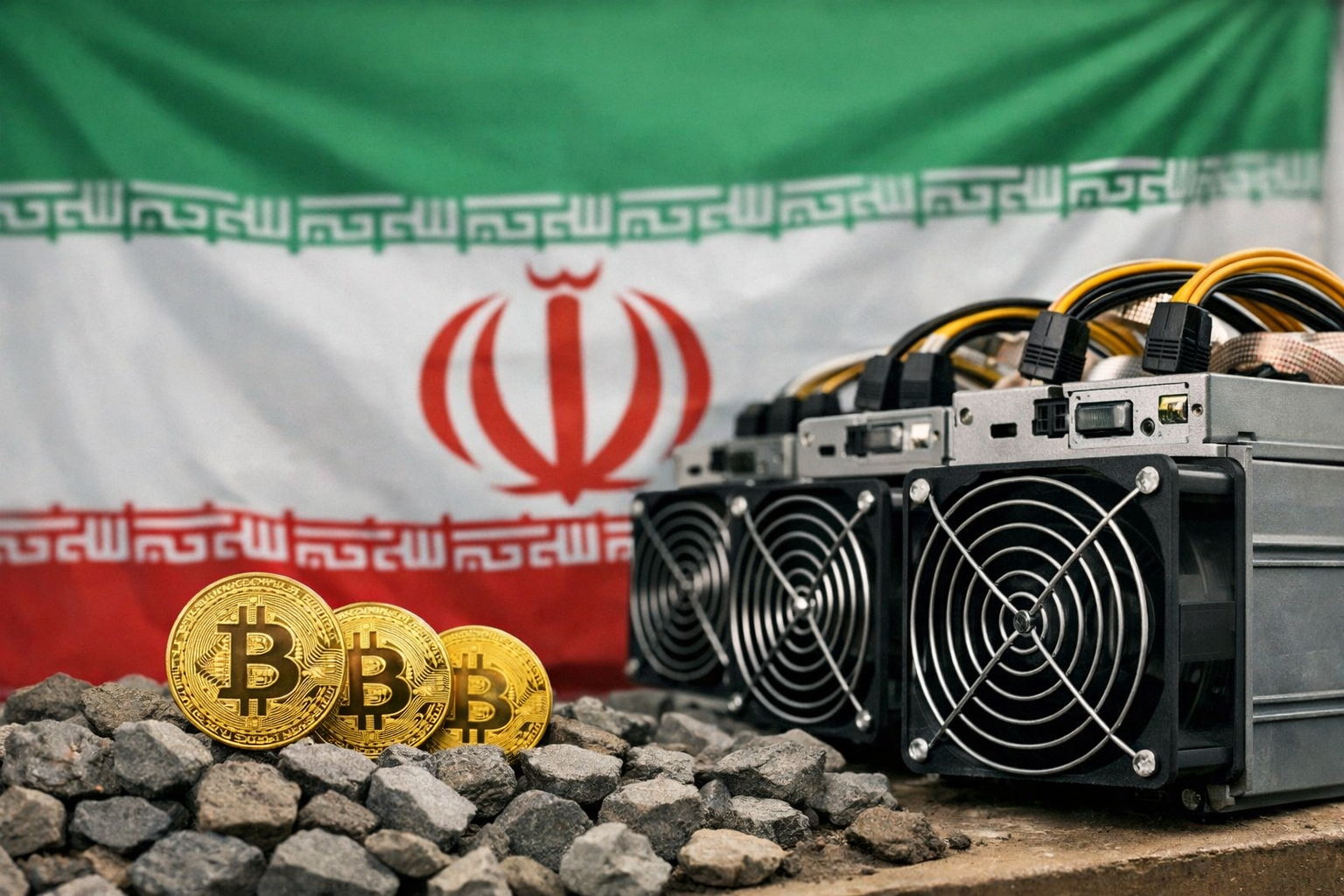
The escalating Iran-Israel conflict is moving the crypto market into a sharp downturn as geopolitical tensions override bullish momentum from institutional adoption. Bitcoin fell below $68,000 on March 6, 2026, while major altcoins posted steeper losses following President Trump’s rejection of diplomatic negotiations with Iran.
The cryptocurrency market demonstrated its persistent correlation with traditional risk assets during the selloff. Ethereum dropped 4.4% and Solana declined 4% as investors rotated capital toward safe-haven assets. Oil prices surged while the U.S. dollar posted its steepest weekly gain in a year.
How Is the Iran-Israel Conflict Moving Crypto Market Behavior?
The military standoff between Iran and Israel created immediate pressure across digital asset markets. The impact rippled through cryptocurrencies in ways that reveal how modern markets process geopolitical risk.
President Trump’s March 5 statement demanding Iran’s unconditional surrender removed hopes for diplomatic resolution. This raised the possibility of broader regional conflict and created uncertainty about global economic stability. Bitcoin’s reaction mirrored movements in equity markets as U.S. stocks turned sharply lower.
The correlation between cryptocurrencies and technology stocks became particularly evident during the selloff. Here’s how the timing amplified market impact:
- News broke on Thursday evening, creating volatility heading into the weekend
- Exchange order books showed reduced depth as institutional participants reduced exposure
- Smaller sell orders created outsized price movements when liquidity thins significantly
- Weekend trading typically sees lower institutional participation and higher volatility
Federal Reserve policy expectations shifted alongside the geopolitical developments. Markets had been pricing in potential rate cuts later in 2026. The combination of oil price spikes and dollar strength pushed those expectations further out. Higher interest rates and a stronger dollar both create headwinds for speculative assets.
What Do On-Chain Metrics Reveal About Market Vulnerability?
Blockchain data exposes specific vulnerabilities that explain why the Iran-Israel conflict is moving the crypto market so dramatically. These metrics provide insight into holder psychology and potential selling pressure.
Unrealized Loss Concentration
Glassnode reports that approximately 43% of Bitcoin supply currently sits at a loss. This concentration of underwater positions creates technical resistance at higher price levels. Holders who bought near the recent $74,000 peak face mounting pressure to exit positions during any relief rallies.
The distribution of cost basis matters significantly during volatile periods. Short-term holders who entered positions recently show lower conviction than long-term holders. This cohort typically sells first when geopolitical uncertainty rises, creating cascading liquidations that accelerate downward moves.
Exchange Flow Patterns
Net flows to exchanges increased during the March selloff, signaling preparation for sales. Investors typically move cryptocurrency to exchanges when preparing to sell. Withdrawals to self-custodial wallets signal accumulation. The reversal from withdrawal trends earlier in the year demonstrates shifting sentiment.
Stablecoin reserves on exchanges paint a more nuanced picture of market positioning:
- Balances of USDT and USDC have increased significantly in recent weeks
- This represents capital that exited volatile positions but remains in crypto
- Dry powder could support prices if tensions ease
- Same capital can convert to fiat if fear intensifies further
Why Do Cryptocurrencies Trade Like Risk Assets During Conflicts?
The Iran-Israel conflict is moving the crypto market because digital assets behave as risk-on investments rather than safe havens during geopolitical stress. This classification has strengthened as institutional participation increased.
Correlation With Equity Markets
Bitcoin’s correlation with the Nasdaq has intensified over recent quarters. Both assets tend to decline when uncertainty rises and when interest rate expectations shift higher. Professional investors managing diversified portfolios treat cryptocurrencies as growth-oriented allocations similar to technology stocks.
The selloff pattern mirrors previous geopolitical events. During the February 2022 Russia-Ukraine conflict, Bitcoin fell from $44,000 to $34,000 in the weeks surrounding the invasion. Similar reactions occurred during other regional conflicts as investors prioritized capital preservation.
Safe Haven Asset Performance
Traditional crisis assets behaved differently than cryptocurrencies during the March tensions. The divergence reinforces Bitcoin’s risk classification:
- Gold maintained stability while serving as a store of value
- Oil surged on supply disruption concerns related to Middle East production
- The U.S. dollar strengthened as investors sought safety
- Bitcoin and altcoins declined alongside stocks and other growth assets
The greenback’s steepest weekly gain in a year created additional headwinds beyond the direct geopolitical impact. A rising dollar typically pressures Bitcoin and other cryptocurrencies priced in dollars.
What Trading Patterns Emerge During Geopolitical Volatility?
Market participants adjust strategies distinctly when the Iran-Israel conflict is moving the crypto market. Understanding these patterns helps explain price action and potential future movements.
Professional traders reduce leverage during uncertainty. Open interest on crypto derivatives platforms declined as positions unwound. Lower leverage reduces the risk of cascading liquidations but also removes buying pressure that supports prices.
Institutional flows show clear risk-off positioning across multiple indicators:
- Funds reduced crypto allocations while increasing cash positions
- This rebalancing creates selling pressure independent of retail behavior
- Portfolio managers cite uncertainty as reason for tactical reductions
- Capital preservation takes priority over potential upside gains
Retail participation patterns shifted notably during the selloff. Social sentiment metrics showed increasing discussion of converting crypto to cash as headlines intensified. Search volume for terms related to cashing out cryptocurrency spiked alongside price declines.
Geographic patterns in trading activity reveal regional concerns. Middle Eastern exchanges showed higher than normal volumes as local investors repositioned. European trading hours demonstrated increased volatility as markets opened to overnight geopolitical developments.
Can Cryptocurrencies Recover While Tensions Remain Elevated?
Historical precedent suggests limited upside potential while the Iran-Israel conflict continues moving the crypto market. Previous geopolitical events created extended periods of range-bound trading or downtrends until resolution occurred.
The 2022 Russia-Ukraine situation provides relevant context. Bitcoin consolidated between $30,000 and $45,000 for months after the initial selloff. Markets adapted to ongoing conflict but prices didn’t sustainably break higher until other fundamental catalysts emerged.
Technical support levels matter significantly during uncertain periods. Bitcoin struggled to hold $70,000 during the week despite positive institutional adoption news. Multiple failed rally attempts weaken chart structure and increase the probability of testing lower zones.
Sidelined stablecoin capital represents potential buying power if conditions improve. However, this same capital can exit to fiat currency if the situation deteriorates. The direction of stablecoin flows in coming weeks will signal whether investors view current levels as opportunities or temporary stops before further risk reduction.
Frequently Asked Questions
How is the Iran-Israel conflict moving crypto market prices?
The Iran-Israel conflict is moving crypto market prices lower as investors reduce risk exposure. Bitcoin fell 3.4% to $68,000 while Ethereum and Solana posted larger declines as geopolitical uncertainty increased.
Why do cryptocurrencies fall during Middle East conflicts?
Cryptocurrencies trade as risk assets that investors sell during geopolitical uncertainty. Capital flows to traditional safe havens like the U.S. dollar and gold rather than digital assets when war tensions escalate.
What percentage of Bitcoin holders face losses currently?
Approximately 43% of Bitcoin supply sits below its cost basis according to Glassnode data. This creates selling pressure during rallies as holders attempt to minimize losses.
Can Bitcoin recover while Iran-Israel tensions continue?
Historical patterns suggest limited recovery potential during active geopolitical conflicts. Previous events created extended consolidation periods until resolution or market adaptation occurred.
Do stablecoin balances indicate future buying interest?
Rising stablecoin reserves on exchanges represent sidelined capital that could reenter markets. However, these funds may also convert to fiat currency if conflict risks intensify further.