Key Takeaways:
- The bitcoin hyper thesis describes Bitcoin becoming the world’s dominant global currency
- Countries with failing currencies are already turning to Bitcoin as a real alternative
- Layer 2 solutions like the Lightning Network are closing the speed and cost gap fast
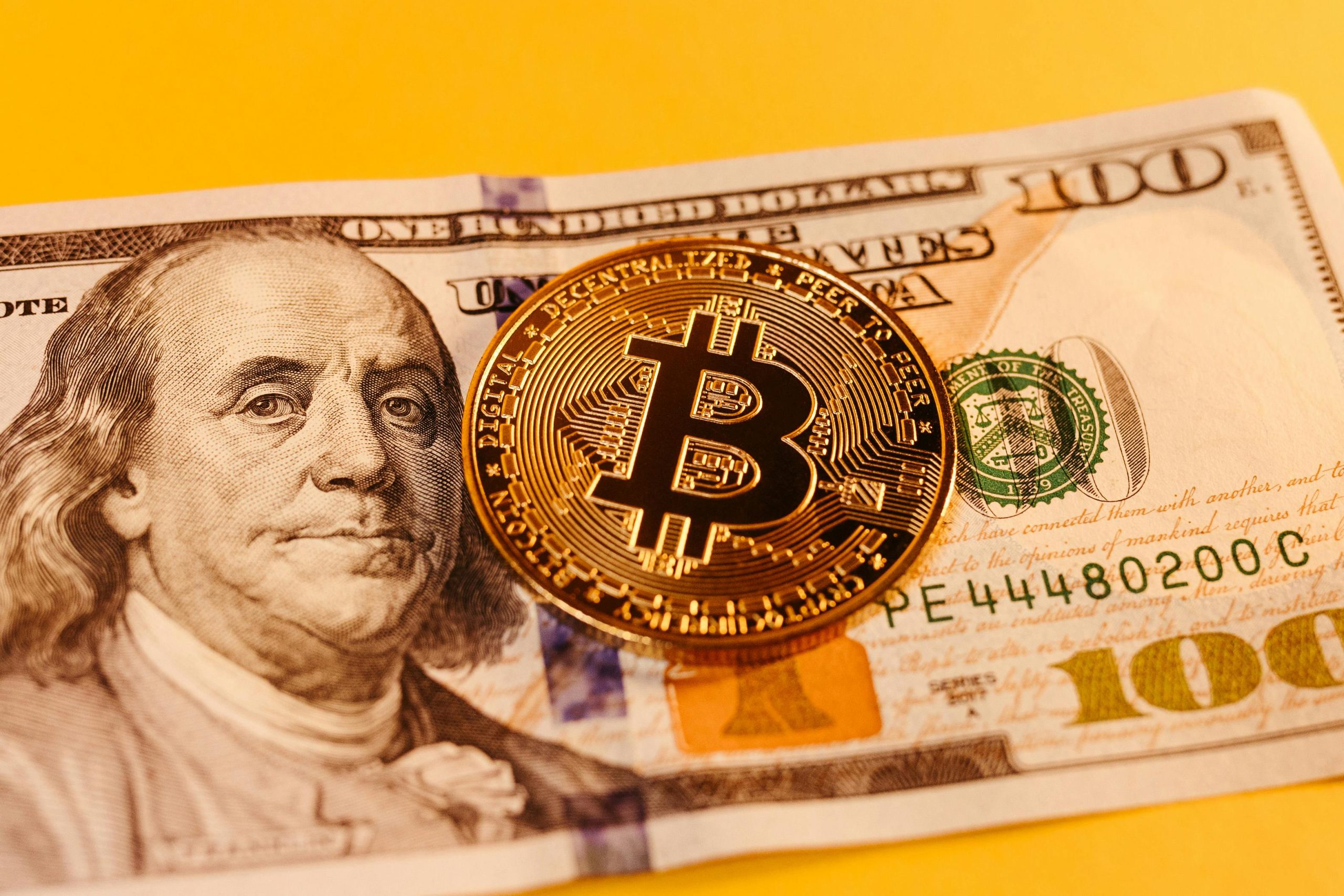
Bitcoin started as an experiment. Now it’s challenging the most powerful currency in the world. The conversation has moved past “is this real money?” to something far bigger. Could Bitcoin actually replace the dollar? That idea has a name in the crypto space, and people call it “bitcoin hyper.” It’s no longer just an internet theory either. Economists, governments, and major investors are all weighing in, and the arguments are getting harder to dismiss.
What Is the Bitcoin Hyper Thesis?
The bitcoin hyper thesis says Bitcoin becomes the foundation of global finance. Every transaction, every loan, and every trade settles in BTC. No central banks controlling the supply, no money printing, just 21 million coins running the entire system.
This isn’t purely wishful thinking. Real-world actions are already backing it up, and the momentum keeps building.
Why People Are Taking This Seriously
Several major moves have pushed the bitcoin hyper conversation into the mainstream. MicroStrategy has poured billions into Bitcoin as its primary treasury reserve asset, treating it as a long-term store of value rather than a speculative bet. El Salvador went further and made Bitcoin legal tender in 2021, integrating it directly into its national payment system. Institutional investors, meanwhile, keep adding BTC to their balance sheets every quarter.
Bitcoin’s core features also make a strong case on their own. Its fixed supply means no one can create more beyond 21 million coins. Its decentralized network means no single authority can control or freeze it. Anyone with a smartphone can hold, send, and receive Bitcoin without asking anyone for permission. Every transaction sits on the public blockchain, available for anyone to verify at any time. For people living under broken monetary systems, those features go far beyond convenience.
Why the Dollar Still Has the Upper Hand
The dollar didn’t become the world’s reserve currency by accident. After World War II, the U.S. built the entire global financial system around it. Oil trades in dollars. Most international debt is dollar-denominated. The IMF uses it as a benchmark currency across the board.
That creates a massive network effect. The more countries, banks, and businesses rely on the dollar, the harder and more expensive switching becomes. Bitcoin has its own growing network effect, but it’s nowhere close to that scale yet. The dollar also carries something Bitcoin doesn’t yet have: decades of institutional trust baked into the foundations of global trade.
The Gaps Bitcoin Still Needs to Close
Bitcoin has genuine technical limitations worth understanding. These aren’t reasons to dismiss it, but they’re real obstacles on the path forward:
- Volatility: Bitcoin’s price swings make consistent product pricing very difficult for everyday businesses.
- Transaction speed: The base layer handles around 7 transactions per second, while Visa processes thousands in the same window.
- Energy use: Bitcoin mining draws ongoing scrutiny from regulators and environmental groups around the world.
Where the Bitcoin Hyper Case Gets Stronger
Bitcoin keeps finding its footing in places where the dollar fails people. That’s where the real story is. Argentina, Turkey, and Nigeria all saw Bitcoin adoption spike during local currency crises. When a currency loses half its value overnight, trust collapses fast and people look for something outside the system. Bitcoin fills that space quickly, without requiring permission from any bank or government.
How the Lightning Network Changes the Picture
The scalability problem is actively shrinking. The Lightning Network settles Bitcoin transactions in seconds and charges fractions of a cent per transfer. That’s direct competition for payment processors, especially in regions where banking infrastructure is weak or inaccessible to large portions of the population. For a farmer in rural Nigeria or a freelancer in Argentina, that kind of access matters enormously.
How Geopolitics Are Shifting the Playing Field
China, Russia, and several Middle Eastern nations are already settling more trade in non-dollar currencies, and that trend slowly chips away at dollar dominance over time. Central bank digital currencies are also playing an unexpected role. When governments build their own digital money systems, they train everyday people to trust and use digital currencies. That comfort and familiarity can naturally spill over into Bitcoin adoption as well.
How Likely Is a Full Dollar Replacement?
A complete dollar replacement within the next decade is very unlikely. Regulatory resistance is strong, infrastructure gaps are real, and sovereign governments have enormous incentive to protect their monetary control. No government hands that kind of power over willingly.
But partial replacement is already happening right now. Bitcoin functions as a store of value for tens of millions of people. It moves money across borders faster and cheaper than traditional banking. It sits on the balance sheets of major corporations and, in some cases, sovereign governments. The path forward isn’t a sudden dramatic switch. Bitcoin’s role in the financial system keeps expanding steadily, and as that expansion continues, calling it a “replacement” starts feeling less like a radical claim and more like a natural next step.
Frequently Asked Questions
What does “bitcoin hyper” mean?
Bitcoin hyper refers to the idea that Bitcoin will eventually replace or dominate the global monetary system. It goes beyond Bitcoin being just a savings tool and points toward it becoming the base layer of all global finance.
Can Bitcoin handle global transaction volume right now?
Not on the base layer. The Bitcoin network processes roughly 7 transactions per second, which falls far short of global payment demands. However, Layer 2 solutions like the Lightning Network are actively expanding Bitcoin’s capacity for fast, low-cost everyday payments.
Is Bitcoin legal tender anywhere in the world?
Yes. El Salvador adopted Bitcoin as legal tender in 2021 and integrated it into its national payment infrastructure. The Central African Republic followed with a similar move shortly after, signaling that Bitcoin’s role as official currency isn’t limited to one country.
What is the biggest obstacle to Bitcoin replacing the dollar?
Government regulation stands as the most significant risk. Heavy restrictions from major economies like the U.S., EU, or China could slow adoption considerably and make it harder for Bitcoin to expand its role in global finance.