Key Takeaways:
- Khamenei’s death flipped a crypto bloodbath into a 5% rally as Bitcoin surged from $63,000 to $68,200 within hours
- Initial U.S.-Israeli airstrikes triggered $128 billion in crypto market losses with 157,000 traders liquidated
- Iranian state media confirmation of the Supreme Leader’s death sparked a “regime-change rally” narrative
- Traders bet the leadership vacuum increases de-escalation odds despite ongoing regional hostilities
Khamenei’s death flipped a crypto bloodbath into a 5% rally on March 1, 2026, creating one of the sharpest sentiment reversals in recent market history. Bitcoin crashed from $65,500 to $63,019 during initial panic over U.S.-Israeli strikes on Iran, with the crypto market shedding $128 billion in value. Hours later, Iranian state media confirmed Supreme Leader Ayatollah Ali Khamenei was killed in the attacks. Bitcoin immediately rebounded to $68,200 as traders pivoted from crisis mode to betting on regime change and potential de-escalation. The dramatic reversal demonstrated crypto’s role as a 24/7 pressure valve for geopolitical risk while traditional markets remained closed.
What Caused the Initial Crypto Bloodbath?
Khamenei’s death flipped a crypto bloodbath that began when coordinated U.S.-Israeli airstrikes hit Tehran on February 28, 2026. Cryptocurrency markets were the only major global venue open for trading during the weekend. This concentration of fear-driven selling created outsized volatility that would normally spread across equities, bonds, and commodities.
Bitcoin plummeted from approximately $65,500 to a low of $63,019 within about an hour of strike news breaking. The speed and severity of the decline reflected panic selling from leveraged traders and automated liquidation cascades. Crypto’s 24/7 trading meant these positions couldn’t wait for Monday’s market open to exit.
The market wipeout extended far beyond Bitcoin. Ethereum dropped from above $2,000 to $1,920, while Solana and XRP saw similar 6% to 8% declines. The total cryptocurrency market capitalization contracted by roughly $128 billion during peak selling. This represented approximately 5% of total market value evaporating in hours.
Mass liquidations amplified the downward pressure. Approximately 157,000 traders saw their leveraged positions forcibly closed, totaling $657 million in liquidations. Exchanges like Binance and Bybit processed waves of automated sell orders as margin requirements couldn’t be met during the rapid price decline.
The Weekend Liquidity Factor
The timing created exceptional volatility because traditional financial markets were closed. Stock exchanges, bond markets, and commodity futures couldn’t absorb any selling pressure. Crypto became the sole outlet for investors wanting to reduce risk exposure to Middle East escalation.
Thin weekend liquidity meant relatively small sell orders moved prices dramatically. The same amount of selling during weekday sessions with traditional markets open would have produced less extreme price swings. However, the concentration of all geopolitical fear into crypto markets during Saturday created conditions for rapid cascading declines.
Automated trading algorithms and stop-loss orders triggered sequentially as Bitcoin broke through key support levels. Each level breach activated additional selling, creating a self-reinforcing downward spiral. This dynamic continued until Bitcoin reached the $63,000 level where buyers finally emerged in sufficient volume.

Why Did Markets Reverse So Quickly?
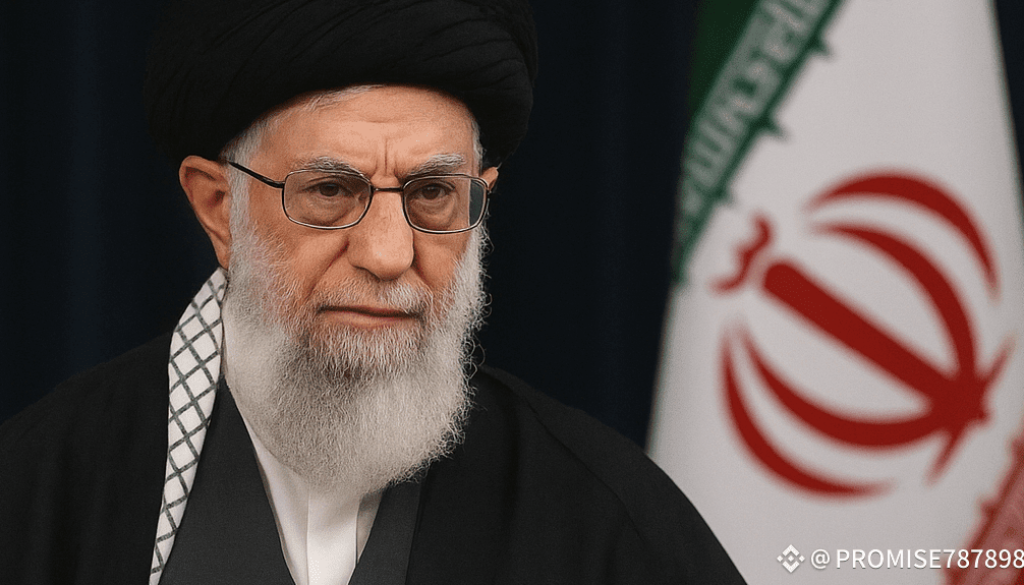
BBC News and Iranian state media confirmed Khamenei’s death hours after initial strike reports. This confirmation triggered the dramatic reversal that saw Khamenei’s death flip a crypto bloodbath into recovery. Traders immediately began betting that removing Iran’s 35-year supreme leader increased odds of de-escalation rather than escalation.
Bitcoin surged from its $63,000 floor to $68,200 on exchanges including Coinbase and MEXC within hours of the announcement. The 5% rally erased most of Saturday’s losses in a fraction of the time it took for the initial decline. Yahoo Finance reported Ethereum climbed back above $2,000 with a 4.5% gain.
The market’s interpretation centered on the sudden power vacuum in Tehran. Under Iran’s constitution, a temporary council assumes leadership until the Assembly of Experts selects a successor on an uncertain timeline. Traders bet this transition period makes coordinated military responses less likely than under unified command.
President Trump’s concurrent statements urging Iranians to overthrow the regime reinforced the regime-change narrative. His comment that this represented “probably your only chance for generations” suggested Washington viewed Khamenei’s death as an opening for fundamental change. Markets priced this as potentially shortening the conflict timeline.
The Prediction Market Signal
Prediction markets on Polymarket and Kalshi processed hundreds of millions in volume as users bet on strike timing and Khamenei’s fate. Some traders earned over $1.2 million correctly predicting the attack timing and outcome. This massive betting activity provided real-time market sentiment indicators that traditional financial markets lacked.
The platforms showed rapidly shifting probabilities as news developed throughout the weekend. Initial odds for Khamenei’s survival dropped from 85% to near zero within hours. Simultaneously, probabilities for near-term ceasefire agreements increased substantially. These shifts telegraphed changing market psychology that preceded the actual Bitcoin price recovery.
How Did Different Assets React?
The contrast between crypto and traditional safe havens highlighted how Khamenei’s death flipped a crypto bloodbath differently across asset classes. While Bitcoin recovered, oil prices surged 7% to 8% past $72 per barrel on fears about Strait of Hormuz supply disruptions. Gold climbed toward $5,400 per ounce as investors sought traditional safety.
The divergence reflects fundamental differences in what drives each asset. Oil responds to supply chain threats regardless of political leadership. The Strait of Hormuz carries 20% of global oil exports, and any closure disrupts physical commodity flows. Gold attracts capital during uncertainty without requiring specific conflict resolution scenarios.
Crypto’s recovery instead reflected traders betting on reduced long-term regional instability. A peaceful Iranian transition could theoretically end the conflict faster than continued strikes under unified leadership. This forward-looking speculation drove the rally while physical commodity markets remained focused on immediate supply risks.
Business Times noted the cryptocurrency market regained approximately $32 billion to $80 billion in value within hours of confirmation. However, analysts warned this represented trading on thin weekend liquidity rather than broad-based institutional conviction. The real test would come when U.S. equity markets and Bitcoin ETFs reopened Monday.
The Liquidation Reversal
The rapid price recovery triggered a second wave of liquidations affecting short sellers who bet on further declines. Traders who entered short positions during Saturday’s drop faced margin calls as Bitcoin surged back toward $68,000. This created a short squeeze dynamic that amplified the upward move beyond fundamental factors alone.
Funding rates on perpetual futures contracts swung from deeply negative to neutral, indicating the market’s shift from bearish to balanced sentiment. Open interest remained elevated, suggesting new positions were entering alongside forced closures. The combination created volatile conditions where small news developments could trigger large price movements.
What Risks Remain Despite the Rally?
Despite how Khamenei’s death flipped a crypto bloodbath into recovery, substantial risks remain that could reverse gains. Iran’s Revolutionary Guards launched retaliatory strikes against Israel, Qatar, UAE, and Bahrain in response to Khamenei’s death. These attacks demonstrate that military operations continue despite the leadership vacuum.
The temporary leadership council governing until succession remains untested. Their ability to control Iran’s military and Revolutionary Guards is uncertain. Hardline factions could pursue aggressive retaliation independently of civilian government restraint. This fragmentation risk could produce more volatile and unpredictable responses than under unified command.
Oil market disruptions pose indirect threats to crypto through macroeconomic channels. If Strait of Hormuz closures persist beyond days, energy prices could spike dramatically. The resulting inflation shock would likely force central banks to maintain higher interest rates longer. This tightens financial conditions and typically pressures risk assets including cryptocurrency.
Barclays analysts warned that oil markets “might have to face their worst fears” with Brent crude potentially hitting $100 per barrel. Energy price spikes of that magnitude would ripple through global inflation expectations. Central banks would need to balance growth concerns against renewed inflation pressures, likely choosing to err toward tighter policy.
The Monday Test
Crypto analysts at 10x Research and Tokenize Capital emphasized that real price discovery occurs when traditional markets reopen. Bitcoin’s weekend rally happened on thin liquidity without input from institutional equity or bond traders. Monday’s session would reveal whether the optimism holds once broader markets assess the situation.
U.S. Bitcoin ETF flows provide a key indicator of institutional sentiment. Large outflows Monday morning would signal professional investors view the weekend rally skeptically. Conversely, sustained inflows would validate the regime-change narrative and potentially push Bitcoin higher. The first hours of U.S. trading typically set the tone for the rest of the week.
How Does This Compare to Previous Geopolitical Events?
The pattern where Khamenei’s death flipped a crypto bloodbath into recovery matches Bitcoin’s historical behavior during sudden geopolitical shocks. The cryptocurrency typically flash crashes on initial crisis news before recovering as markets adapt. Similar dynamics played out during Russia’s Ukraine invasion, Israel’s previous Iran strikes, and major terrorist attacks.
The key difference this time involves the leadership change element. Previous Middle East tensions occurred with existing power structures intact. Khamenei’s death introduces genuine uncertainty about Iran’s next moves rather than predictable escalation patterns. Markets struggle to price this type of unprecedented transition.
The recovery speed also stands out. Bitcoin took weeks to recover from previous geopolitical selloffs. The hours-long turnaround this time suggests traders view Khamenei’s removal as materially changing the conflict’s trajectory. Whether this optimism proves justified remains uncertain, but the market clearly sees his death as potentially conflict-ending rather than conflict-escalating.
Prediction markets played a larger role than in previous episodes. The ability to bet directly on specific outcomes like Khamenei’s survival or strike timing provided price discovery mechanisms that didn’t exist during earlier crises. This real-time probability updating may have accelerated how quickly markets processed new information and adjusted positions.
Frequently Asked Questions
Why did Bitcoin crash then recover so quickly?
Khamenei’s death flipped a crypto bloodbath because markets were the only venue open during weekend strikes. Initial panic drove selling, but confirmation of the Supreme Leader’s death sparked betting on regime change and de-escalation. The complete reversal happened within roughly 12 hours as sentiment shifted.
Will crypto continue rallying after Khamenei’s death?
The sustainability of the rally depends on developments when traditional markets reopen Monday. Bitcoin ETF flows and equity market reactions will reveal whether institutional investors share retail traders’ optimism. Continued Iranian retaliation or Strait of Hormuz closures could reverse weekend gains quickly.
How much money was made betting on the attack?
Prediction market data shows traders earned over $1.2 million correctly predicting U.S. strike timing and outcomes. Polymarket and Kalshi processed hundreds of millions in volume as users bet on Khamenei’s fate. Some profitable bets raised concerns about potential insider trading.
Did other cryptocurrencies rally like Bitcoin?
Yes, Khamenei’s death flipped a crypto bloodbath across the entire market. Ethereum gained 4.5% back above $2,000, while Solana and XRP saw 8% to 9% rebounds from their lows. The total market recovered $32 billion to $80 billion in value within hours.
What happens if Iran’s transition becomes chaotic?
A disorderly succession or power struggle within Iran would likely reverse crypto’s rally. Markets priced in relatively smooth transition assumptions. Civil conflict, military coups, or hardline takeovers could produce worse outcomes than continued conflict under Khamenei’s leadership.