Bitcoin has created fortunes for people who bought early, held through volatility, or simply forgot about a wallet until it was worth a life-changing amount. It has also created plenty of cautionary tales. Here are five real, documented stories that show both sides of that coin.
Vitalik Buterin: The Programmer Who Built His Own Fortune

Vitalik Buterin’s story is different from the others on this list because he did not get rich by buying Bitcoin. He got rich by co-creating an entirely new blockchain platform, Ethereum, which he began working on in late 2013 and launched in 2015.
Buterin had already built a reputation in the Bitcoin community before Ethereum, writing extensively for Bitcoin Magazine as a teenager. In 2014, he was awarded a $100,000 Thiel Fellowship, a program that pays young people to skip or drop out of college and pursue independent projects, which he used to fund Ethereum’s early development instead of continuing his studies at the University of Waterloo. His father, Dmitry Buterin, is a computer scientist, and Vitalik has said this background shaped his early interest in the technical side of cryptography and distributed systems.
Buterin’s wealth is tied to his early ETH holdings from Ethereum’s 2014 token sale, though the exact size of his current holdings and net worth are not disclosed in detail. In June 2017, a hoax claiming Buterin had died in a car accident spread online and briefly caused Ethereum’s price to drop, an incident that illustrated how closely the asset’s value was tied to public confidence in his continued involvement with the project.
For readers who want to understand the platform he built, our full profile on Vitalik Buterin covers his career and ongoing involvement in Ethereum’s development in more depth.
Erik Finman: The Middle Schooler Who Dropped Out on a Bet
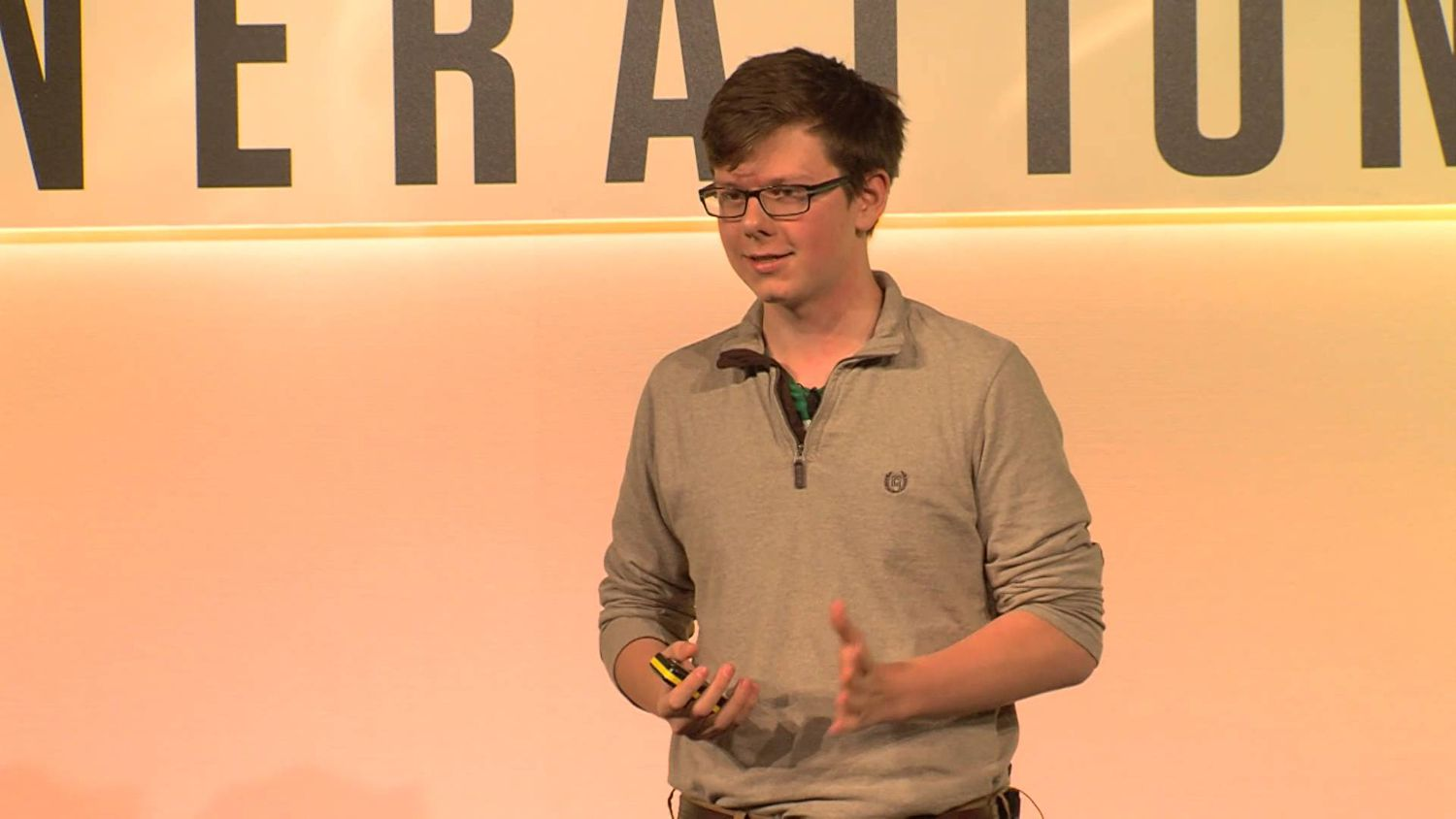
Erik Finman’s story began with a $1,000 gift from his grandmother when he was 12 years old, which he invested in Bitcoin. Over the following years, as Bitcoin’s price rose, that investment grew substantially. Around the same time, Finman built a peer-to-peer tutoring platform called Botangle and was later paid for it in a mix of cash and Bitcoin, choosing to take a larger share in Bitcoin because he believed in its long-term value over cash.
Finman’s parents agreed that if he reached $1 million in net worth by age 18, he would not be required to attend college. He hit that mark and left traditional schooling behind to continue working full-time in crypto and technology. His story became a frequently cited example of a young Bitcoin investor benefiting from getting in early and holding through volatility.
Jeremy Gardner: From College Dropout to Prediction Markets

Jeremy Gardner’s entry into Bitcoin was closer to chance than calculation. In Bitcoin’s early years, a friend bought him a few hundred dollars’ worth of the crypto. Gardner held onto it, watched its value climb sharply, and eventually left college to work on crypto and blockchain projects full time.
His most notable contribution came in 2013, when he helped create Augur, an early blockchain-based prediction market platform that let users bet on real-world outcomes. He went on to found the Blockchain Education Network, a network of university-based groups aimed at increasing crypto and blockchain literacy on campuses, and later worked in an advisory and entrepreneur-in-residence capacity with Blockchain Ventures.
Kristoffer Koch: The Forgotten Hard Drive Worth a Fortune

In 2009, Norwegian student Kristoffer Koch bought 5,000 bitcoins for about 150 Norwegian kroner, roughly $27 at the time, as part of a school research project on encryption. He then largely forgot about the purchase for years.
When Bitcoin’s price surged years later, Koch rediscovered his old wallet and realized the holding was worth close to $1 million at the time, which he later reported had grown even further as Bitcoin’s price continued to climb.
He used part of the proceeds to buy an apartment in Oslo. Koch’s story is frequently cited as one of the clearest examples of the risk of writing off a small, low-cost crypto purchase as worthless, since the asset’s price history has repeatedly rewarded patience over short-term dismissal.
Jered Kenna: A Fortune Made, and a Hard Lesson in Security

Jered Kenna was among the earliest Bitcoin investors, buying coins for a fraction of a cent each during the currency’s first years and holding through its rise to over $250 per coin, a gain that made him one of the more prominent early Bitcoin millionaires. Kenna, a former U.S. Marine, went on to found Tradehill, one of the earliest Bitcoin exchanges operating in the United States.
Kenna’s story is also a cautionary one because despite storing a portion of his Bitcoin holdings on a separate hard drive rather than on an exchange, he was hacked and lost most of it. He continued working in the crypto industry afterward, including founding another exchange venture, rather than exiting the space after the loss.
Kenna’s experience is a real-world example of why self-custody alone does not guarantee safety if the underlying device or storage method is compromised. Our guide on common crypto wallet security mistakes covers the specific errors that leave holdings exposed and what to do differently.
What These Stories Have in Common
Every story on this list shares two things: an early entry point into Bitcoin, well before it reached mainstream attention, and enough patience or luck to hold through the price swings that followed.
None of these outcomes were guaranteed, and several of the same early investors who made fortunes also faced real losses, whether through theft, poor security practices, or simply selling too early.
These are historical outcomes from a specific, unusually early period in Bitcoin’s price history, not a template for what any new investor should expect today.
Readers interested in learning from documented mistakes in crypto investing, including some of the same security failures described above, can find practical guidance in our guide to common crypto investing mistakes.
Frequently Asked Questions
Need a refresher? Here are the questions most readers ask about these early Bitcoin success stories.
Who was the youngest person to become a Bitcoin millionaire?
Erik Finman is a frequently cited example, having started investing in Bitcoin at age 12 with a $1,000 gift from his grandmother and reaching $1 million in net worth by age 18, according to widely reported coverage of his story from that period.
Did Vitalik Buterin get rich from buying Bitcoin?
Buterin did not get rich from buying Bitcoin. His wealth comes primarily from co-creating Ethereum, a separate blockchain platform he began building in 2013 and launched in 2015. He was an active writer in the Bitcoin community before founding Ethereum.
How did Kristoffer Koch become a Bitcoin millionaire by accident?
Koch bought 5,000 Bitcoins for about $27 in 2009 as part of a school research project and then forgot about the purchase for years. When he rediscovered his wallet, the holding was worth close to $1 million at the time, and he used part of it to buy an apartment in Oslo.
What happened to Jered Kenna’s Bitcoin holdings?
Kenna was an early Bitcoin investor who bought coins for fractions of a cent and held through a rise to over $250 per coin. Despite storing part of his holdings on a separate hard drive, he was hacked and lost most of it. He continued working in the crypto industry afterward.
Are these Bitcoin millionaire stories still possible today?
These stories reflect a specific early period in Bitcoin’s price history, when the asset traded for a fraction of a cent to a few hundred dollars. Achieving similar percentage gains from today’s price levels would require a very different market environment, and none of these outcomes should be treated as a realistic expectation for new investors.