Key Takeaways:
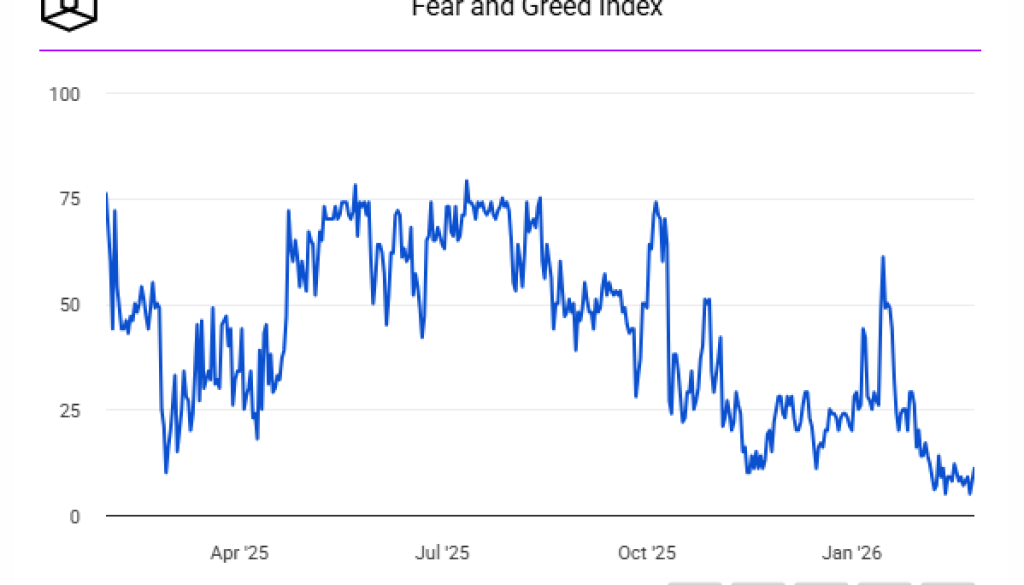
- Greed Fear Index lowest in history hit 5 on February 6, 2026, surpassing previous lows of 6 during Terra/Luna collapse and COVID crash
- Bitcoin plummeted 52% from $126,000 October 2025 peak to $60,000 low after $19 billion liquidation event on October 10, 2025
- Historical extreme fear readings below 10 preceded rallies of 150-1,400% but recoveries typically took months to years, not days
The Greed Fear Index lowest in history reached 5 on February 6, 2026. This extreme fear reading surpassed all previous lows including Terra/Luna and FTX crashes. Bitcoin fell 52% from $126,000 October peak to $60,000 bottom. Over $19 billion in leveraged positions liquidated on October 10, 2025 alone. The index combines volatility, momentum, social media, Bitcoin dominance, and search trends. Current reading shows unprecedented panic across crypto markets. Historical patterns suggest extreme fear often precedes major rallies.
What Caused the Greed Fear Index Lowest in History Reading?
Multiple factors combined creating perfect storm conditions. The October 10, 2025 liquidation event triggered cascading selloffs. Macro pressures and institutional selling amplified the decline.
How Did October 10, 2025 Change Everything?
October 10, 2025 became known simply as “10/10” in crypto markets. That single day saw $19 billion in forced liquidations across exchanges. Over 1.6 million accounts got wiped out simultaneously.
Bitcoin dropped 14% within 24 hours that day. Altcoins faced even more severe drawdowns exceeding 30-50%. The cascade exposed serious structural vulnerabilities in derivatives markets.
Thin liquidity amplified price swings dramatically. Excessive cross-margined leverage created domino effects across platforms. Exchange infrastructure buckled under the unprecedented load.
Market sentiment never truly recovered from that shock. The Fear and Greed Index steadily declined afterward. By February 2026, panic reached historic extremes.
What Other Factors Pushed Fear to Record Lows?
Leveraged liquidations continued beyond the October event. Over $2.5 billion in positions got forcibly closed during February alone. Each liquidation wave pushed sentiment lower.
Macroeconomic pressures weighed heavily on risk assets. Federal Reserve policy remained restrictive throughout. Inflation concerns prevented expected rate cuts materializing.
Bitcoin ETF outflows reached $816 million over just two days. Institutional selling replaced the buying pressure seen previously. This marked significant shift from past recovery patterns. Understanding Bitcoin market cycles helps contextualize these movements.
How Does This Compare to Previous Fear Extremes?
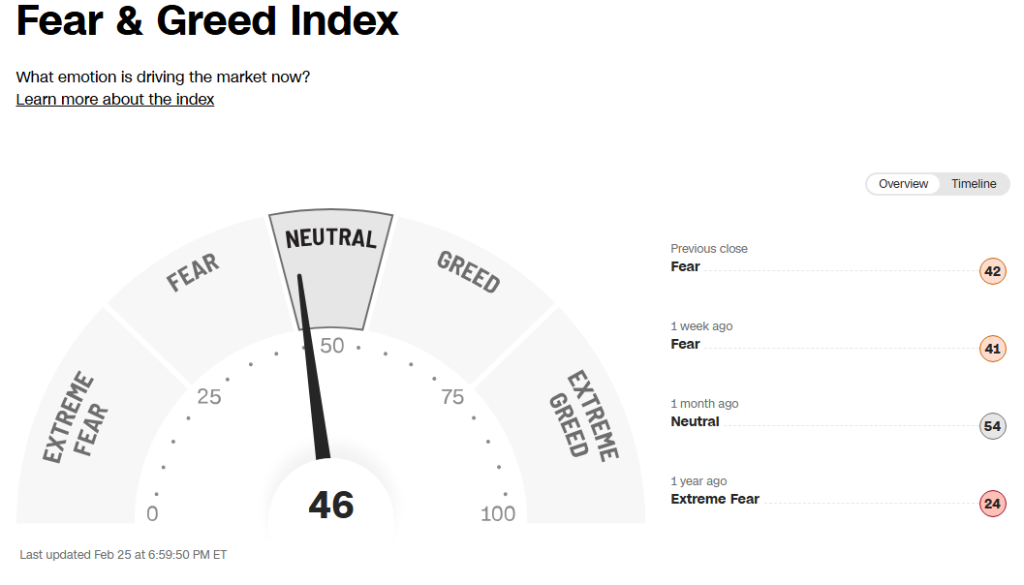
The current reading of 5 beats all historical lows. But examining past extreme fear episodes provides valuable context. Each previous low eventually preceded significant recoveries.
What Happened During Terra/Luna Collapse?
June 2022 saw the Fear and Greed Index hit 6. Terra/Luna ecosystem implosion triggered that reading. Bitcoin fell toward $17,000 during that crisis.
The recovery from that low took many months. Price action remained choppy throughout second half 2022. But the gradual uptrend eventually led to new highs.
Investors who bought during peak fear in mid-2022 ultimately profited. However, they needed patience waiting for recovery. The turnaround wasn’t immediate despite extreme sentiment.
How Did COVID Crash Fear Compare?
March 2020 brought the COVID-19 pandemic crash. The index dropped between 6-10 during that period. Bitcoin bottomed near $4,000 briefly.
This recovery proved much faster than Terra/Luna. The V-shaped bounce surprised many observers. Bitcoin increased over 248% by year-end 2020.
That crash had clear catalyst everyone understood. The pandemic created obvious shock event. Current situation lacks such singular trigger confusing many.
What About 2018-2019 Crypto Winter?
December 2018 saw Bitcoin fall to $3,200 levels. The index stayed in extreme fear territory for weeks. August 2019 recorded a reading of 5 similar to now.
Recovery from crypto winter took multiple years. Bitcoin didn’t reclaim $20,000 until late 2020. But eventual rally to $69,000 rewarded patient holders.
That bottom required enduring extended pain period. Holding through two-plus years tested conviction severely. The 20x gains eventually justified the wait.
What Historical Patterns Emerge From Extreme Fear?
Every extreme fear reading below 10 eventually reversed. However, the timing and magnitude varied significantly. Understanding these patterns helps set realistic expectations.
Do Low Readings Guarantee Immediate Bottoms?
Extreme fear signals capitulation but doesn’t guarantee immediate recovery. The index shows when panic peaks, not when reversal starts. This distinction matters enormously for timing.
Statistical analysis shows mixed short-term results. The 30-day median return after readings below 10 is just 2.1%. Success rate for positive monthly returns reaches only 63%.
These numbers suggest patience remains essential. Catching exact bottom matters less than staying invested. Extended sideways trading often follows extreme fear periods.
What Recovery Patterns Typically Follow?
Past extreme fear episodes produced 150-1,400% rallies eventually. But timeframes ranged from months to multiple years. The COVID crash recovered fastest with V-shaped bounce.
FTX collapse in November 2022 showed slower recovery pattern. Bitcoin took nearly a year reaching $40,000 from $15,500 low. The 150% gain required patience through consolidation.
The 2018-2019 crypto winter demanded even longer commitment. Two full years passed before reclaiming previous highs. But subsequent rally exceeded 20x from bottom.
When Does Fear Typically Start Reversing?
The index climbing back above 20-25 often marks turning points. This shift from extreme fear to ordinary fear signals worst ending. That transition hasn’t occurred yet in current situation.
Institutional flows typically lead sentiment reversals. Smart money accumulation precedes retail FOMO usually. But current cycle shows institutions selling rather than buying.
This difference makes current situation unique somewhat. Traditional bottom signals aren’t flashing as expected. The recovery playbook might differ from past cycles.
How Is Current Fear Different From Past Extremes?
Surface similarities exist between current and past capitulations. Over $2.6 billion liquidated within 24 hours recently. Open interest collapsed from $103 billion to $61 billion. Understanding open interest drops shows the leverage washout.
What Makes This Decline Unique?
Previous crashes had clear identifiable triggers everyone understood. FTX collapse, Terra/Luna implosion, COVID pandemic all obvious. Current decline lacks such singular catalyst confusing participants.
The slow bleed driven by multiple factors simultaneously. Macroeconomic uncertainty, regulatory concerns, and technical factors all contributed. No single shock event to point toward.
Institutional behavior differs markedly from past cycles too. Smart money usually stepped in buying dips before. This time even large Bitcoin funds turned net sellers.
ETF outflows replaced the inflows characterizing earlier periods. Corporate holders redeemed positions rather than accumulating. The typical bottom-fishing behavior hasn’t materialized yet.
Are Institutions Actually Buying Despite Fear?
Paradoxically, major traditional finance players continue DeFi engagement. BlackRock, Citadel, and others deepen tokenization efforts. Real-world asset adoption projects progress measurably.
This creates notable divergence between sentiment and fundamentals. Retail sentiment operates on different timelines than institutions. Long-term builders continue while traders panic.
The disconnect suggests possible opportunity for patient investors. Fundamentals improving while sentiment deteriorates often creates value. But timing such divergences remains extremely difficult.
What Should Investors Do With Historic Fear Levels?
Extreme fear historically represented better accumulation opportunity than selling. Every prior reading below 10 eventually rewarded patience. But individual circumstances vary considerably.
Risk management becomes even more important during extremes. Position sizing should reflect personal tolerance for volatility. Wider price swings require appropriate stop-loss levels.
Dollar-cost averaging during fear periods worked historically. Spreading purchases across time reduces timing risk. This strategy removes pressure of picking exact bottom.
Understanding personal investment horizon matters greatly. Short-term traders face different considerations than long-term holders. The “correct” action depends entirely on individual goals.
Frequently Asked Questions
What is the Greed Fear Index lowest in history?
The Greed Fear Index lowest in history reached 5 on February 6, 2026, surpassing previous record of 6 during Terra/Luna collapse in June 2022 and COVID crash in March 2020, indicating unprecedented extreme fear across cryptocurrency markets.
Does extreme fear mean Bitcoin will rally soon?
Extreme fear historically preceded major rallies of 150-1,400% but recoveries took months to years, not days or weeks. The index signals oversold conditions but doesn’t guarantee immediate reversal, with 30-day median return after readings below 10 being just 2.1%.
How does current fear compare to FTX collapse?
Current reading of 5 is lower than FTX collapse reading of 12 in November 2022. However, FTX had clear trigger while current decline has no singular catalyst, and institutions are net sellers now versus buyers during FTX recovery.
What caused the record fear level?
October 10, 2025 liquidation event with $19 billion in forced closures across 1.6 million accounts triggered initial panic. Continued liquidations, ETF outflows exceeding $816 million, macroeconomic pressures, and persistent institutional selling amplified fear to record levels.
When might fear start reversing?
Fear typically begins reversing when index climbs back above 20-25, shifting from extreme fear to ordinary fear. This hasn’t occurred yet, and traditional bottom signals like institutional accumulation aren’t flashing, suggesting patience may be required for recovery.