Key Takeaways
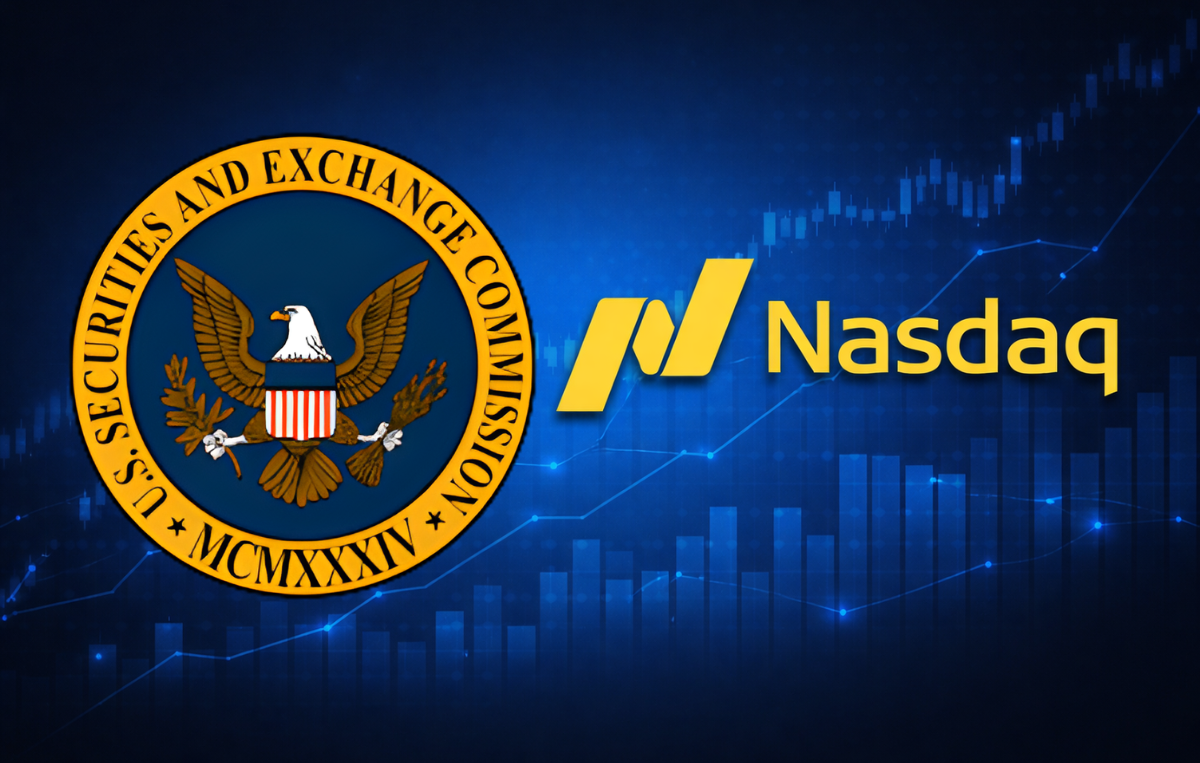
- The SEC approved Nasdaq’s rule change, allowing the exchange to support tokenized securities, merging traditional finance with blockchain.
- Tokenized securities are digital versions of assets like stocks and bonds, enabling faster, transparent, and more accessible trading for investors.
- The rule change lays the groundwork for quicker settlement, clearer transaction records, and potentially lower operational costs across markets.
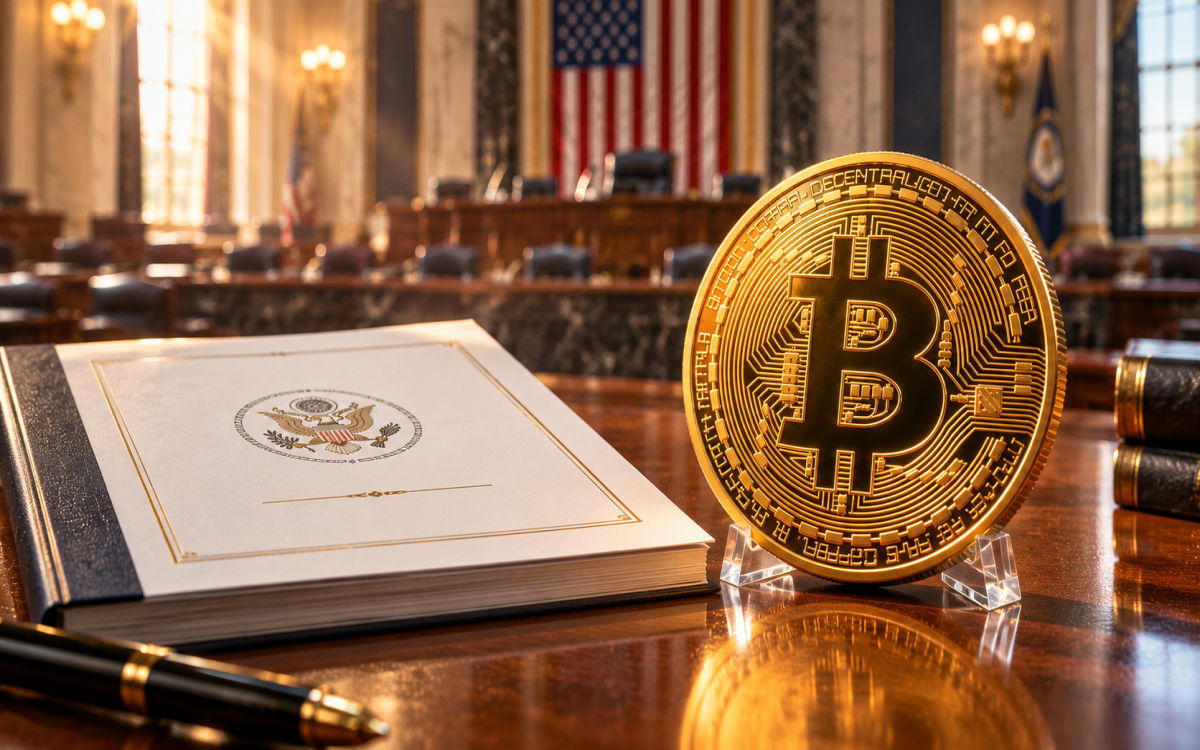
The U.S. Securities and Exchange Commission has approved a key rule change that will allow Nasdaq to support the trading of tokenized securities, marking an important shift in how financial markets could work in the near future. Tokenized securities are digital versions of assets like stocks, recorded on blockchain technology, which can make trading faster, more transparent, and easier to access for a wider range of investors.
This move shows that regulators are becoming more open to blending traditional finance with newer digital systems. By allowing a major exchange like Nasdaq to explore this space, the decision could help bridge the gap between Wall Street and blockchain, potentially changing how assets are issued, traded, and managed in the years ahead.
Bringing Stocks and Bonds Onto Blockchain
The approved rule change sets the foundation for a new way of issuing and trading financial assets, where instruments like stocks and bonds can exist in digital form on blockchain networks. Instead of relying solely on traditional systems, these assets can now be structured in a way that allows for quicker settlement times, clearer transaction records, and potentially lower operational costs across the market.
For Nasdaq, this move goes beyond a simple system upgrade. It reflects a clear effort to keep pace with shifting market trends as digital assets continue to gain momentum worldwide. By putting the groundwork in place for tokenized trading, the exchange is positioning itself for a future where traditional markets and blockchain-based systems work alongside each other, giving investors more options in how they trade and manage their assets.
What Tokenized Securities Mean for Investors
For investors, tokenized securities offer a more flexible way to take part in the market. They can help simplify processes that are usually slow or complicated, like clearing trades and transferring ownership, making everything more efficient. Because these assets can be split into smaller pieces, investors can also choose how much to invest, with more control, rather than needing large amounts of capital upfront.
At the same time, this shift comes with new opportunities and adjustments. Institutional investors now have a clearer, regulated way to explore blockchain-based trading, while retail investors may gain access to markets that were once harder to enter. As this space grows, it could gradually change how people invest, manage risk, and interact with financial markets day to day.
Regulatory Clarity and Market Confidence
The SEC’s decision gives a clearer picture of how tokenized securities can operate within existing financial rules. Instead of creating a completely new system, it shows how blockchain-based assets can fit into current regulations, helping firms understand what’s allowed and how to stay compliant.
This kind of clarity could make a big difference for adoption. Companies that were hesitant to explore tokenization now have more confidence to enter the space, and investors can feel reassured that these new digital products are being introduced under proper oversight.
Implications for Fintech and Brokerage
For fintech companies and brokerages, the SEC’s approval opens the door to entirely new business opportunities. Platforms may start offering tokenized securities, creating innovative products and services that go beyond traditional trading. This could include tools for fractional ownership, faster settlement, or seamless digital asset management.
The change also encourages fintechs and brokerages to explore partnerships with blockchain firms, building the infrastructure needed to support secure and efficient tokenized trading. Over time, this could help these companies attract new clients, expand into global markets, and stay competitive as digital assets become a bigger part of investing.
Final Thoughts
The SEC’s approval of Nasdaq’s rule change is a landmark moment for financial markets. Tokenized securities are moving closer to the mainstream, and the line between traditional finance and blockchain is starting to fade. If implemented successfully, this could completely change how assets are issued, traded, and managed, making markets faster, more transparent, and easier to access. For investors, fintechs, and brokerages, it opens the door to exciting new opportunities and innovative ways to participate in the market. With clear rules in place, both companies and investors can step into this new era with confidence, watching traditional finance and digital assets come together in ways that could shape the future of investing.
Frequently Asked Questions
What are tokenized securities?
Tokenized securities are digital versions of traditional financial assets such as stocks, bonds, and other instruments. They are recorded on blockchain networks, which can make trading faster, more transparent, and easier to track.
What did the SEC approve?
The U.S. Securities and Exchange Commission approved Nasdaq’s rule change, allowing the exchange to support the trading of tokenized securities. This provides a regulated framework for integrating blockchain technology into traditional markets.
How could tokenized securities affect investors?
Tokenized securities can offer more flexibility, faster settlement, and the ability to buy smaller portions of an asset. Institutional investors gain a clear, regulated way to explore blockchain trading, while retail investors may access markets that were previously harder to reach.
What benefits do fintech companies get from this approval?
Fintechs can offer new services like fractional ownership, faster settlement, and digital asset management, while partnering with blockchain firms for secure trading.