Key Takeaways
- How does Bitcoin work? Bitcoin is a decentralized digital currency that operates without banks or governments. Transactions are recorded on a public ledger called the blockchain.
- Miners secure the network by solving computational puzzles. In return, they earn newly issued BTC plus transaction fees.
- Bitcoin’s supply is capped at 21 million coins. No one can create more, which makes it fundamentally different from fiat currencies.
Bitcoin is a digital currency that moves value between people without a bank in the middle. It was created in 2009 by an anonymous person or group using the name Satoshi Nakamoto. Understanding how it works requires understanding three things: the blockchain, mining, and wallets. Each piece plays a specific role in the system.
What the Blockchain Actually Does
The blockchain is Bitcoin’s public ledger. Every Bitcoin transaction ever made is recorded on it permanently. No single company or government owns the blockchain. Thousands of computers around the world each hold a complete copy of it.
When you send Bitcoin to someone, your transaction gets broadcast to this network. Computers on the network (called nodes) verify that you actually own the BTC you are trying to send. They check your transaction against the existing blockchain history. If it checks out, the transaction waits in a pool to be added to the next block.
How Blocks and Transactions Work Together
Transactions on the Bitcoin network get grouped into blocks. Each block holds a set of verified transactions. Once a block is complete, it gets added to the chain of previous blocks. That chain creates a permanent, unalterable record.
Each block connects to the one before it through a cryptographic hash. A hash is a fixed-length code generated from a block’s data. If anyone tries to change a past transaction, the hash changes, breaking the chain. Every node on the network immediately detects the discrepancy and rejects the tampered version. This is what makes Bitcoin transactions irreversible.
What Miners Do and Why They Matter
Mining is the process that adds new blocks to the Bitcoin blockchain. Miners compete to solve a computational puzzle. The puzzle requires finding a specific number (called a nonce) that produces a valid hash for the new block. This takes enormous computing power and energy.
The first miner to solve the puzzle gets to add the next block and claims the block reward. As of 2024’s halving, that reward is 3.125 BTC per block plus any transaction fees included in the block. This reward system incentivizes miners to keep the network running honestly.
Why Mining Creates Security
Mining secures the network through a mechanism called proof-of-work. To change any historical transaction, an attacker would need to redo all the computational work for every block after the one they want to change. They would need to outpace the entire honest network simultaneously. The energy and hardware cost of doing this makes a successful attack extraordinarily expensive.
The difficulty of the mining puzzle adjusts automatically every 2,016 blocks (roughly every two weeks). If miners join the network and solve puzzles faster, difficulty increases. If miners leave, difficulty decreases. This keeps block times steady at approximately 10 minutes regardless of how much mining power is present.
How Bitcoin Wallets and Private Keys Work
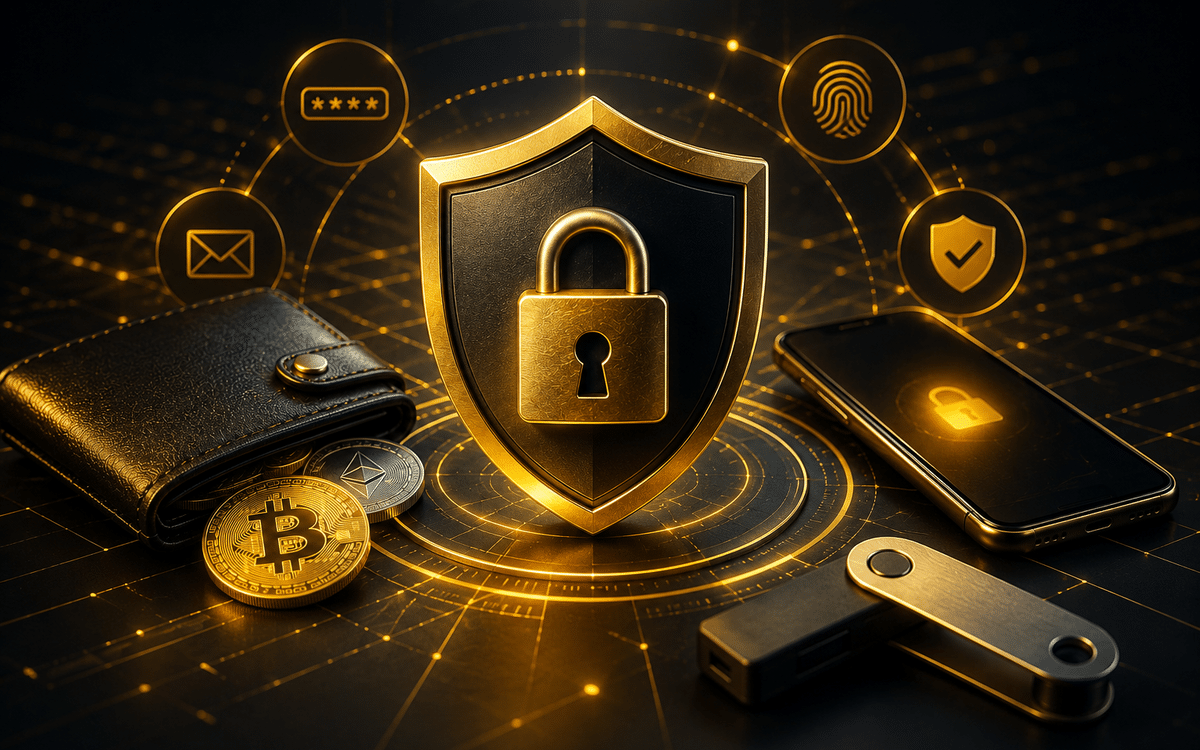
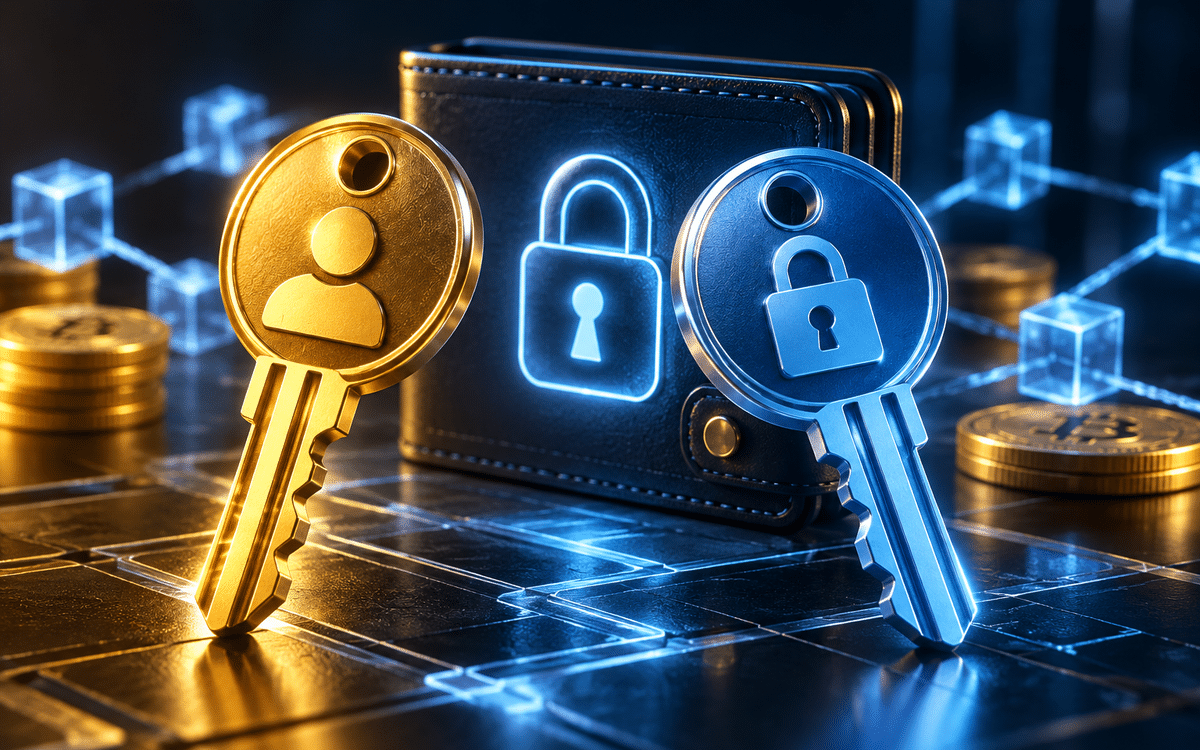
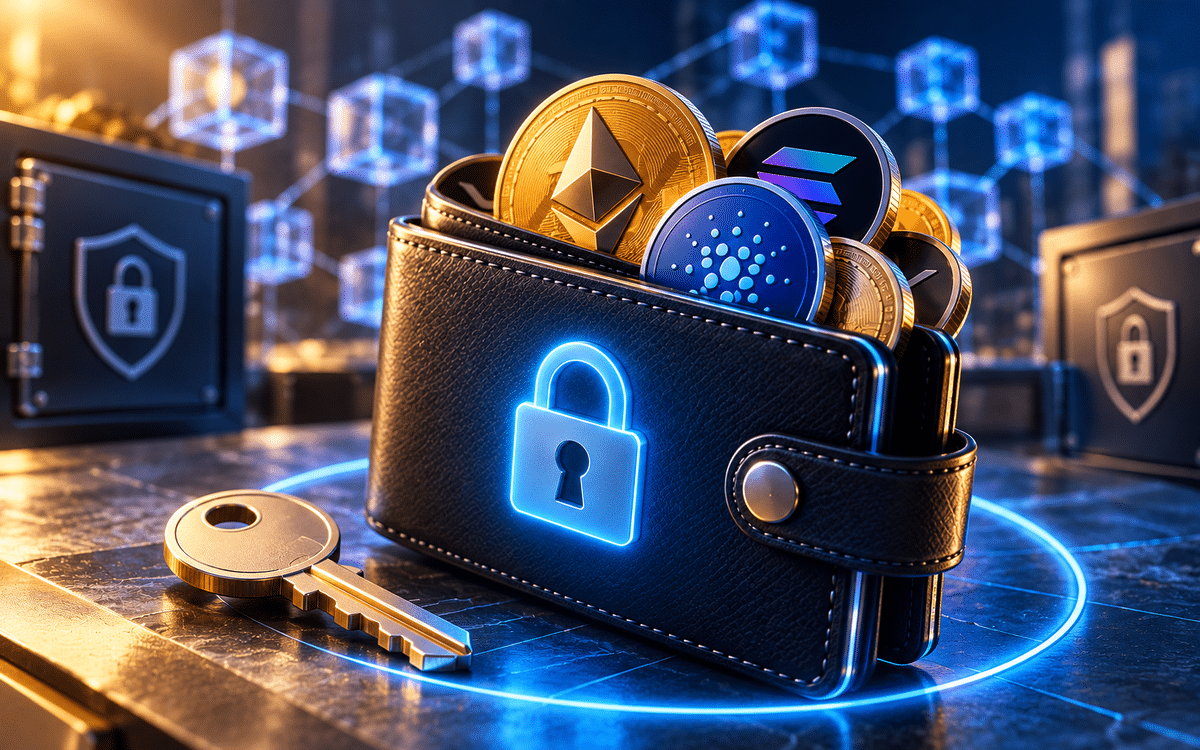
A Bitcoin wallet does not store Bitcoin. Your BTC exists on the blockchain. The wallet stores your private key, which is the cryptographic proof that you own the BTC at a specific address.
A private key generates a public key, which generates a Bitcoin address. Your address is what you share to receive BTC, similar to an email address. Your private key is what you use to authorize sending BTC, similar to a password. Anyone with your private key has full control of your BTC.
This is why hardware wallets like Ledger and Trezor are the standard recommendation for serious Bitcoin holders. They store private keys offline, away from internet-connected devices where hackers can access them. For a broader comparison of wallet types and security models, the wallet security guide covers the key differences in plain terms.
To buy your first Bitcoin, Coinbase and Kraken are among the most regulated and accessible entry points in the US market.
Frequently Asked Questions
Who controls the Bitcoin network?
No single person or organization controls Bitcoin. The network operates through consensus among thousands of nodes running the Bitcoin software. Changes to the protocol require broad agreement from miners, node operators, and developers.
Can Bitcoin transactions be reversed?
No. Once a Bitcoin transaction receives six confirmations on the blockchain, it is considered irreversible. This is by design. It prevents double-spending but also means mistakes cannot be undone.
How long does a Bitcoin transaction take?
A Bitcoin transaction typically receives its first confirmation within 10 minutes. Most exchanges and services consider a transaction final after six confirmations, which takes about an hour under normal network conditions.
What happens when all 21 million Bitcoin are mined?
After all 21 million BTC are mined, miners will no longer earn block rewards. They will only earn transaction fees. This transition is expected to occur around 2140 and is designed to make Bitcoin’s long-term security dependent on transaction fee revenue.
Is Bitcoin anonymous?
Bitcoin is pseudonymous, not anonymous. Every transaction is publicly visible on the blockchain. Wallet addresses are not tied to real names by default, but blockchain analytics firms can often trace transactions back to identifiable parties through exchange records and on-chain patterns.