Key Takeaways
- BlackRock’s iShares Bitcoin Trust (IBIT) launched in January 2024 and became the fastest ETF in history to reach $50 billion in assets under management.
- IBIT gives institutional investors regulated Bitcoin exposure without requiring custody, wallets, or direct exchange access.
- Sustained IBIT inflows create consistent BTC demand that did not exist before January 2024, structurally changing Bitcoin’s supply-demand dynamic.
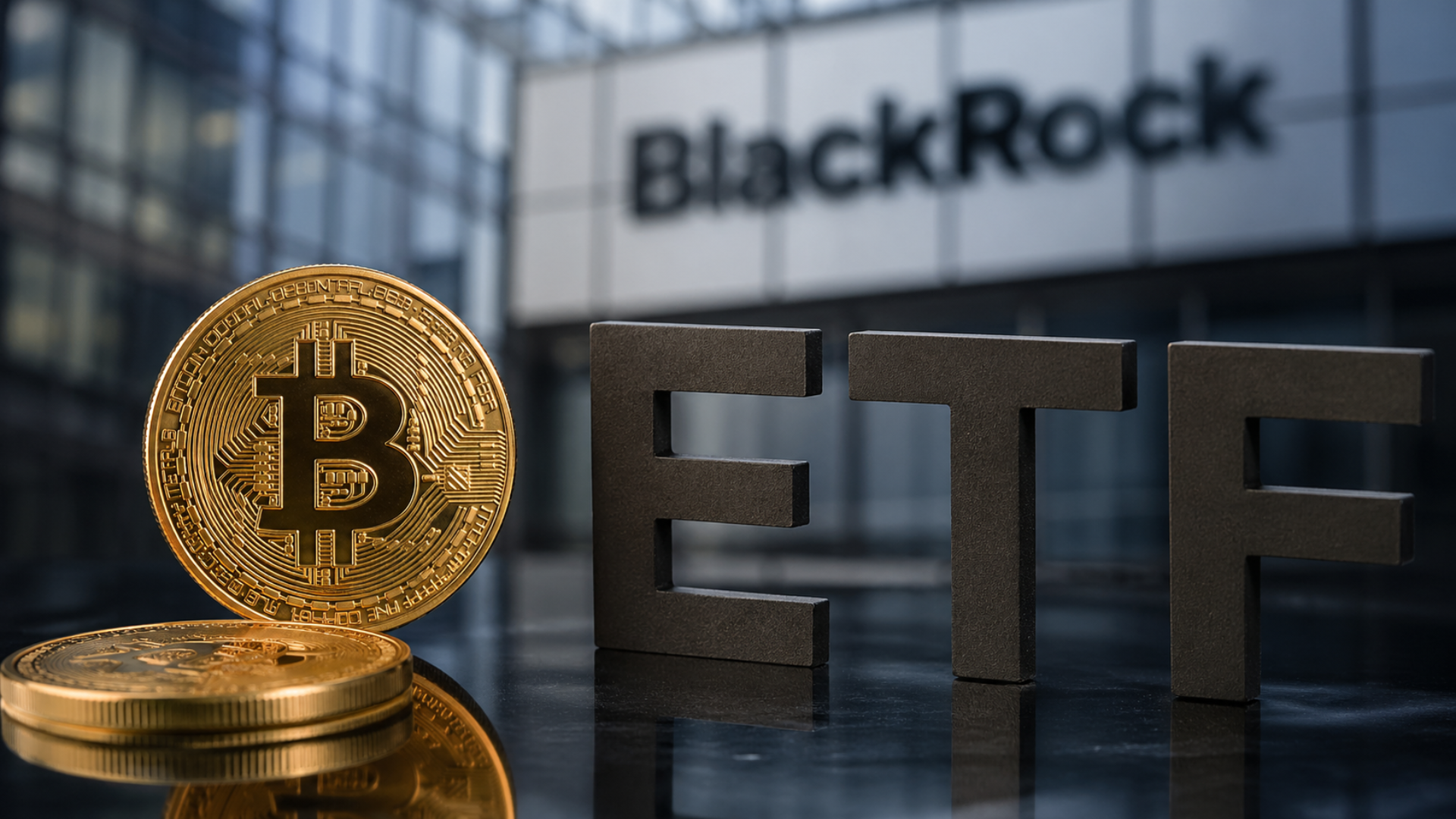
BlackRock entered the Bitcoin market in January 2024 with the iShares Bitcoin Trust (IBIT). Within months, it became the fastest-growing ETF in the history of the product category, surpassing gold ETFs that took years to reach the same milestones. The launch of IBIT did not just give investors another way to buy Bitcoin. It changed who buys Bitcoin and how that capital flows into the market.
What the BlackRock Bitcoin ETF Actually Is
IBIT is a spot Bitcoin ETF. That means the fund holds actual Bitcoin, not futures contracts. When investors buy IBIT shares, BlackRock uses those dollars to purchase real BTC, which it holds in custody through Coinbase Custody.
This structure matters for several reasons. Futures-based Bitcoin ETFs, which existed before 2024, created tracking errors because they rolled contracts monthly, adding cost and divergence from spot price. IBIT tracks Bitcoin’s actual price closely because it holds the underlying asset directly.
Why Institutions Prefer ETFs Over Direct Bitcoin Ownership
Many institutional investors face restrictions that prevent them from holding crypto assets directly. Pension funds, insurance companies, registered investment advisors, and endowments often operate under mandates that limit or prohibit direct digital asset ownership. An ETF fits within existing regulatory and operational frameworks these institutions already use for equities and commodities.
IBIT solves several problems at once for these buyers:
- No need to set up crypto custody infrastructure
- No risk of wallet mismanagement or key loss
- Trades through standard brokerage accounts
- Fits within existing compliance frameworks
- Provides daily liquidity at market price
This accessibility unlocked a buyer segment that simply could not participate in Bitcoin previously, regardless of investment thesis.
How IBIT Inflows Are Affecting Bitcoin’s Market Structure
IBIT and other spot Bitcoin ETFs collectively pulled billions in net inflows during their first year. BlackRock’s IBIT alone accumulated over $50 billion in AUM by mid-2024. These inflows represent new capital entering the Bitcoin market from sources that previously had no access.
Each dollar flowing into IBIT requires BlackRock to purchase an equivalent amount of BTC. This creates a persistent, non-speculative demand channel. Unlike retail traders who buy and sell frequently, institutional allocators through IBIT tend to hold positions for months or years. Their BTC moves off the market and into long-term custody.
The effect on supply is real. Bitcoin’s circulating supply is fixed. As ETF products absorb more BTC into long-term institutional custody, liquid supply on exchanges declines. Reduced exchange supply with sustained demand creates upward price pressure over time.
For investors who prefer direct Bitcoin ownership rather than ETF exposure, Coinbase and Kraken offer direct BTC purchase with strong regulatory standing. Direct holders should store BTC in hardware wallets like Ledger or Trezor rather than leaving it on exchanges. The Bitcoin savings account overview covers additional options for earning yield on BTC holdings outside of ETF structures.
Frequently Asked Questions
What is the ticker for BlackRock’s Bitcoin ETF?
BlackRock’s Bitcoin ETF trades under the ticker IBIT on the Nasdaq. It launched on January 11, 2024, the same day as several other spot Bitcoin ETF approvals.
Does IBIT hold real Bitcoin?
Yes. IBIT is a spot Bitcoin ETF that holds actual BTC in custody through Coinbase Custody. This differentiates it from futures-based ETFs that hold Bitcoin contracts rather than the underlying asset.
How big is BlackRock’s Bitcoin ETF?
IBIT reached $50 billion in assets under management faster than any ETF in history, surpassing milestones that gold ETFs took years to achieve. It consistently ranks among the largest Bitcoin ETFs by AUM.
Can retail investors buy IBIT?
Yes. IBIT is available through any brokerage account that trades Nasdaq-listed securities. Retail investors can buy it through Fidelity, Schwab, TD Ameritrade, and most major brokers.
Is buying IBIT the same as owning Bitcoin?
No. IBIT gives you price exposure to Bitcoin without direct ownership. You do not hold private keys or actual BTC. If your goal is self-custody or using Bitcoin in transactions, direct ownership through a regulated exchange and hardware wallet is the appropriate path.