Key Takeaways
- Russia’s leading exchange will launch crypto indices on May 13 that track SOL, XRP, TRX, and BNB, using global exchange price data.
- Binance will provide 50% of the data, while Bybit, OKX, and Bitget share the rest. This helps the index better reflect real market prices.
- Selected assets like SOL, XRP, TRX, and BNB were chosen for liquidity and strong global trading activity across major crypto markets.
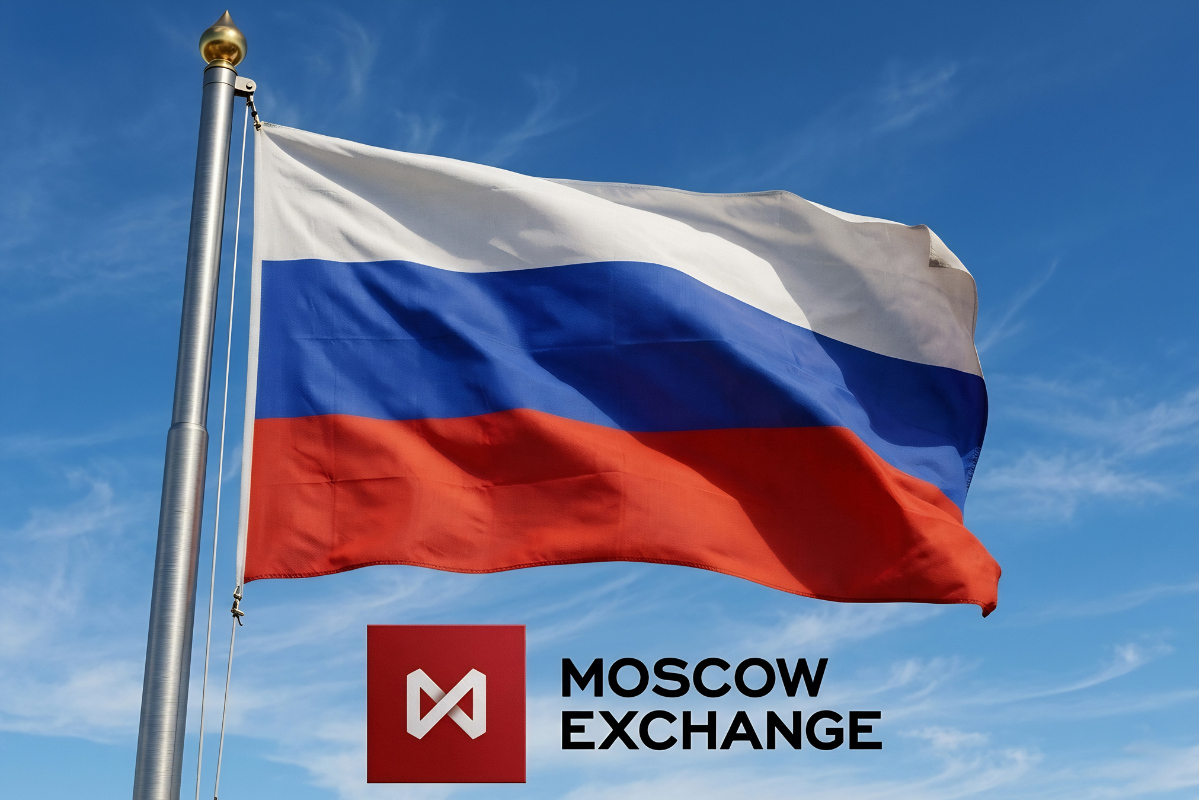
Russia is set to expand its regulated digital asset system with the launch of new crypto indices on the Moscow Exchange, another step toward bringing crypto benchmarks into traditional finance. The rollout is scheduled for May 13 and will introduce four indices tracking major digital assets: Solana (SOL), XRP, TRON (TRX), and Binance Coin (BNB).
The Moscow Exchange is developing the initiative and will use combined price data from several global crypto exchanges, including Binance, Bybit, OKX, and Bitget. This approach is meant to provide a more balanced view of market prices across platforms and reduce reliance on a single exchange.
New Phase in Russia’s Crypto Market Index Plans
Building on this rollout, the Moscow Exchange will calculate the new indices using price data from several major trading platforms. Around 50% of the data will come from Binance, while Bybit will provide 20%. OKX and Bitget will each account for 15%. This setup is designed to better reflect real trading activity across the global crypto market.
The move is part of Russia’s wider effort to bring crypto into a regulated financial system. By creating structured benchmarks for major digital assets, the exchange aims to give institutions more stable and reliable reference points for the crypto sector.
Access to products linked to these indices will be limited to professional investors only, with retail users excluded. This shows Russia’s cautious, step-by-step approach to crypto adoption under strict oversight. MOEX also plans to expand the index list to as many as 10 assets, with possible additions like Dogecoin, Cardano, Hyperliquid, and Chainlink, which could later support new crypto-based derivatives.
Why These Assets Were Chosen
The choice of assets is not random; it is clearly planned. Solana (SOL), XRP, TRON (TRX), and Binance Coin (BNB) are all large, well-known cryptocurrencies with strong trading volume and high liquidity around the world.
Each token also represents a different part of the crypto market. Solana is known for fast blockchain performance and apps, while XRP focuses on cross-border payments. TRON is widely used for stablecoin transfers, especially USDT, and BNB is linked to one of the biggest crypto exchange ecosystems. Together, they give a wider view of the crypto market instead of focusing on just one area.
Implications and Key Limits
With these assets, the Moscow Exchange is building a regulated way to track the crypto market. This could later support new financial products like futures or other investment tools, allowing professional investors in Russia to get crypto exposure through local regulated markets instead of offshore platforms.
Still, there are limits. The indexes rely on price data from foreign exchanges such as Binance, Bybit, OKX, and Bitget, so they are affected by global market conditions. Issues like sanctions, changing rules, and Russia’s crypto laws may also affect how far these products can grow in the future.
Final Thoughts
Overall, the launch of these crypto indices shows Russia is slowly bringing digital assets into its regulated financial system. By combining market data from major exchanges like Binance, Bybit, OKX, and Bitget, the Moscow Exchange aims to build more accurate and stable benchmarks for institutions. At the same time, the rollout remains tightly controlled, with access limited to professional investors only, and future growth depends on regulation and global market conditions. While it marks progress toward structured crypto adoption, its long-term impact will depend on how Russia balances regulation, access, and international market pressures.
Frequently Asked Questions
What is Russia’s new crypto index project about?
It is a set of regulated crypto indices introduced by Russia’s leading exchange to track the performance of major digital assets such as SOL, XRP, TRX, and BNB, using global market pricing data.
When will the crypto indices launch?
The rollout is planned for May 13, marking a new step in Russia’s effort to bring crypto benchmarks into its regulated financial system.
Why is Binance given the largest share of data?
Binance accounts for about 50% of the input due to its large global trading volume and liquidity, making it a key indicator of overall market activity.
Why did the exchange choose these specific crypto assets?
SOL, XRP, TRX, and BNB were selected because they are widely traded, highly liquid, and represent different sectors of the crypto market, from payments to smart contracts and exchange ecosystems.
Will more assets be added in the future?
The exchange plans to expand the index list to up to 10 assets, with potential additions such as Dogecoin, Cardano, Hyperliquid, and Chainlink.