Key Takeaways:
- Binance suspended all Naira services including P2P in February 2024, making direct NGN trading impossible on the platform
- Nigerian users now use alternative P2P platforms like Bybit, Busha, and Quidax to buy USDT, then transfer to Binance for trading
- All 2026 crypto transactions in Nigeria require Tax Identification Number (TIN) and National Identification Number (NIN) compliance
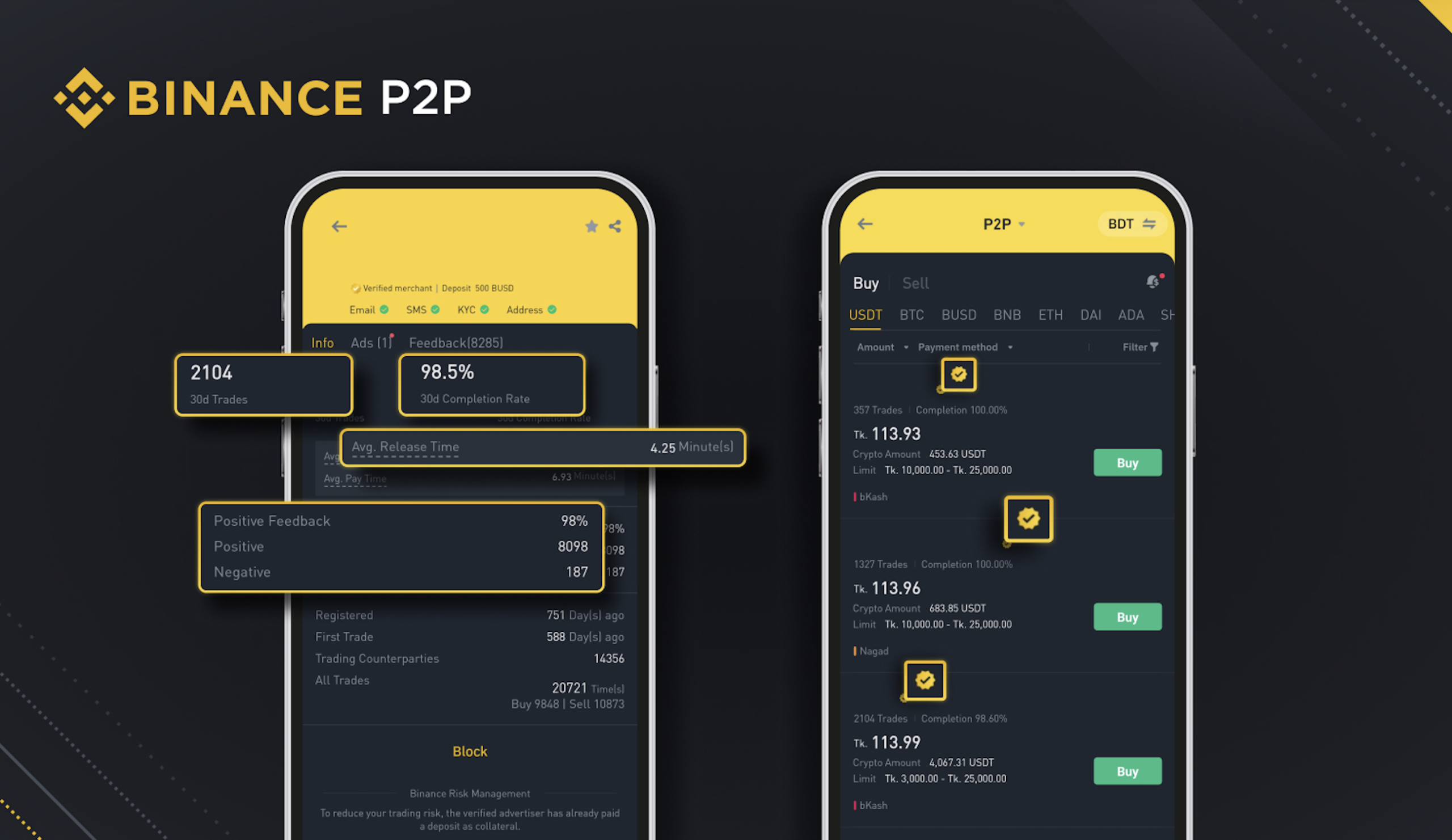
Binance officially suspended all Naira services in February 2024. The platform removed NGN/USDT and other Naira pairs from P2P marketplace completely. Nigerian users can no longer buy or sell crypto directly with Naira on Binance. The Nigerian SEC declared Binance operations illegal as an unregistered entity. However, Nigerians still access Binance for crypto-to-crypto trading through workarounds.
What Happened to Binance P2P in Nigeria?
The complete shutdown of Naira services changed how Nigerians use Binance. Understanding the current restrictions helps navigate available options safely.
Why Did Binance Stop Supporting Naira?
Regulatory pressure from Nigerian authorities forced Binance’s withdrawal. The Securities and Exchange Commission issued circulars declaring Binance unregistered. Operating without local registration became legally untenable for the platform. Compliance costs and regulatory uncertainty pushed Binance to exit.
The February 2024 suspension removed all direct Naira functionality. P2P marketplace no longer lists NGN trading pairs. Direct bank deposits and withdrawals stopped completely. Nigerian users lost their primary crypto on-ramp immediately.
Local telecom providers now frequently block Binance domain access. Users need VPNs to reach the platform regularly. This adds friction to an already complicated situation. The blocks aim to enforce regulatory compliance.
What Regulations Affect Crypto Trading Now?
New 2026 regulations tightened crypto transaction requirements significantly. All trades must link to Tax Identification Numbers now. National Identification Numbers became mandatory for platform registration. This applies across all Nigerian crypto platforms.
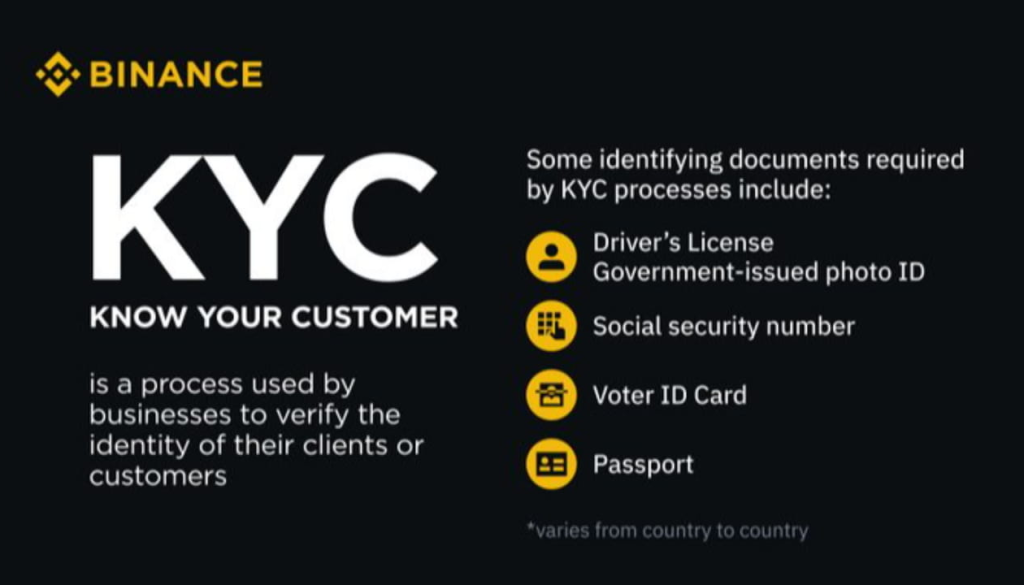
KYC verification transformed from optional to absolutely required. Platforms operating without proper identity checks face penalties. The government tracks crypto transactions more aggressively. Anti-money laundering enforcement increased substantially.
Licensed platforms must operate under SEC’s regulatory framework. The Accelerated Regulatory Incubation Program (ARIP) provides compliance path. Unlicensed platforms face legal action and blocking. Understanding crypto remittance regulations helps navigate this environment.
How Do Nigerians Use Binance Without P2P?
Creative workarounds let Nigerians continue using Binance services. The process requires multiple platforms but remains functional. Understanding the flow prevents costly mistakes.
What’s the Three-Step Binance Workaround?
The current method involves buying crypto elsewhere first. Alternative P2P platforms supporting Naira handle initial purchases. You buy USDT or other stablecoins on these platforms. Then transfer crypto to your Binance wallet address.
Once crypto reaches Binance, full trading features unlock. Spot trading, futures, and other services work normally. Binance’s advanced tools remain accessible to Nigerian users. The platform functions identically to other countries once funded.
Cashing out requires reversing the process entirely. Transfer crypto from Binance back to alternative platforms. Sell through their Naira P2P marketplaces. Receive Naira directly to your Nigerian bank account.
Here’s the complete workflow breakdown:
- Register on alternative P2P platform supporting Naira
- Complete KYC verification with TIN and NIN
- Buy USDT through their Naira P2P marketplace
- Transfer USDT to your Binance Funding Account
- Trade normally on Binance spot or futures
- Transfer crypto back to alternative platform
- Sell for Naira through their P2P marketplace
- Withdraw Naira to your local bank account
Which Alternative Platforms Support Naira P2P?
Several platforms filled the gap left by Binance’s exit. Each offers different features and advantages for Nigerian users.
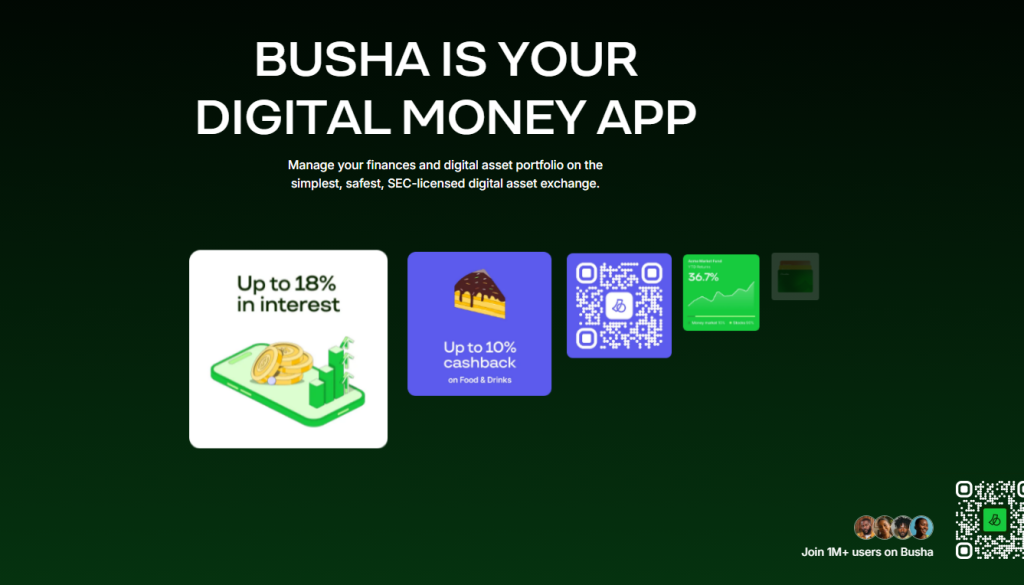
Busha operates under SEC’s regulatory framework with ARIP license. The platform provides direct Naira on-ramps and off-ramps legally. Compliance makes it safer than unlicensed alternatives. Trading fees stay competitive with former Binance rates.
Quidax holds similar regulatory standing under ARIP program. Nigerian users access Naira deposits and withdrawals directly. The exchange supports multiple cryptocurrencies beyond just Bitcoin. Customer support responds in local time zones.
Bybit emerged as popular centralized alternative for Nigerians. The platform maintains active NGN P2P marketplace currently. Trading volume stays high ensuring quick order fills. Understanding how to choose exchanges helps evaluate options properly.
Breet specializes in OTC conversions between crypto and Naira. The platform handles larger transactions without P2P marketplace. Direct conversion suits users wanting simpler processes. Rates often beat P2P marketplace spreads slightly.
Paxful continues operating global P2P marketplace in Nigeria. The platform connects buyers and sellers directly. Multiple payment methods beyond just bank transfers. However, regulatory uncertainty clouds its future.
What Are Current Naira Exchange Rates?
P2P marketplace rates fluctuate daily based on supply and demand. Understanding typical ranges prevents overpaying for crypto purchases.
How Much Does $1 USDT Cost in Naira?
Current exchange rates typically range ₦1,400 to ₦1,600 per dollar. The spread depends on payment method and platform used. Bank transfers usually offer better rates than other methods. Larger transactions sometimes negotiate better pricing.
Rates vary between platforms by ₦20-50 per dollar commonly. Checking multiple platforms before trading saves money. Weekend rates often include wider spreads than weekdays. Supply and demand shift constantly affecting pricing.
Official bank exchange rates sit lower than P2P rates. The difference covers crypto seller risks and profits. Expecting P2P rates matching official rates leads to disappointment. The premium pays for crypto access and convenience.
How Can You Trade Safely in Nigeria?
Safety becomes more important with increased regulatory scrutiny. Following best practices prevents losses and legal issues.
What KYC Requirements Apply Now?
Every legitimate platform requires full identity verification. Tax Identification Numbers link all crypto transactions now. National Identification Numbers verify your identity completely. Submitting these documents became non-negotiable for compliance.
Platforms without KYC requirements operate illegally now. Using unregistered services risks fund loss and legal problems. The government increasingly cracks down on non-compliant platforms. Stick with licensed options despite extra paperwork.
Verification typically takes 24-48 hours on major platforms. Submit clear photos of required documents upfront. This prevents delays when you need quick access. Learning about wallet security complements KYC compliance.
What Scams Target Nigerian Crypto Users?
Telegram and WhatsApp “agents” claiming Binance affiliation run common scams. They offer to help with Naira withdrawals for fees. These are always fraudulent schemes stealing your crypto. Legitimate platforms never use personal messaging apps.
Fake P2P listings on marketplaces try stealing funds. Sellers disappear after receiving Naira without sending crypto. Always use platform escrow services protecting both parties. Check seller ratings and completed trade volumes carefully.
Phishing websites mimicking legitimate exchanges capture login credentials. Always verify exact URLs before entering passwords. Bookmark trusted platform addresses preventing typo mistakes. Enable two-factor authentication on all crypto accounts.
What’s the Future of Binance in Nigeria?
The regulatory situation remains fluid and uncertain. Binance might return if compliance with Nigerian requirements becomes viable. But current stance suggests extended absence likely.
Alternative platforms will continue serving Nigerian market needs. Competition between licensed providers benefits users through better rates. The ecosystem adapts quickly to regulatory changes.
Government priorities focus on controlling crypto capital flows. Regulations will likely tighten further rather than relax. Staying informed about regulatory changes prevents compliance issues.
Frequently Asked Questions
Can I still use Binance P2P in Nigeria in 2026?
No, Binance suspended all Naira P2P services in February 2024. The platform removed NGN trading pairs completely. Nigerian users must buy crypto on alternative platforms like Bybit or Busha, then transfer to Binance for trading.
Which platforms support Naira crypto trading now?
Busha and Quidax operate under Nigerian SEC licenses offering direct Naira trading. Bybit maintains active NGN P2P marketplace. Breet provides OTC conversion services. Paxful continues global P2P operations though regulatory status remains uncertain.
Do I need TIN and NIN for crypto trading?
Yes, 2026 regulations require Tax Identification Number and National Identification Number for all crypto transactions in Nigeria. Every licensed platform demands these during KYC verification. Trading without proper identification became illegal.
What’s the current USDT to Naira exchange rate?
USDT trades between ₦1,400 to ₦1,600 per dollar on P2P marketplaces currently. Rates fluctuate daily based on supply and demand. Bank transfer payments typically offer better rates than other methods.
Is using VPN to access Binance safe in Nigeria?
VPN use helps bypass ISP blocks of Binance domain. However, Binance remains unregistered with Nigerian SEC making its operations technically illegal. Using licensed alternatives like Busha or Quidax provides safer legal compliance.