Key Takeaways
- The White House will meet with Coinbase, banks, and crypto groups on Feb 2, 2026, to resolve delays on the CLARITY Act and crypto legislation.
- Tensions rose after Coinbase CEO Armstrong withdrew support for a Senate Banking Committee draft bill over stablecoin interest limits.
- The conflict highlights growing competition between traditional banks and crypto platforms offering yield-bearing digital assets.
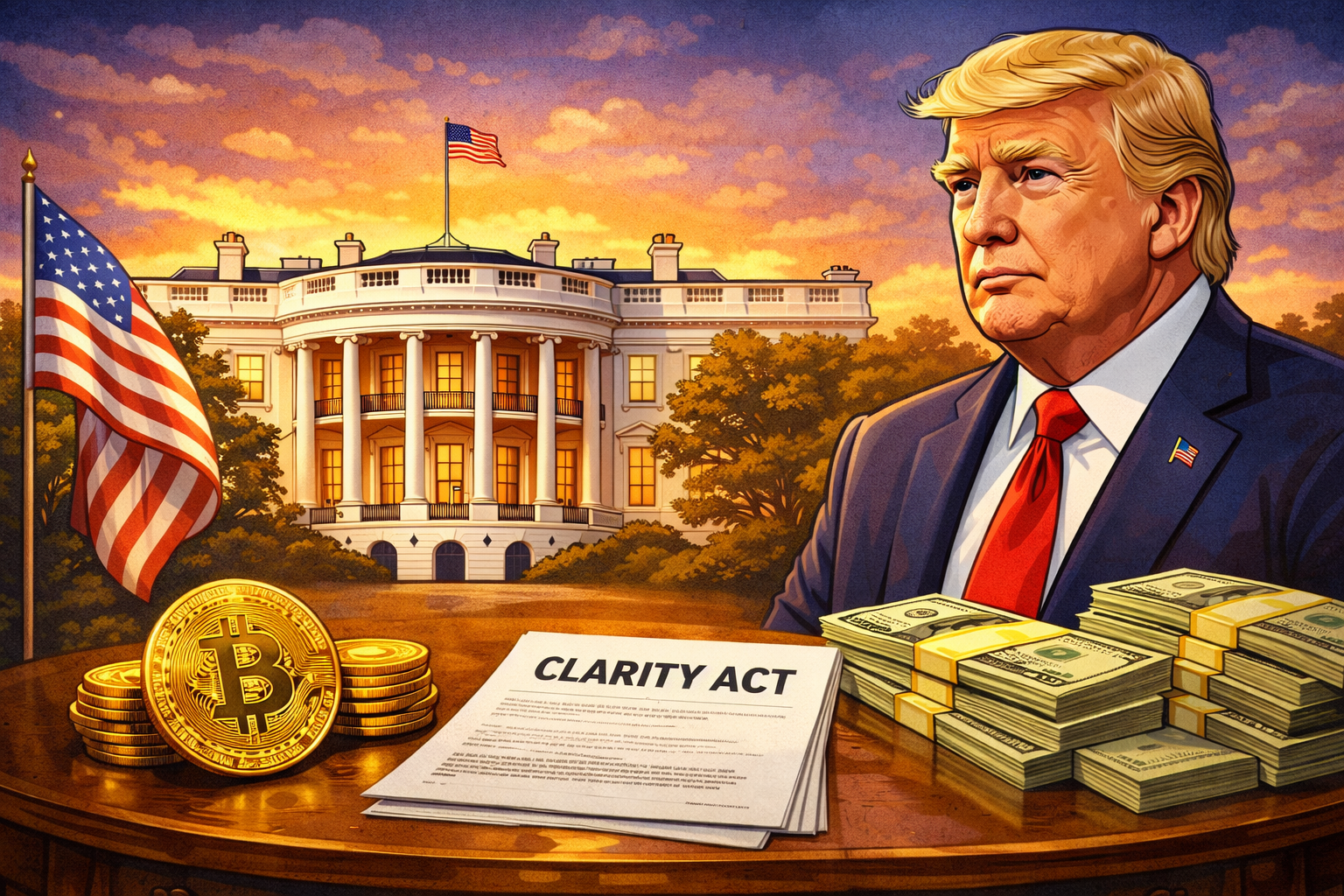
The White House, under President Donald Trump, is set to convene leaders from both traditional finance and the crypto sector on Monday, February 2, 2026, in a closed-door meeting aimed at breaking the delay over major digital asset legislation, according to three industry insiders. The meeting will bring together executives from Coinbase, major U.S. banks, and crypto industry groups, with the stalled CLARITY Act at the center of the agenda.
The session, led by the White House’s crypto council under the Trump administration, comes after tension grew when Coinbase CEO Brian Armstrong stopped supporting a draft bill from the Senate Banking Committee earlier this month. The dispute centers on stablecoins, as banks are pushing to limit crypto platforms from offering interest or rewards on dollar-pegged tokens, arguing such programs could pull deposits away from the traditional banking system.
Crypto companies oppose those limits, saying interest and reward features are important for attracting users and supporting innovation. Talks have dragged on without a breakthrough, delaying a planned Senate vote. While the bill is meant to clarify which federal agencies oversee the crypto market, recent changes shifted more influence toward banking regulators, drawing criticism from the crypto sector. The standoff highlights rising competition between banks and crypto firms as yield-bearing digital assets challenge traditional savings products.
Trump Set to Sign Crypto Market Structure Bill Soon
Speaking at the World Economic Forum in Davos last week, President Donald Trump highlighted his administration’s focus on the cryptocurrency sector. “I’m also working to ensure America remains the crypto capital of the world,” he said, pointing to last year’s passage of the landmark Genius Act.
Trump emphasized that Congress is actively shaping the crypto market through legislation covering Bitcoin, stablecoins, and broader market structures. “Now Congress is working very hard on crypto market structure, legislation, Bitcoin, all of them, which I hope to sign very soon.” he added.
The president also highlighted the benefits of his crypto initiatives, saying they position the U.S. as a global leader in digital assets, promote innovation, create new financial opportunities, and strengthen the country’s influence on crypto regulations, while also reinforcing domestic political support.
Investors Turn to Crypto as Dollar Weakens
Cryptocurrency prices have been rising alongside a weakening U.S. dollar, a trend analysts describe as a “debasement trade,” where investors turn to crypto as a potential hedge. The market movement comes as President Trump emphasizes U.S. leadership in digital assets and advances efforts to clarify crypto regulations through the CLARITY Act. The dollar’s decline appears to be supporting demand for digital assets, illustrating how shifts in traditional markets and policy developments can influence investor behavior.
Banks, Crypto Firms, and the CLARITY Act
The White House meeting could be a turning point for U.S. crypto rules. With banks and crypto companies at odds, the decisions made here will shape how stablecoins and interest-paying digital assets operate. As President Trump pushes to keep the U.S. at the forefront of crypto, the outcome of the CLARITY Act will impact innovation, investors, and the balance between traditional finance and the growing digital asset market. How regulators navigate this tension could set the tone for global crypto standards for years to come.
Frequently Asked Questions
What is the purpose of the White House meeting on February 2, 2026?
The meeting brings together leaders from Coinbase, major banks, and crypto groups to address delays in the CLARITY Act and other digital asset legislation.
What is the CLARITY Act?
The CLARITY Act is pending legislation designed to define regulatory responsibilities for crypto markets, including oversight of stablecoins and digital assets.
Why do banks want to restrict interest on stablecoins?
Banks argue that interest-bearing crypto products could draw deposits away from traditional banks, threatening the stability of conventional financial systems.
How could this meeting affect the crypto industry?
The meeting could shape how stablecoins and yield-bearing crypto are regulated, affecting innovation, investment, and competition with banks.