Key Takeaways
- Arthur Hayes says rising US-Iran tensions could shake markets and cryptocurrencies, so investors should pay close attention.
- Hayes points out that major geopolitical flare-ups often lead the Fed to cut rates and add liquidity, which can boost crypto.
- Bitcoin may benefit from Fed easing, but Hayes advises patience, urging traders to wait for clear market signals before moving.
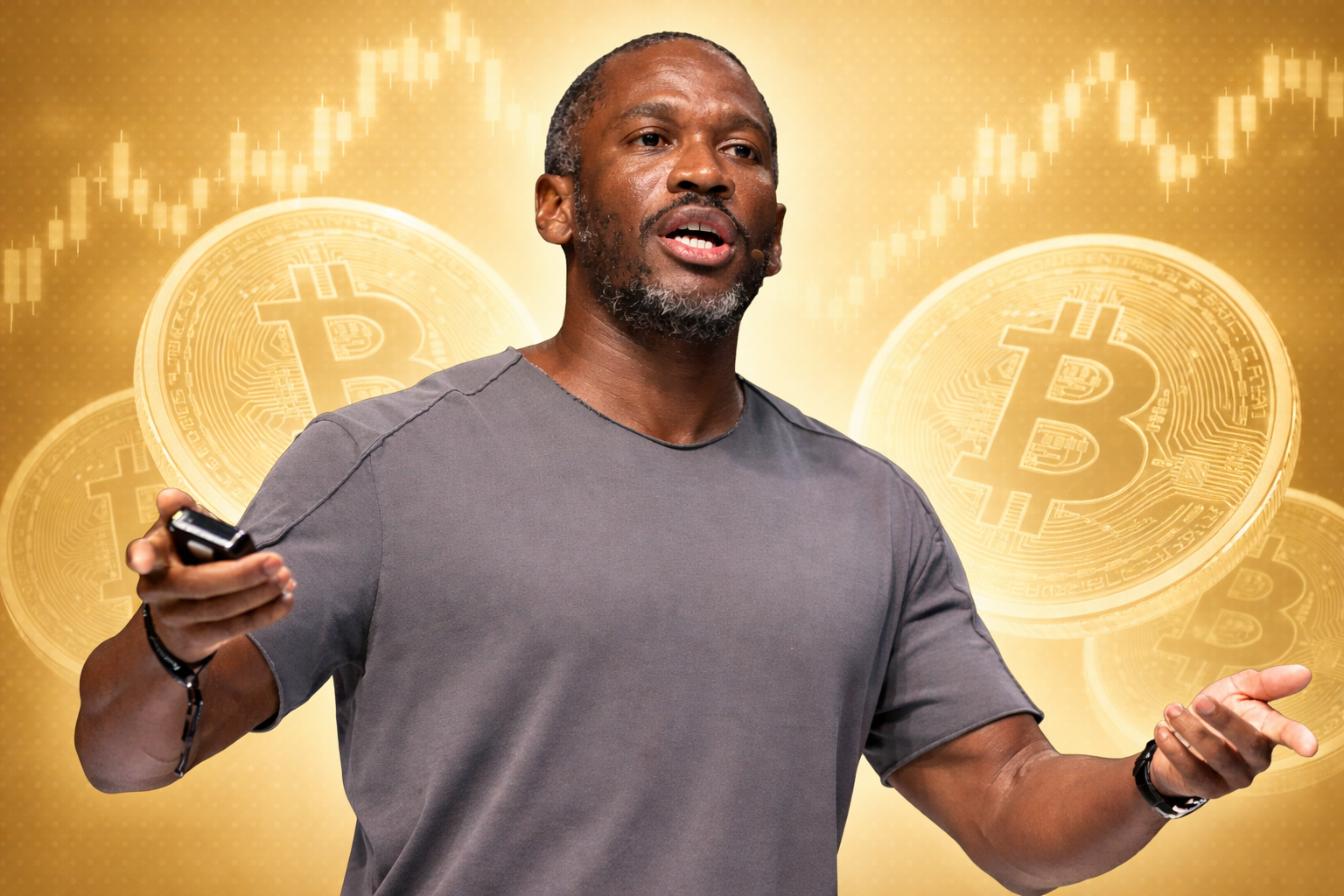
Arthur Hayes, co-founder of BitMEX, is sounding the alarm about rising tensions between the United States and Iran and what they could mean for global markets. In a March 2 essay titled “iOS Warfare,” Hayes explained how any new spike in conflict in the Middle East could deeply impact the cryptocurrency world. He pointed out that investors should pay close attention, since history shows these kinds of events often set off wider economic reactions.
As the US-Iran War crypto impact unfolds, crypto investors are watching closely. Bitcoin and other cryptocurrencies have already seen sharp swings, and everyone is paying attention to how central banks might respond with interest rates and liquidity. As Hayes points out, these moves can bring both risks and opportunities for people in the crypto market.
Looking at history over the past forty years, Hayes sees a clear pattern: whenever tensions in the Middle East flare up, the Federal Reserve tends to cut interest rates and flood the system with liquidity. He stated that:
“The longer Trump engages in the extremely costly activity of Iranian nation-building, the higher the likelihood the Fed lowers the price and increases the quantity of money to support Pax Americana’s latest bout of Middle Eastern adventurism.”
In other words, expensive military actions often push the Fed to make money cheaper and more abundant, which can unintentionally create favorable conditions for riskier assets like Bitcoin.
Bitcoin Could Rise, Hayes Says, But Don’t Rush
Hayes thinks Bitcoin could see gains over time from these conditions, even though it has recently pulled back. Right now, the cryptocurrency is hovering around $65,800, well below its October 2025 peak of $126,000. He pointed out that when the Fed loosens policy during crises, it often makes Bitcoin more attractive as a hedge against inflation and a way to store value outside traditional finance.
At the same time, Hayes warned against rushing in. He advised traders to be patient and wait for clear market signals before making any moves. In his view, understanding both the timing of geopolitical events and the Fed’s response is key to navigating volatility and positioning for Bitcoin’s long-term potential.
Hayes Urges Waiting for Fed Signals Before Buying Bitcoin
Even with a bullish long-term outlook, Hayes cautioned investors against rushing in. He stressed that patience is key, recommending that traders wait for clear market signals before making any major moves. According to him, timing exposure to Bitcoin and select altcoins around central bank actions could make a big difference.
“We do not know how long Trump will remain interested in spending billions, if not trillions, of dollars reshaping Iran’s politics to his liking,” Hayes Added. “The prudent action is to wait and see.”
Once those signals appear, such as rate cuts or fresh liquidity injections from the Federal Reserve, investors may have a better chance to increase their crypto holdings. Hayes’ message is a reminder to stay measured and thoughtful in a volatile geopolitical and financial climate.
How the US-Iran War Is Shaping the Crypto Market
Crypto Platforms and Trading Challenges
The US-Iran war is putting crypto platforms to the test. Exchanges and wallets may experience temporary disruptions as networks and payment systems adjust, making it more difficult for traders to move funds.
Capital Flows and Safe-Haven Behavior
Investors are reacting in different ways. Some treat Bitcoin as a digital safe haven, while others move into stablecoins or fiat, creating sharp short-term swings. Tracking these flows can reveal market opportunities and risks.
Energy Costs and Mining
Conflicts in oil-producing regions can affect energy prices, which in turn impact crypto mining. Higher electricity or fuel costs can eat into miners’ profits, adding extra pressure to the market.
Sentiment-Driven Altcoin Moves
Media coverage and social media activity can drive sudden spikes or drops in certain altcoins, even if fundamentals remain unchanged. These sentiment-driven moves show how emotions and public perception can shape crypto markets during geopolitical crises.
Final Thoughts
Arthur Hayes is reminding crypto investors that the situation between the US and Iran isn’t just headlines; it could affect markets in a real way. History shows that major geopolitical flare-ups often push the Fed to loosen policy, which can make Bitcoin and other cryptocurrencies more appealing. But Hayes warns there’s no need to rush. Watching how the Fed responds and waiting for the right signals could make all the difference. For investors, staying patient, paying attention to the market, and understanding the bigger picture may be the smartest move in these uncertain times.
Frequently Asked Questions
Who is Arthur Hayes?
Arthur Hayes is the co-founder of BitMEX. He is known for his deep knowledge of crypto markets and how global events affect them.
What does he say about US-Iran tensions?
Hayes says rising tensions could shake both traditional markets and crypto, so investors should pay close attention.
How could the conflict impact Bitcoin?
Crises like this often push the Federal Reserve to ease monetary policy, making Bitcoin more appealing as an alternative asset.
Should investors rush to buy Bitcoin now?
No. Hayes recommends waiting for clear signs from the Fed, such as rate cuts or liquidity moves, before making any big moves.
Why does the Fed’s response matter for crypto?
Fed actions affect liquidity and borrowing costs. Easier money can boost demand for Bitcoin and other risk assets.