Key Takeaways
- Bitcoin developers proposed BIP-361 to freeze vulnerable early wallets, including those tied to Satoshi Nakamoto, before quantum threats become real.
- Early Bitcoin wallets from 2010 to 2011 used weaker cryptography, making them exposed to future quantum attacks that could break encryption and unlock funds.
- The BIP-361 would block outgoing transactions from affected wallets until they upgrade to quantum-resistant formats, without confiscating funds or removing balances.
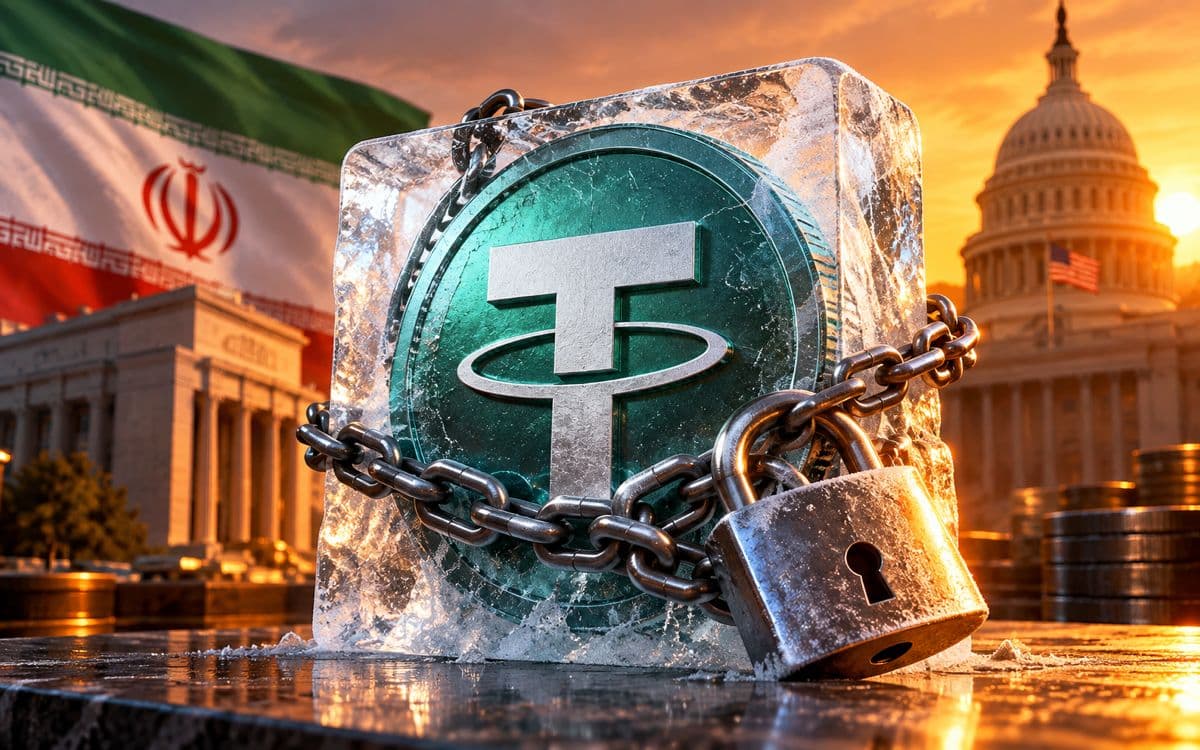
Bitcoin’s oldest wallets could soon be frozen, all because of a growing concern around quantum computing. A new proposal led by cypherpunk Jameson Lopp and other Bitcoin developers is getting attention across the crypto space. Known as BIP-361, it suggests permanently locking certain early Bitcoin addresses before quantum computers become strong enough to break into them.
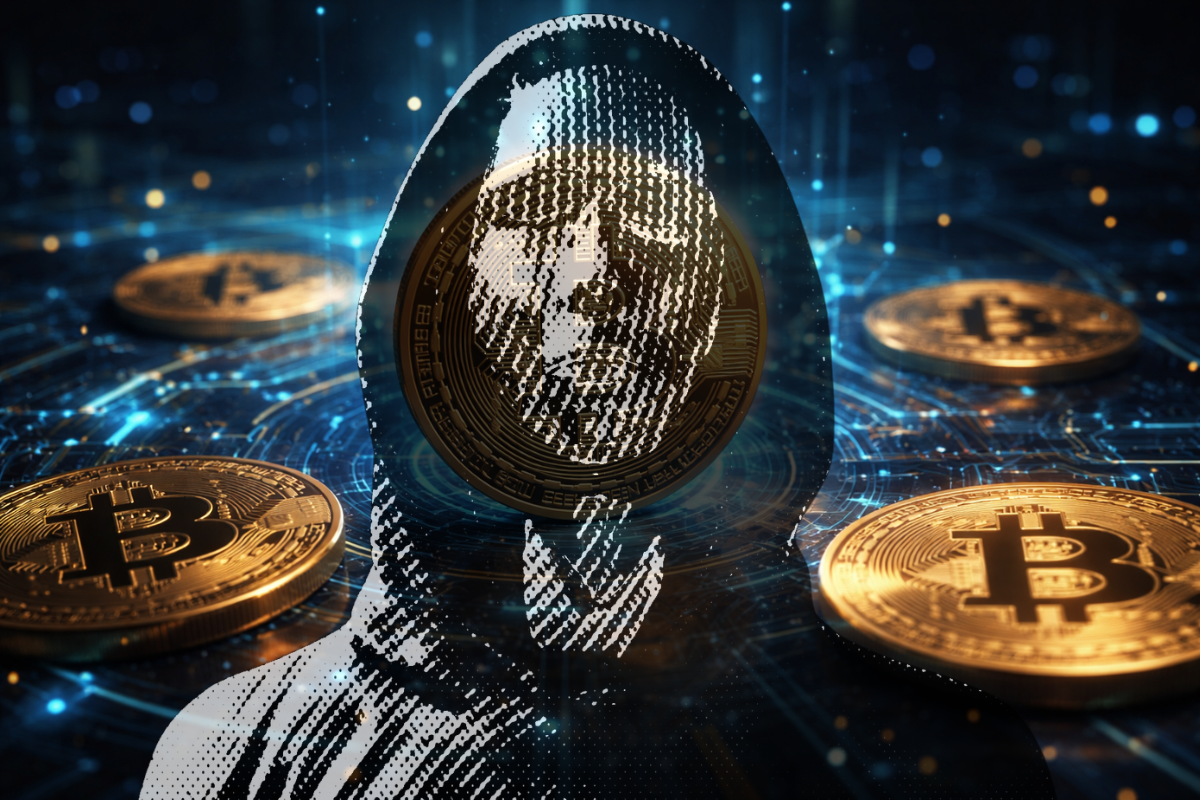
The focus is on wallets tied to Bitcoin’s early history, including those associated with Satoshi Nakamoto, Bitcoin’s anonymous creator, as well as thousands of inactive accounts untouched since 2010 and 2011.
These early wallets use older security systems that are weaker than today’s standards, making them easier targets as quantum technology improves. Developers say the aim is to act early, before that risk turns into a real problem.
Why These Wallets Are at Risk
Early Bitcoin wallets were built using older public key formats that reveal more information than the address types used today. At the time, that was not a problem. Now, it is a potential opening.
Quantum computers, once powerful enough, could exploit that exposed information to break the cryptographic algorithms protecting these wallets. Unlike traditional hacking, this would not require stealing a private key. A sufficiently advanced quantum machine could essentially derive one, giving an attacker full access to funds they never owned.
The threat is not here yet, but it is no longer being dismissed as fantasy either. Researchers and developers broadly agree that quantum computing will eventually reach a point at which current encryption standards fall short. BIP-361 is Bitcoin’s early answer to that inevitability, an attempt to take the most exposed wallets off the table before the window closes.
What BIP-361 Proposes
BIP-361 tackles the problem directly at the protocol level. Rather than waiting for wallet owners to act on their own, the proposal would freeze vulnerable addresses network-wide, blocking any outgoing transactions until the wallet is migrated to a more secure, quantum-resistant format.
In practice, this means affected wallets would not lose their funds, but they would lose the ability to move them until upgraded. It is a preventive lock, not a seizure. Key points of the proposal include:
- Network-wide freeze: Vulnerable addresses would be locked at the protocol level, not just flagged or warned.
- Migration path: Wallet owners can regain full access by upgrading to a modern, quantum-resistant address format.
- No fund confiscation: Frozen wallets retain their balance; only outgoing transactions are blocked.
The challenge is that many of these wallets have been inactive for over a decade and may never be touched again. Some are believed to belong to early Bitcoin adopters who have since lost access, and others are potentially linked to Satoshi Nakamoto. Whether those wallets still have living owners, or any owners at all, remains unknown.
BIP-361 would freeze them regardless, treating inactivity as a reason for caution rather than an exception.
A Massive Amount of BTC Involved
The wallets targeted by BIP-361 collectively hold over 4 million BTC, roughly 20 percent of Bitcoin’s entire 21 million coin supply. Most of it has not moved in over a decade. Satoshi Nakamoto’s holdings alone are estimated at around 1 million BTC, meaning a single successful quantum attack on those addresses could trigger one of the most destabilizing events in Bitcoin’s history.
The stakes go beyond price. If quantum computers compromised even a fraction of these wallets, it would not just flood the market with coins that have been out of circulation for years; it would signal that Bitcoin’s cryptographic foundation can be broken. That kind of breach would not only shake investor confidence, it could also fundamentally challenge trust in the entire network.
Debate Within the Community
Not everyone is on board with BIP-361. Some developers believe it is the right call, arguing that leaving vulnerable wallets open is a risk the network cannot afford to ignore. Their thinking is simple: if quantum computers catch up before Bitcoin is ready, the fallout could be devastating and nearly impossible to undo. Acting early, in their view, is just being responsible.
But a loud portion of the community disagrees. For them, the bigger issue is not quantum computers; it is the idea that Bitcoin’s code can be used to freeze someone’s funds at all. That goes against everything Bitcoin stands for. Some have voiced it plainly, saying they would rather let the market deal with those coins naturally if quantum-proof solutions are not ready in time, and most believe they will be within the next decade or two. The worry is not just about the wallets being frozen. It is about what kind of Bitcoin we are left with after the fact.
Final Thoughts
BIP-361 is still a proposal and has a long way to go before anything actually changes. It needs broad agreement from developers, miners, and node operators, and that process is slow by design. But whether it passes or not, the problem it is trying to solve is not going away. Quantum computing is moving faster than most people anticipated, and Bitcoin’s oldest wallets were never built with this threat in mind. The deeper question BIP-361 raises is not just about security. It is about what Bitcoin is willing to do to protect itself, and where it draws the line. That debate will define much of what Bitcoin looks like in the years ahead. Bitcoin has survived bigger debates before. How it handles this one will say a lot about where it is headed.
Frequently Asked Questions
What is BIP-361?
BIP-361 is a proposal by Bitcoin developers to freeze very old Bitcoin wallets that could be vulnerable to future quantum-computer attacks.
Why are Satoshi Nakamoto’s wallets included?
These wallets are part of Bitcoin’s earliest history and use older security methods that may be weaker against future quantum attacks.
What is the risk from quantum computing?
If quantum computers become powerful enough, they could break the security of older Bitcoin and access funds without needing a private key.
Will the frozen wallets lose their Bitcoin?
No. The proposal does not remove funds. It only blocks sending transactions until wallets are upgraded to safer formats.
Which wallets are affected?
Mainly, early Bitcoin wallets from around 2010 to 2011, including dormant addresses that have not been active for many years.