Key Takeaways
- The Strait of Hormuz shutdown is pushing fuel prices higher, putting pressure on families, businesses, and energy markets around the world.
- Bitcoin could become a safe haven as investors look for alternatives to protect their money from rising inflation and shaky markets.
- In the short term, Bitcoin may swing wildly as people sell assets to raise cash during the energy and geopolitical crisis.
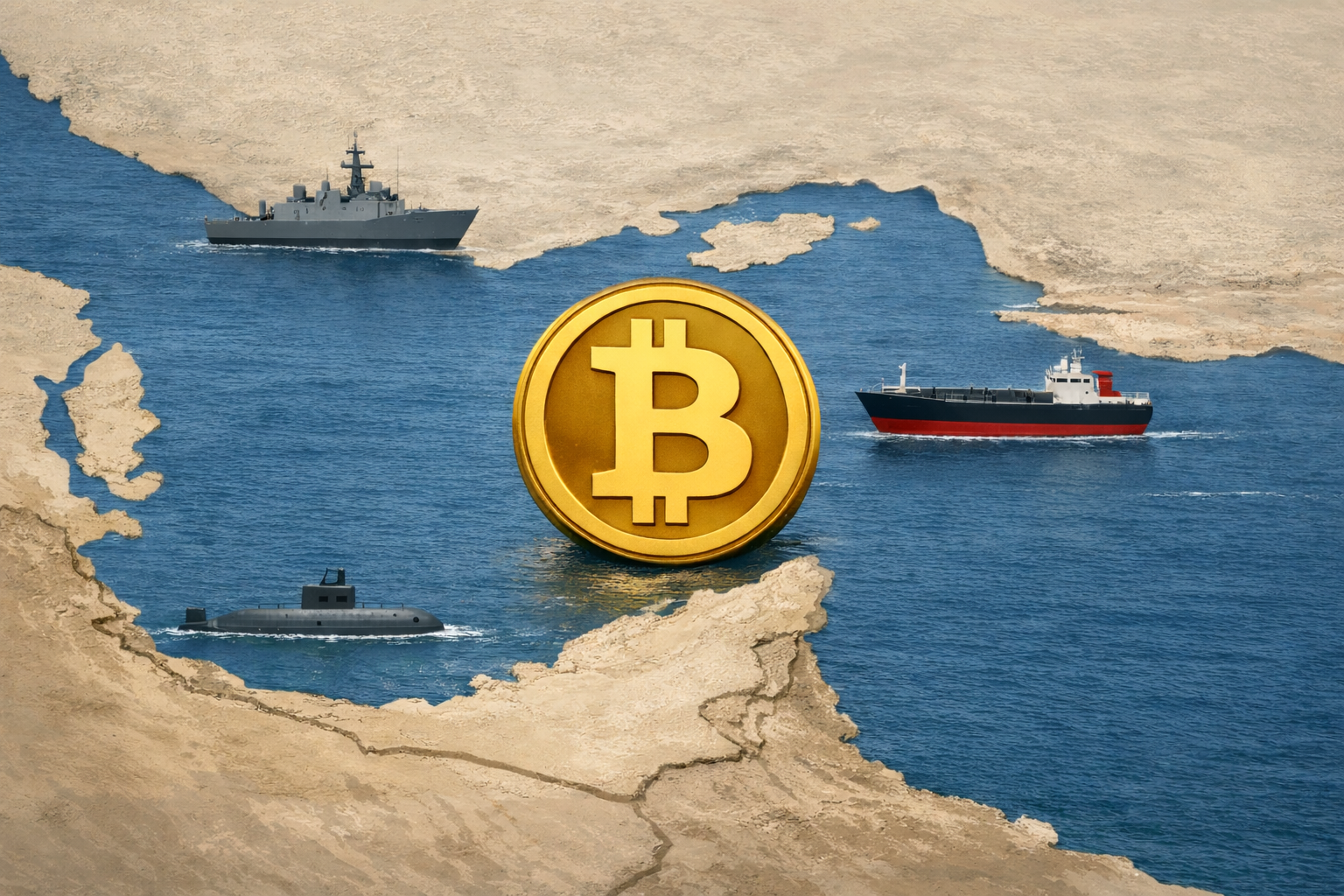
The Strait of Hormuz may be narrow, but it’s one of the most important shipping routes in the world, carrying a huge chunk of the planet’s oil and gas. Right now, it’s at the heart of a growing crisis. Recent military tensions involving the United States, Israel, and Iran have effectively stopped commercial traffic through the Strait.
Experts warn this could spark one of the worst energy shocks in decades, comparable to the major crises of the 1970s. Oil prices have shot up, countries that rely on imported fuel are feeling the pinch, and European energy stocks are tightening as reserves run low.
The impact is already being felt by everyday people. In the UK, gas reserves could last just a few days, leaving homes and businesses on edge. In Spain, drivers are lining up for hours at gas stations because fuel supplies are running short. Meanwhile, Brent crude oil has climbed past $100 per barrel, reaching highs we haven’t seen since 2022, as markets struggle to absorb the shock.
Amid all this, investors are keeping a close eye on Bitcoin (BTC). Could it act as a safe haven when traditional markets are shaky, or will it be dragged down along with them? Experts are now looking at three possible scenarios for Bitcoin if the Strait of Hormuz stays closed, giving a glimpse of how the crypto world could react to this serious global disruption.
Scenario 1: Bitcoin as a Safe-Haven Hedge
During times of geopolitical uncertainty, investors often move their money into traditional safe-haven assets such as gold to protect against market volatility. In recent years, Bitcoin has increasingly been viewed in the same way, often called “digital gold,” as it is considered by some to be a store of value that is independent of traditional financial systems.
If the energy crisis continues, with oil and gas supply disruptions lasting for weeks or months, some investors could turn to Bitcoin to hedge against rising inflation and weakening currencies. Higher energy prices can push up costs across the economy, increasing inflation expectations. In such an environment, assets that are not tied to government-issued currency or traditional markets may become more attractive.
Potential Market Implications
- Bitcoin prices could rise as investors seek alternatives to stocks, bonds, and other assets affected by the energy crisis.
- Institutional investment may grow, especially from regions hit hardest by energy price inflation.
- Growing adoption by payment networks and fintech platforms could boost demand during economic stress.
- Other factors, including market liquidity, regulation, and investor sentiment, will influence Bitcoin’s performance.
Market analysts caution that Bitcoin’s performance will depend on whether the crisis is seen as a short-term disruption or a long-term shift in global economic dynamics. Sustained supply shocks could strengthen Bitcoin’s role as a hedge, while a quick resolution might only lead to temporary price gains.
Scenario 2: Short-Term Volatility and Risk-Off Liquidations
Not every crisis is good for Bitcoin. In the immediate aftermath of a global liquidity crunch or “risk-off” market environment, investors often sell assets across the board to raise cash. History shows that sudden spikes in commodity prices or geopolitical shocks can trigger sharp sell-offs in both equities and cryptocurrencies before markets stabilize.
This was especially evident in February, when Bitcoin fell sharply to around $70,000 amid heightened market uncertainty. Investors quickly sold off positions in stocks, commodities, and cryptocurrencies, creating a short but intense wave of market volatility. Even widely followed digital assets like Bitcoin are not immune to these sudden panics, particularly when global events spark a rush for liquidity.
- Bitcoin prices could drop quickly in the hours or days after market stress hits.
- Trading activity may surge as investors and institutions adjust their positions.
- Leverage and funding rates could rise, making price swings even bigger.
- Investor confidence could fall, causing temporary overreactions in the market.
- Recovery may take time, as prices stabilize once the rush for cash eases.
Scenario 3: Long-Term Adoption Boost from Structural Changes
A prolonged energy-driven economic shock could push investors and institutions to rethink how they manage money. Persistent volatility in traditional markets such as stocks, bonds, and energy commodities may encourage more people to use decentralized digital assets, such as Bitcoin, for cross-border payments and portfolio diversification.
Economic uncertainty often leads investors to look for systems that are less tied to centralized banks and fiat currency risk. Over time, this could increase adoption of Bitcoin and related technologies, including digital wallets, on-chain settlements, and institutional custody services.
- Bitcoin adoption rises, as people and institutions look to protect wealth and manage risk.
- Crypto systems could grow, especially in countries facing high inflation or weak currencies.
- Digital wallets and professional custody services could see wider use, bringing Bitcoin closer to everyday finance.
- Blockchain-based payments may become more common, making cross-border transactions faster and less dependent on traditional banks.
Final Thoughts
The closure of the Strait of Hormuz isn’t just a headline; it’s a situation that could touch everyday people, from families struggling with rising fuel costs to businesses scrambling to secure energy. For investors, it’s a reminder of how fragile traditional markets can be and why alternatives like Bitcoin are drawing attention. Depending on how long the crisis lasts, Bitcoin could act as a safe haven, face short-term ups and downs, or see broader adoption as more people look for ways to protect and move their money. This moment highlights a simple truth: when global shocks hit, digital assets are becoming a real part of the conversation about financial security and resilience.
Frequently Asked Questions
What is the Strait of Hormuz, and why is it important?
The Strait of Hormuz is a narrow but vital waterway between Iran and Oman, carrying about 31% of the world’s seaborne oil. Its closure can significantly impact global energy supply and prices.
How is the Strait of Hormuz shutdown affecting global fuel prices?
The shutdown has caused oil prices to surge, putting pressure on families, businesses, and energy markets. Countries with low reserves, like the UK and Spain, are already experiencing shortages.
Why could Bitcoin act as a safe haven during this crisis?
Bitcoin is seen by some investors as “digital gold” and can serve as a hedge against inflation and unstable financial markets, particularly when traditional assets face volatility.
What factors will influence Bitcoin’s performance during this crisis?
Bitcoin’s performance depends on the duration of the crisis, market liquidity, regulatory developments, and investor sentiment. Short-term disruptions may cause volatility, while long-term shocks could strengthen Bitcoin’s role as a hedge.
What does this situation mean for investors?
This crisis is a wake-up call for investors, showing how quickly traditional markets can be shaken. It’s also a reminder that alternatives like Bitcoin can help protect and diversify wealth when uncertainty hits.