Key Takeaways
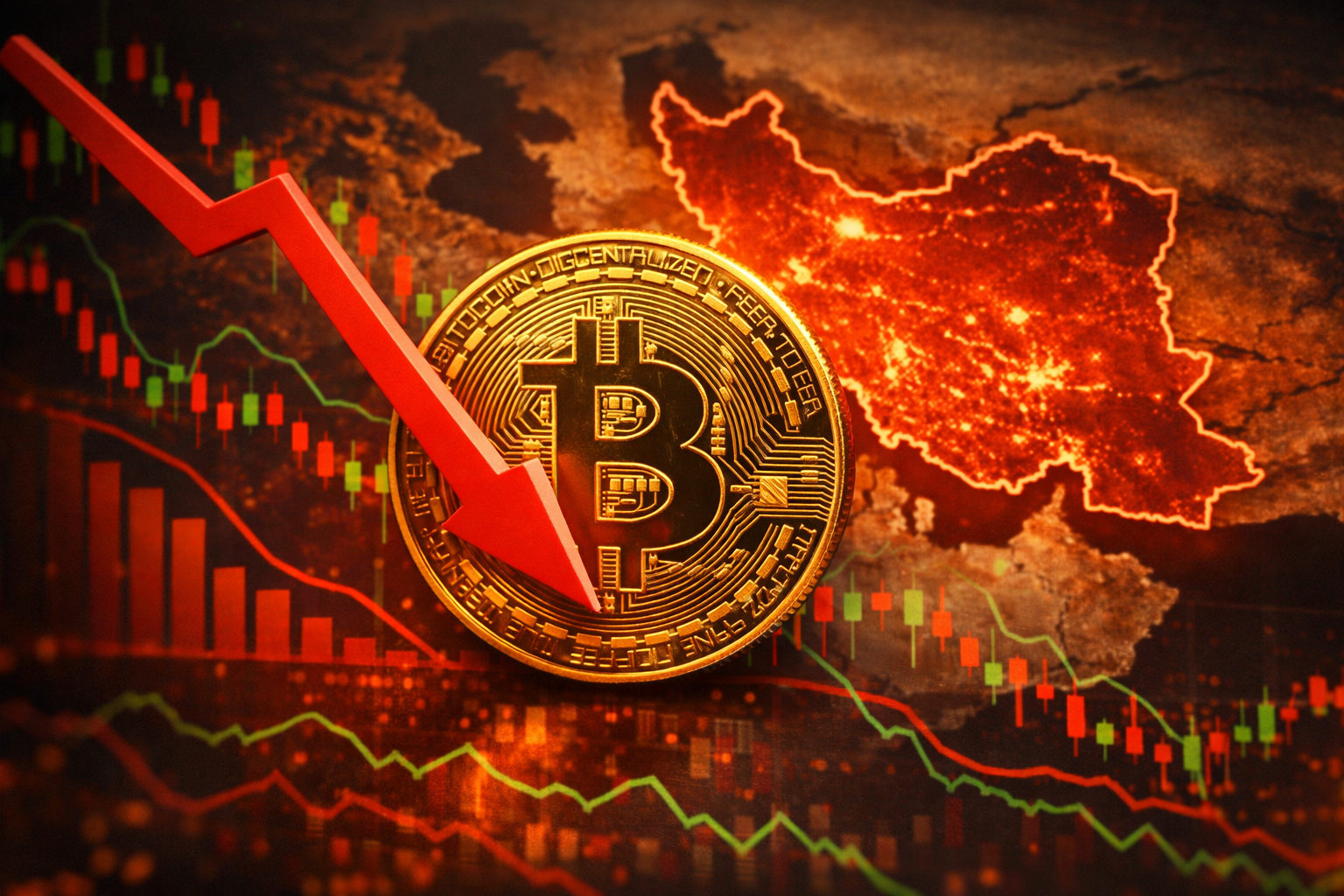
- Bitcoin’s price dipped below $64K after the Iran conflict escalated, showing crypto’s sensitivity to geopolitical tensions despite its safe-haven reputation.
- Bitcoin may drop sharply if the conflict in Iran worsens, but a total crash isn’t guaranteed; investor resilience could limit losses.
- Short-term volatility spiked as traders moved into safer assets such as gold and the US dollar amid initial fears of conflict.
With tensions rising in the Middle East and Iran at the heart of the conflict, global markets are on edge. Oil prices are climbing, tensions are rising, and investors are watching Bitcoin closely. Once seen as a safe haven in turbulent times, the cryptocurrency is now feeling the same ups and downs as traditional markets, leaving many to ask: Could Bitcoin crash if the war escalates?
Middle East Conflict Sends Shockwaves Through Markets
Bitcoin and the wider crypto market have been shaken by the sudden escalation in the Middle East, involving the United States, Israel, and Iran. After strikes on Iranian targets in late February 2026, Bitcoin fell from over $64,000, briefly dropping into the low $60,000s as caution spread through financial markets.
At the same time, oil benchmarks such as Brent and WTI jumped sharply, and other commodities like natural gas and corn also rose, showing how the conflict is already affecting global markets. Traditional stocks and risk assets felt the impact too, with prices swinging as investors reacted to the growing tension.
Bitcoin’s Initial Reaction: Panic, Then Stabilization
When the Middle East conflict first intensified, Bitcoin briefly fell below $64,000, reflecting how it has reacted to previous geopolitical crises. Crypto markets quickly shifted into risk-off mode as traders moved toward safer assets like the US dollar and gold, causing sharp short-term sell-offs.
Volatility spiked as futures and options markets adjusted to rising downside risk. In past crises, including the Russia-Ukraine war, Bitcoin has tended to behave like a risk asset rather than a pure safe haven, with the initial panic slowly easing as markets adjust.
Market Structure Shows Resilience
Despite the early drop, Bitcoin has not experienced a full-scale crash, and several technical and market factors are supporting stability.
1. Quick Recoveries From Dips
After the initial decline, Bitcoin rebounded toward $70,000 amid optimism about a potential ceasefire and easing tensions. Net inflows into Bitcoin ETFs indicate that institutional investors are accumulating rather than abandoning their positions, signaling confidence in the market’s near-term outlook.
2. Resilience Shows Stability
After the initial drop, Bitcoin’s price has mostly remained steady rather than crashing, suggesting that panic selling has been limited. Even with higher volatility, trading has continued normally, supported by both retail and institutional investors. Analysts say that while Bitcoin is still affected by risks, it is behaving more like a mature asset than the big swings seen in past crises.
What Could Happen if the War Expands?
Analysts and market strategists are considering several possible paths for Bitcoin if the conflict in Iran spreads further.
Scenario 1: Quick De-escalation (Bullish)
If the conflict eases quickly through diplomatic efforts or limited actions, investor confidence could improve. Oil prices would likely decline, inflationary pressures could ease, and Bitcoin may recover toward $75,000–$80,000. Markets would generally respond positively as geopolitical fears subside.
Scenario 2: Prolonged Conflict (Neutral to Bearish)
If the war drags on for months, oil prices could stay high, inflation worries would continue, and traditional markets would weaken. Bitcoin could drop to around $55,000–$60,000 as investors remain cautious and risk-off sentiment stays strong.
Scenario 3: Regional Expansion (Bearish to Severe)
In the worst-case scenario, the war could spread to other countries, disrupt energy supplies, and affect global trade and financial systems. Markets, including Bitcoin, could face bigger and longer declines. While a total crash is not certain, extended uncertainty would likely trigger strong sell-offs in risk assets, with Bitcoin especially affected.
How Investors and the Public Are Responding
Traditional banks and financial institutions are stepping up their resistance against broader cryptocurrency adoption, raising fears of tighter regulations that could slow crypto’s momentum. Adding to the concern, Apollo co-founder Thomas Fahrer has warned that rising inflation, shrinking liquidity, and global instability are pushing markets closer to a major crash.
Bitcoin now finds itself caught between two growing threats: regulatory pushback from the financial establishment and a weakening global economy. Investors are treading carefully, keeping a close eye on how these pressures unfold before committing to any major moves in the market.
Final Thoughts
As the situation in the Middle East shows no sign of settling, Bitcoin is walking a tightrope. The cryptocurrency has held its ground after some early stumbles, but it is clearly feeling the weight of climbing oil prices, commodity shocks, and a financial establishment that remains wary of digital assets. A ceasefire or quick easing of tensions could restore investor confidence and give Bitcoin a chance to recover. On the other hand, a prolonged or spreading conflict could put pressure on markets for months. Right now, Bitcoin sits in a tough spot, caught between global uncertainty and its push toward mainstream adoption. This shows that even a borderless, decentralized asset is not fully protected from the forces affecting the world economy.
Frequently Asked Questions
How did the Iran conflict affect Bitcoin initially?
Bitcoin fell below $64,000 after the conflict escalated, reflecting risk-off sentiment as traders moved to safe assets like gold and the US dollar.
How are global markets reacting to the conflict?
Oil prices, including Brent and WTI, jumped sharply. Commodities like natural gas and corn also rose, while stocks and risk assets experienced volatility.
Could Bitcoin crash if the war spreads?
A full crash isn’t certain. Bitcoin could face sharp declines if the conflict prolongs or expands, but investor resilience and continued market participation may limit losses.
How do geopolitical risks influence Bitcoin compared to safe-haven assets?
Bitcoin remains highly sensitive to macro and geopolitical risks. Unlike gold, it behaves more like a risk asset, falling in market stress and rebounding when risk appetite returns.
What should investors watch going forward?
Key factors include the trajectory of the Iran conflict, oil and commodity prices, regulatory developments, and overall market sentiment, as these will likely influence Bitcoin and crypto markets.