Key Takeaways
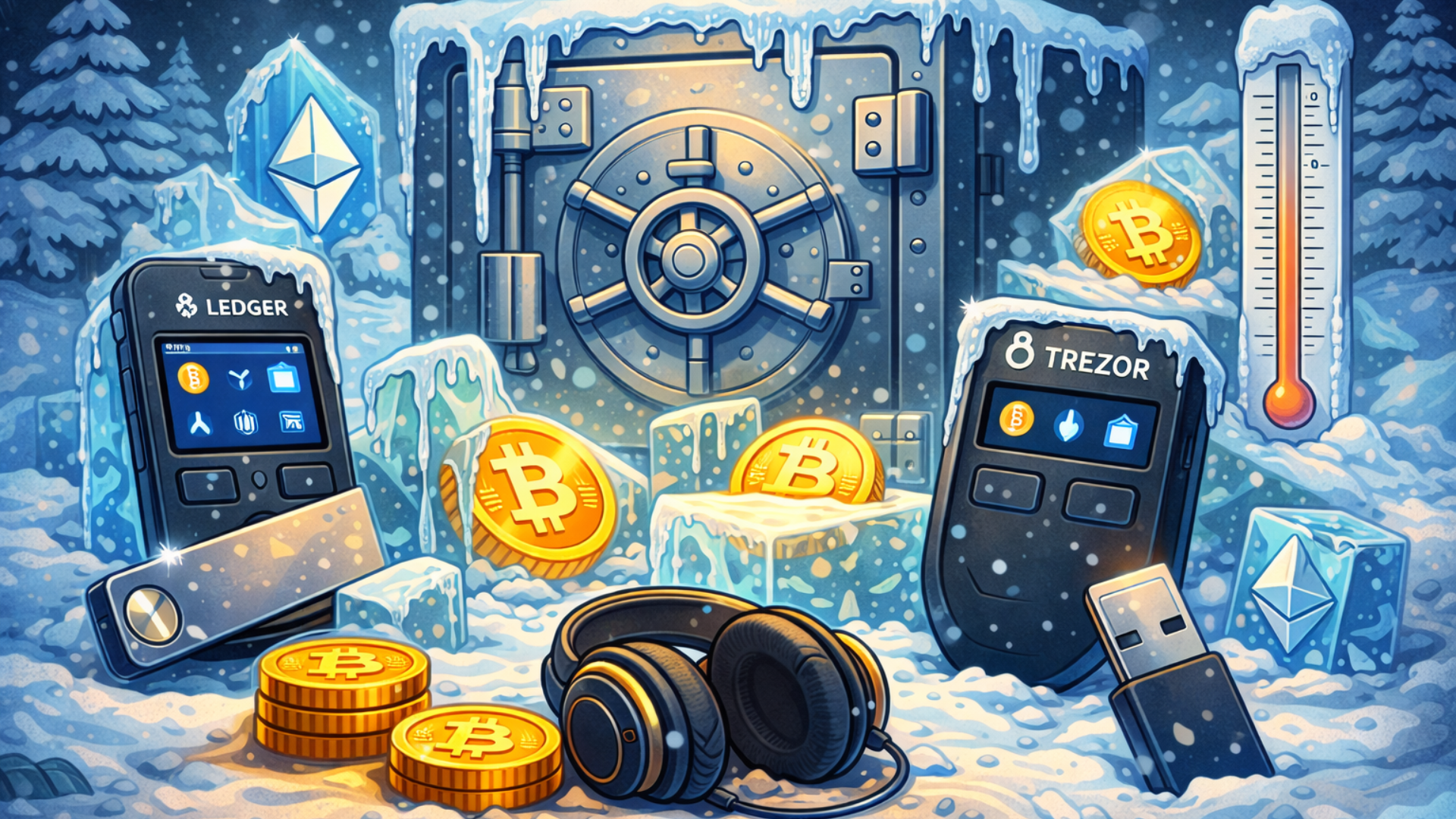
- Hardware wallets are the gold standard for cold storage because they keep private keys offline and away from internet threats
- Ledger and Trezor lead the market, but the right pick depends on how much you value open-source transparency versus certified security chips
- Proper setup and offline seed phrase storage are just as important as which device you choose
Exchange hacks still happen. Malware still targets crypto holders. Hot wallets, no matter how well-built, stay connected to the internet, and that connection is the weak point. Cold storage solves this by keeping your private keys on a physical device that never touches the web. No connection means no remote access. For anyone holding meaningful crypto, a hardware wallet is simply the most reliable protection available.
What Is Crypto Cold Storage?
Cold storage means keeping your private keys on a device that stays offline. Your crypto lives on the blockchain, but the keys controlling it never leave the hardware wallet. When you approve a transaction, the device signs it internally. The signed data goes out, but your keys stay locked inside the device.
This differs significantly from hot wallets or exchange accounts. With an exchange, the platform holds your keys. You trust them with what’s yours. With a hot wallet on your phone or computer, the keys exist on an internet-connected device that malware can reach. Hardware wallets remove both risks. For a broader look at how different wallet types compare, check out this guide on top cryptocurrency wallets.
Which Hardware Wallets Lead the Market in 2026?
A handful of devices consistently stand out for security, coin support, and ease of use. Here are the top options worth considering.
Ledger Nano X and Nano S Plus
Ledger uses a certified secure element chip, the same type found in passports and bank cards. This chip resists physical tampering and side-channel attacks. The Nano X adds Bluetooth for mobile use. The Nano S Plus connects via USB and costs less while delivering the same core protection.
Ledger Live supports over 5,500 coins and tokens. It also handles staking and portfolio tracking in one place. The trade-off is that Ledger’s firmware is partially closed source, which matters to users who want full transparency.
Trezor Model T and Model One
Trezor builds everything open source. Anyone can review the hardware design and code. Community developers audit it regularly, and problems get fixed fast through public review. Trezor Suite supports over 1,000 coins and includes Tor integration for added privacy.
Both models come at accessible price points. The Model One starts under $70, while the Model T offers a touchscreen at a higher price. Security performance between the two is comparable for most users.
Tangem Wallet
Tangem takes a different approach. It works as a card-sized NFC device with no battery and no screen. You tap it to your phone to sign transactions. Setup takes minutes, and there is no seed phrase to write down. Instead, Tangem generates and stores keys entirely within the card’s certified chip. For users who find seed phrases stressful to manage, Tangem offers a simpler path to cold storage.
What Should You Look for in a Cold Storage Device?
Not every hardware wallet fits every user. Before choosing one, consider these key factors:
- Coin support: Make sure the wallet supports every asset you hold or plan to hold
- Open source vs. closed firmware: Open-source code allows public audits; closed firmware relies on the manufacturer’s internal security process
- Ease of use: Some devices use touchscreens; others rely on physical buttons. Match the interface to your comfort level
- Backup method: Most wallets use a 12 or 24-word seed phrase. Tangem uses a multi-card backup system instead
- Price: Entry-level models start around $50 to $70. Premium devices with more features run $150 to $250
For a detailed comparison of NFC-based options, the guide on top NFC crypto hardware wallets covers those well.
How Do You Set Up Cold Storage the Right Way?
Good setup habits protect you just as much as the device itself. Follow these steps to get started correctly.
- Buy only from official sources. Purchase directly from Ledger, Trezor, or Tangem. Third-party marketplace sellers have been known to tamper with devices before shipping.
- Check packaging on arrival. Look for factory seals and tamper-evident labels. If anything looks opened or resealed, do not use it.
- Initialize the device yourself. Always select “create new wallet” during setup. Never use a device someone else has already initialized.
- Write your seed phrase on paper. Never photograph it or type it into any device. Store the written copy somewhere physically secure.
- Test your backup. After writing the seed phrase, wipe the device and restore it using only the written words. This confirms your backup works before you load any funds.
For more on keeping your keys safe, the guide on wallet security goes deeper on best practices.
Frequently Asked Questions
What is the safest crypto cold storage option?
Ledger and Trezor are both considered top-tier options. Ledger uses a certified secure element chip, while Trezor offers fully open-source code. Both provide strong protection when set up correctly.
Can a hardware wallet be hacked remotely?
No. Because the private keys never connect to the internet, remote hacking is not possible. Physical access to both the device and your seed phrase would be required to compromise it.
What happens if I lose my hardware wallet?
Your crypto stays safe. Buy a replacement device and restore it using your seed phrase. The funds reappear once the new device syncs with the blockchain.
Is cold storage necessary for small amounts of crypto?
Cold storage suits larger holdings or assets you plan to keep long term. Smaller amounts used for regular trading are often kept in hot wallets for convenience, accepting a slightly higher risk trade-off.
Does cold storage work with all cryptocurrencies?
Most hardware wallets support hundreds to thousands of coins. Always check the manufacturer’s supported asset list before buying, especially for newer or less common tokens.