Key Takeaways:
- Solana’s RWA market cap rose 43% quarter-over-quarter to $2.01 billion in Q1 2026, according to a Messari report published in May 2026.
- BlackRock, Ondo Finance, Franklin Templeton, and Citigroup all expanded their on-chain activity on Solana during the quarter.
- The upcoming Alpenglow upgrade is expected to cut Solana’s transaction finality from 12.8 seconds down to roughly 150 milliseconds.
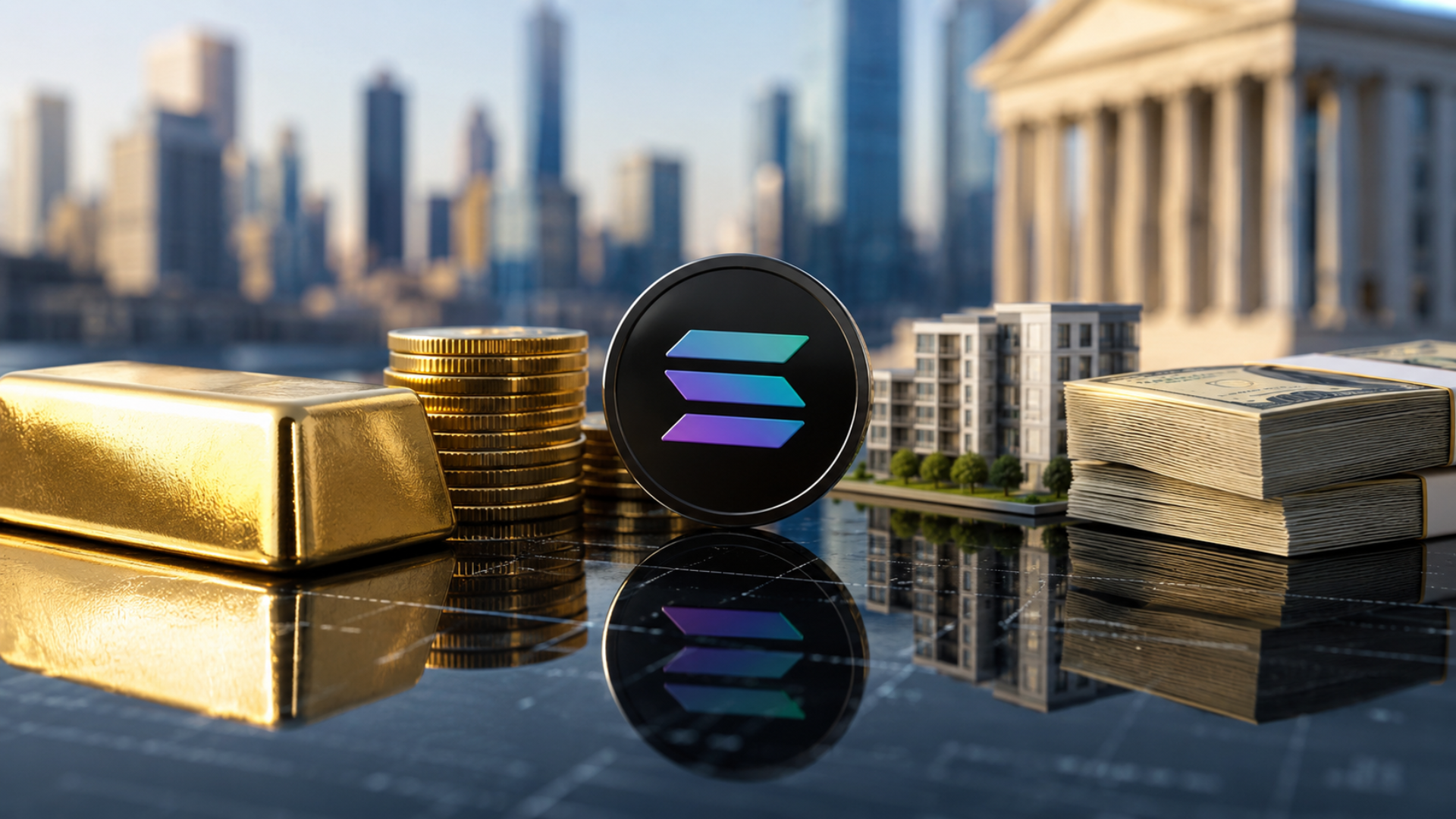
Solana’s position as a tokenization platform is no longer speculative. A Messari report published on May 18, 2026 confirmed that Solana real world assets crossed $2.01 billion in market cap during Q1 2026. That is a 43% jump from the previous quarter. The Solana Foundation’s Chief Product Officer, Vibhu Norby, said RWAs on Solana grew roughly 1,000% since early last year. For a network once dominated by memecoins and retail speculation, this signals a real structural shift.
How Did Solana Real World Assets Cross $2 Billion?
Growth in Solana’s RWA market has been building steadily since 2024. Regulatory clarity, infrastructure improvements, and institutional outreach drove most of that momentum. The first quarter of 2026 turned out to be a defining period for the network.
For a broader look at how crypto assets work and why tokenization matters, check out the UseTheBitcoin crypto basics guide.
BlackRock’s BUIDL Fund Sets the Pace
BlackRock’s tokenized money market fund, BUIDL, grew to $525.4 million on Solana. Anchorage Digital added custody support for the fund and held roughly 81% of the asset’s supply on the network by the end of the quarter.
BUIDL is a tokenized US dollar money market fund that holds cash and short-term US Treasuries. It distributes dividends daily and gives KYC-verified accredited investors access to 24/7 settlement capabilities. For traditional finance, those features turn a typically static instrument into something far more flexible.
Ondo Finance and Franklin Templeton Expand the Mix
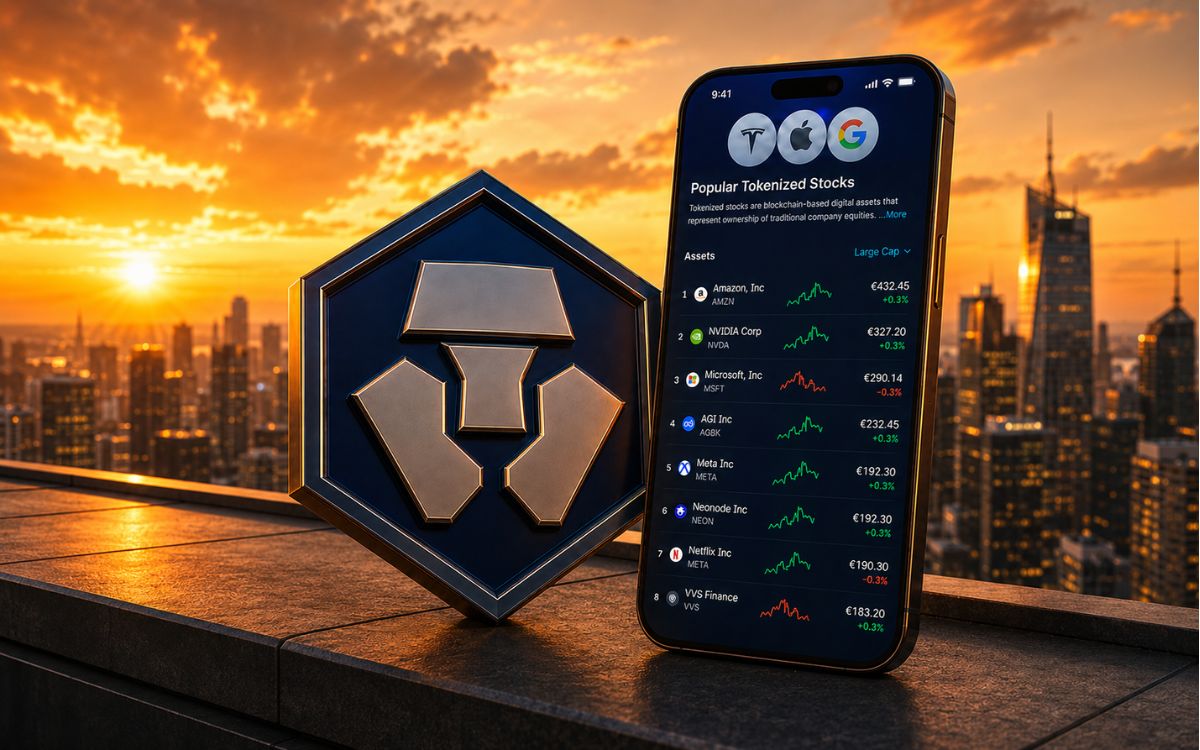
Ondo Finance launched more than 200 tokenized stocks and ETFs on Solana through Ondo Global Markets. Franklin Templeton then partnered with Ondo to bring tokenized ETF products on-chain.
These moves pushed Solana’s RWA ecosystem well beyond government bonds. Solana now hosts over 182,000 RWA token holders on the network. Participation is widening, not just deepening among a handful of large institutions.
Which Institutions Are Building on Solana Right Now?
The list of institutional names on Solana keeps growing. Payment giants, traditional banks, and enterprise firms are all active in 2026. Here is a snapshot of the major players currently deploying real capital on the network:
- BlackRock runs the BUIDL tokenized money market fund, which reached $525.4 million in value on Solana.
- Citigroup completed a proof-of-concept for tokenized trade finance on Solana, in partnership with PwC.
- Franklin Templeton partnered with Ondo to launch tokenized ETF products on-chain.
- Visa, Stripe, Worldpay, Western Union, and PayPal either integrated Solana for stablecoin settlement or launched Solana-native payment products over the past year.
- Mastercard and Western Union joined as early users of the Solana Developer Platform.
The Solana Developer Platform launched on March 24, 2026 as an API-based toolkit. It lets enterprises build financial products on Solana without needing deep crypto expertise. Stablecoin issuance, tokenized assets, and compliance tools are accessible through a single entry point. No complex vendor assembly required.
What Gives Solana an Edge in Tokenized Finance?
Speed, low cost, and regulatory standing set Solana apart from competing networks. Each factor directly shapes how institutions decide where to build. Several recent developments have strengthened all three at once.
The Alpenglow Upgrade Targets Settlement Speed
Solana currently finalizes transactions in about 12.8 seconds. The Alpenglow upgrade is expected to bring that down to around 150 milliseconds. That speed matters for institutional payment rails and high-frequency asset settlement.
Faster finality reduces counterparty risk in trades. Messari described Alpenglow as one of Solana’s most significant technical developments, noting it could strengthen the network’s position in payments, tokenized finance, and AI-driven applications.
Regulatory Clarity Opened the Door
The US SEC and CFTC jointly designated SOL as a digital commodity in early 2026. That decision removed legal uncertainty around staking and institutional participation. Firms that previously held back now have a clearer framework to work within.
Stablecoin Volume Backs the Narrative
Solana’s stablecoin market cap ended Q1 2026 at $14.85 billion. Adjusted stablecoin transfer volume rose 13% quarter-over-quarter to $246.8 billion. Those figures rank Solana third globally among all blockchains for stablecoin activity.
Stablecoins and RWAs are tightly linked on Solana. Many tokenized assets rely on stablecoins for settlement and yield distribution. Strong stablecoin infrastructure makes the full RWA ecosystem more liquid and operational for institutional use.
Frequently Asked Questions
What are Solana real world assets?
Solana real world assets are tokenized versions of financial or physical instruments issued on the Solana blockchain. Common examples include US Treasuries, money market funds, tokenized equities, and private credit products. You can explore more about how crypto assets work here.
How large is Solana’s RWA market in 2026?
Solana’s RWA market cap reached $2.01 billion in Q1 2026, according to Messari’s report published on May 18, 2026. That marks a 43% increase from Q4 2025.
Which firms are the biggest RWA issuers on Solana?
BlackRock leads the field with BUIDL at $525.4 million. Ondo Finance and Franklin Templeton follow, with tokenized stocks, ETFs, and fund products on-chain. Together, these three firms account for a significant share of Solana’s total RWA value.
How does Alpenglow affect tokenized assets on Solana?
Alpenglow is set to cut transaction finality from 12.8 seconds to around 150 milliseconds. Faster settlement directly improves how tokenized assets trade and clear on-chain. It makes Solana more competitive with traditional financial settlement infrastructure.