Key Takeaways
- DeFi wallets give users full control of their assets and direct access to blockchain services without relying on intermediaries.
- They act as gateways to decentralized applications, allowing users to store, send, receive, and manage cryptocurrencies.
- DeFi wallets connect to platforms for activities like token swaps, lending, borrowing, liquidity provision, and staking through smart contracts.
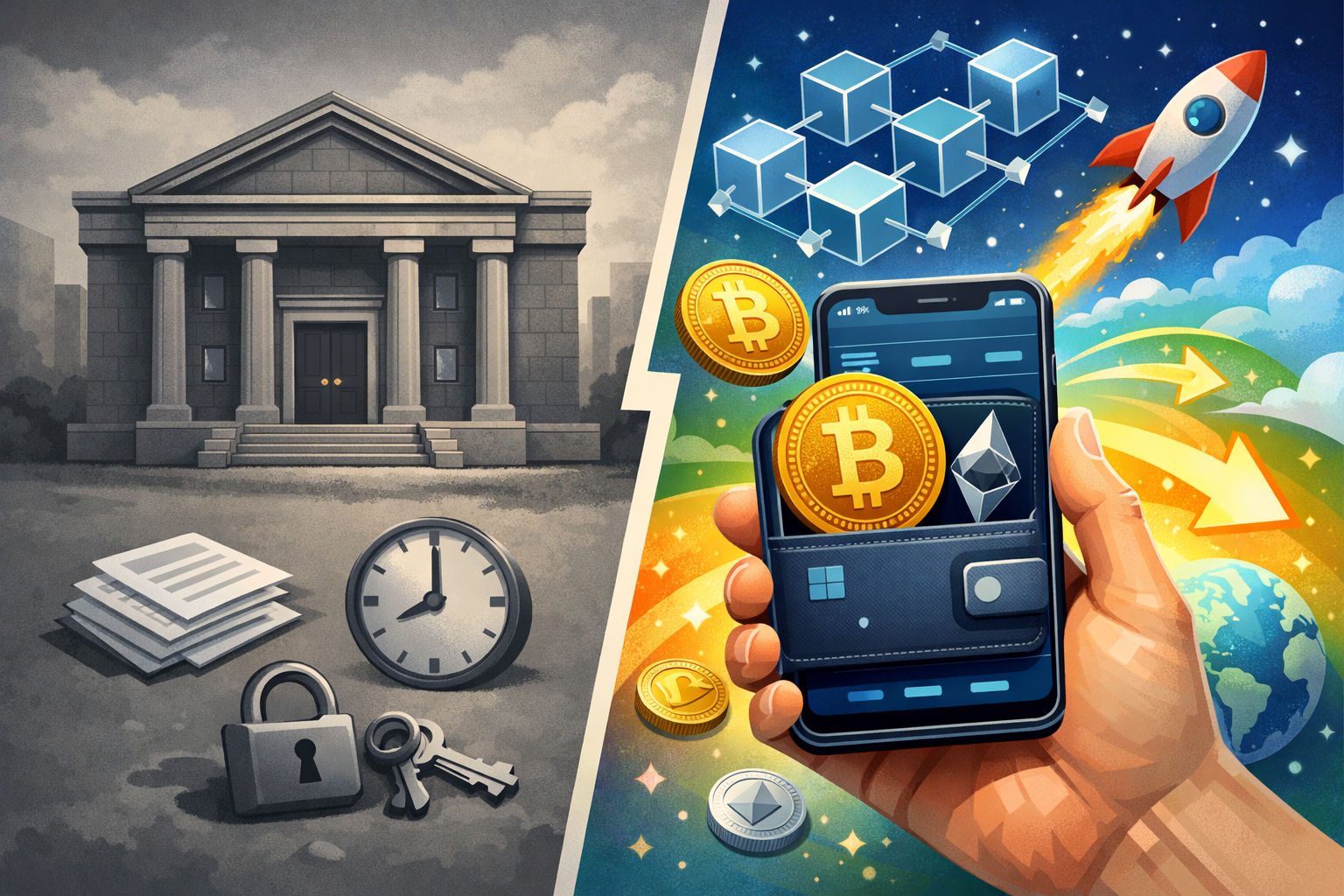
Decentralized finance is reshaping how financial services are accessed and used, offering an alternative to traditional systems that rely on banks and intermediaries. By using blockchain technology, users can now manage their assets, make transactions, and access financial tools in a more open and permissionless environment.
As this ecosystem continues to grow, having the right tools becomes essential. One of the most important is a DeFi wallet, which acts as the main gateway for users to store digital assets and connect with decentralized applications across different blockchain networks.
In this article, we will explain what a DeFi wallet is and how it works within the decentralized finance ecosystem.
What is a DeFi Wallet?
A DeFi wallet is a type of cryptocurrency wallet that allows users to interact directly with decentralized finance (DeFi) applications. It is non-custodial, meaning users control their own private keys and have full ownership of their digital assets. With a DeFi wallet, users can store, send, and receive cryptocurrencies and access decentralized applications (dApps) for activities such as trading, lending, borrowing, and staking, all without relying on a central authority.
Key Features of a DeFi Wallet
A DeFi wallet is built to give users full control and easy access to digital assets and blockchain services. These features make it simple to manage funds and use decentralized applications without relying on third parties.
- Non-Custodial Control: You hold your own private keys, so only you can access your funds. You are also responsible for keeping them safe.
- Direct Blockchain Interaction: Transactions go straight to the blockchain without a bank or middleman. This makes them transparent and secure.
- dApp Connectivity: You can connect your wallet to decentralized apps to trade, lend, borrow, or stake directly.
- Multi-Asset Support: Most wallets support different cryptocurrencies and tokens, so you can manage them in one place.
- Cross-Platform Access: DeFi wallets are available on mobile apps and browser extensions, making them easy to use across devices.
How a DeFi Wallet Works
A DeFi wallet uses cryptographic keys to connect users to blockchain networks, letting them manage assets, approve transactions, and interact with decentralized applications securely.
1. Wallet Creation
When a user creates a DeFi wallet, it automatically generates two important components:
- Public Address: This is like an account number that can be shared with others to receive cryptocurrencies.
- Private Key: This is a secure code that proves ownership of the wallet and is used to sign and approve transactions. It must be kept private at all times.
The wallet also provides a recovery phrase (also called a seed phrase), which is a set of words that can be used to restore access to the wallet if the device is lost, damaged, or replaced. Keeping this phrase safe is critical, as anyone with access to it can control the wallet.
2. Storing Assets
Cryptocurrencies are not physically stored in a DeFi wallet. Instead, they exist on the blockchain, while the wallet serves as an interface for users to access and manage their assets. It uses cryptographic keys to verify ownership and display balances, transaction history, and supported tokens.
Through this setup, users can monitor and manage their holdings across different blockchain networks in one place. The wallet does not store funds itself but provides a secure way to interact with assets recorded and maintained on the blockchain.
3. Sending and Receiving Funds
To receive funds, you simply share your public address, which works like an account number on the blockchain. Others can use this address to send cryptocurrencies directly to your wallet, and it can be shared safely without risking access to your funds.
To send funds, you create a transaction and approve it by signing with your private key. This step confirms that you own the wallet and authorizes the transfer, without revealing your private key. Once approved, the transaction is sent to the blockchain network, where it is verified and recorded.
4. Connecting to DeFi Platforms
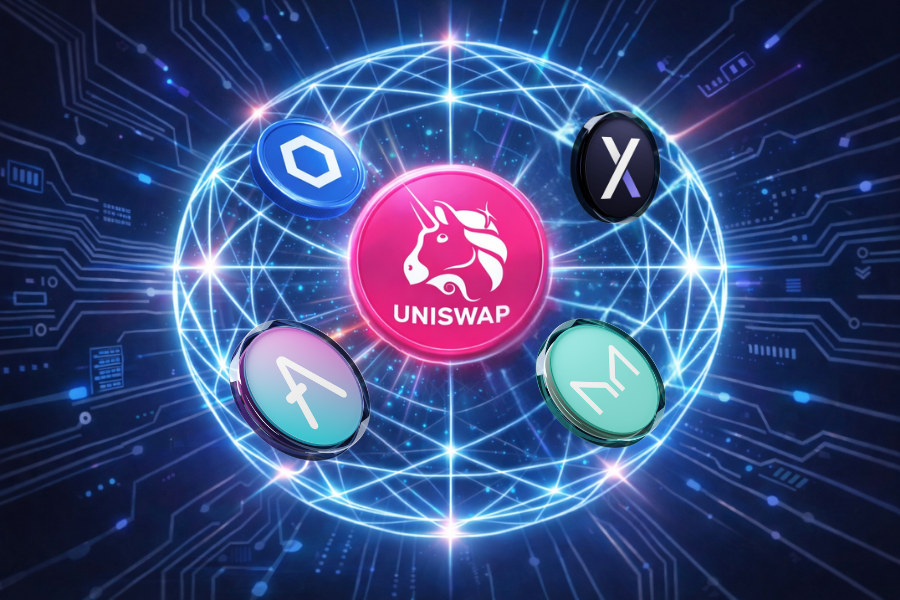
DeFi wallets allow users to connect directly to decentralized platforms (dApps) through secure integrations. Once connected, the wallet authorizes interactions with smart contracts, enabling users to perform financial activities without intermediaries. These actions are signed by the user and recorded on the blockchain.
- Swap Tokens: Exchange one cryptocurrency for another directly through decentralized exchanges.
- Lend or Borrow Assets: Supply assets to earn interest or borrow funds by providing collateral through lending protocols.
- Provide Liquidity: Contribute assets to liquidity pools that support trading on decentralized exchanges and earn a share of fees in return.
- Stake Tokens For Rewards: Lock tokens in a protocol to help secure the network or support operations and earn staking rewards.
All of these actions are executed through smart contracts, which automatically process transactions on the blockchain based on predefined rules.
5. Transaction Signing
Every action in DeFi requires user approval through transaction signing. When a user initiates a transaction, the wallet prompts them to review the details and confirm the action. This approval is done using the private key, which creates a digital signature that verifies ownership without exposing sensitive information.
This process helps ensure security by requiring explicit consent for every transaction. It prevents unauthorized access or transfers, as no action can be completed without the user’s signature. Once signed, the transaction is sent to the blockchain network for validation and recording.
Types of DeFi Wallets
DeFi wallets come in different forms, offering a balance of convenience and security. The choice depends on how users plan to access DeFi platforms and manage their assets.
- Browser Extension Wallets: These wallets run as browser extensions and allow users to connect directly to decentralized applications (dApps). They are commonly used for quick access to DeFi platforms, enabling users to approve transactions and interact with services without leaving the browser.
- Mobile Wallets: These are smartphone applications that let users store, send, and manage cryptocurrencies while on the go. They often include built-in features for connecting to dApps, scanning QR codes, and tracking portfolio activity in real time.
- Hardware Wallets: Hardware Wallets are physical devices that store private keys offline, reducing exposure to online threats. They are typically used for added security, as transactions must be physically confirmed on the device before being signed and broadcast to the blockchain.
Advantages of Using a DeFi Wallet
A. Full Control of Assets
Users hold their own private keys, giving them complete ownership and control of their funds without relying on banks or centralized exchanges.
B. Permissionless Access
DeFi wallets allow users to access decentralized applications and services without requiring approval or identity verification in many cases, depending on the platform.
C. Transparency
All transactions are recorded on public blockchains, making them verifiable and traceable by anyone, which helps improve trust in the system.
D. Global Accessibility
DeFi platforms can be accessed from anywhere with an internet connection, enabling users worldwide to participate in financial activities without geographical restrictions.
Risks and Limitations
A. User Responsibility for Security
Users must securely store their private keys and recovery phrases. If these are lost or exposed, access to the wallet and its funds cannot be restored or recovered by any third party.
B. Smart Contract Risks
DeFi platforms operate using smart contracts, which are automated pieces of code. If these contracts contain bugs or vulnerabilities or are poorly designed, they can be exploited, leading to potential loss of funds.
C. Scams and Phishing
Users may encounter fraudulent websites or malicious links that attempt to trick them into connecting their wallets or approving unauthorized transactions. Extra caution is needed when interacting with unfamiliar platforms.
D. Transaction Fees
Blockchain networks charge transaction fees (often called gas fees) for processing operations. These fees can fluctuate depending on network demand and may become higher during periods of heavy activity.
Final Thoughts
DeFi wallets give users full ownership of their digital assets and provide a direct way to interact with blockchain-based applications without relying on third-party service providers. They act as secure gateways to decentralized platforms, where users can send funds, trade, stake, and participate in lending activities through smart contracts. While they offer greater control, transparency, and accessibility, users must protect their private keys and stay mindful of risks such as phishing, smart contract vulnerabilities, and transaction fees.
You Might Also Like: