The safest way to receive crypto payments in Nigeria is to use a compatible wallet or compliant payment provider. Before accepting funds, confirm the asset, blockchain network, amount, exchange rate, and payment terms with the sender.
Is Receiving Cryptocurrency Legal in Nigeria?
Nigeria regulates digital assets rather than imposing a general ban on receiving them. The Investments and Securities Act 2025 brought virtual assets and related service providers within the country’s investment framework.
The Central Bank of Nigeria also allows banks to maintain accounts for compliant virtual asset service providers. Its banking-sector reforms reference guidelines issued in December 2023 for these relationships. This did not make cryptocurrency legal tender or require banks to hold digital assets directly.
The Nigerian Securities and Exchange Commission proposed broader digital-asset rules in August 2026. They cover trading, custody, transfers, settlement, tokenization, advice, and services targeting Nigerian residents. Proposed rules can change before adoption.
Anyone planning to receive crypto payments in Nigeria should check the SEC’s current operator records before choosing a custodial service. A provider’s approval, product availability, or banking access may change over time.
Choose the Right Receiving Method
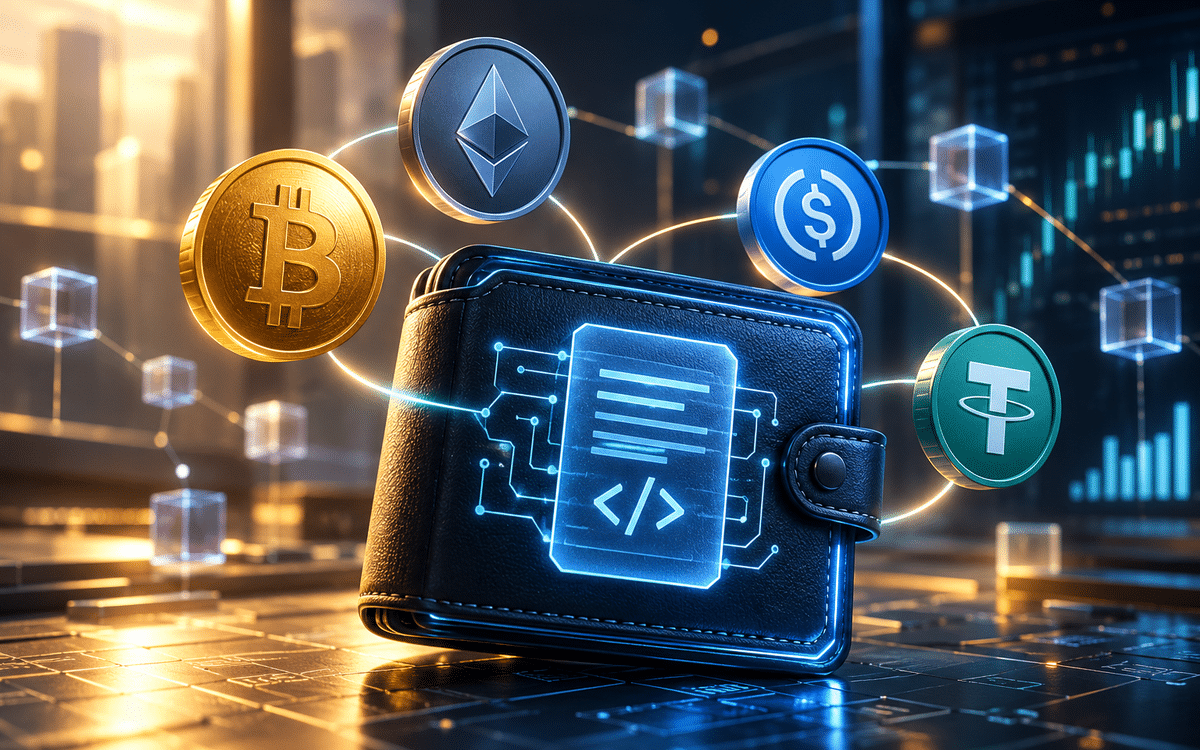
Cryptocurrency can be received through a self-custody wallet, custodial platform, or payment processor. The best method depends on transaction frequency, technical experience, accounting needs, and whether the funds will be converted into naira.
A self-custody wallet gives the recipient direct control over the private keys. However, losing the recovery phrase can permanently remove access.
A custodial wallet places key management with a provider. This may simplify recovery and conversion, but verification requirements and platform risk apply.
Businesses receiving regular payments may prefer a processor that generates invoices and organizes transaction records. Nigerian availability, settlement currencies, and fees vary.
Set Up the Wallet Safely
Download wallet software only from the developer’s official website or verified app-store page. Fraudulent wallet applications often imitate legitimate branding and may steal recovery phrases.
Write down a self-custody wallet’s recovery phrase and keep it offline. Anyone who obtains it can normally control the wallet.
Complete these checks before accepting payments:
- Protect the wallet with a strong, unique password.
- Enable app-based two-factor authentication on custodial accounts.
- Keep the recovery phrase separate from the device.
- Update the wallet through official distribution channels.
A hardware wallet may suit larger balances, while a mobile wallet is more convenient for frequent payments. Businesses can separate receiving and storage wallets.
Compare the Available Options
The following table summarizes common receiving methods and their main trade-offs.
| Payment Need | Suitable Method | Main Consideration |
| Occasional payment | Self-custody mobile wallet | Protect the recovery phrase |
| Regular client payments | Business wallet or processor | Check fees and Nigerian availability |
| Easier naira conversion | Compliant custodial provider | Confirm limits and settlement times |
| Larger stored balance | Hardware wallet | Secure the device and backup |
| Lower price volatility | Supported stablecoin | Consider issuer and depegging risks |
Table 1. Cryptocurrency Receiving Methods and Their Trade-Offs
No option suits every payment. Freelancers may value convenience, while merchants may need invoices, accounting exports, and separate storage.
Confirm the Asset and Blockchain Network
A receiving address only works with supported assets and networks. Sending the correct token through an incompatible network may make recovery expensive, difficult, or impossible.
Stablecoins such as USDT can operate across Ethereum, Tron, Solana, and other networks. The sender and recipient must select the same network. A familiar token name alone does not confirm compatibility.
Before sharing an address, confirm:
- The token’s full name and ticker
- The blockchain network being used
- Whether the receiving wallet supports that combination
- Whether a memo or destination tag is required
Some custodial services identify deposits through a memo or tag. Omitting it can delay crediting even when the address is correct.
Stablecoins may reduce price movement, but they can depeg or face issuer restrictions. Bitcoin and Ether may change value before conversion.
How to Accept a Cryptocurrency Payment
A secure payment process begins before the sender transfers funds. Both parties should document the amount, asset, network, and exchange-rate method.
Use the following process:
- Choose a wallet that supports the required asset and network.
- Agree on the payment amount and its naira value.
- Set the exchange-rate source and calculation time.
- Generate the receiving address or QR code inside the wallet.
- Confirm the token and network with the sender in writing.
- Request a small test transfer for a large payment.
- Verify the transaction through a blockchain explorer.
- Wait for enough confirmations before releasing goods or services.
- Record the transaction hash, invoice, date, and naira value.
Check the first and last address characters after copying. Malicious software can replace addresses stored on a device’s clipboard.
Do not rely on screenshots as proof. Confirm the transaction inside the wallet or through a reputable blockchain explorer.
Set Clear Payment Terms
Price changes can create disputes when an invoice is stated in naira but paid in cryptocurrency. The invoice should explain how the crypto amount will be calculated and how long the quoted rate remains valid.
The parties could use an agreed provider’s rate when invoicing or recalculate the amount when payment occurs. State the method beforehand.
Terms should also address fees, underpayments, refunds, and confirmation requirements. Verify the original payment and return address before issuing a refund.
Convert Cryptocurrency to Naira
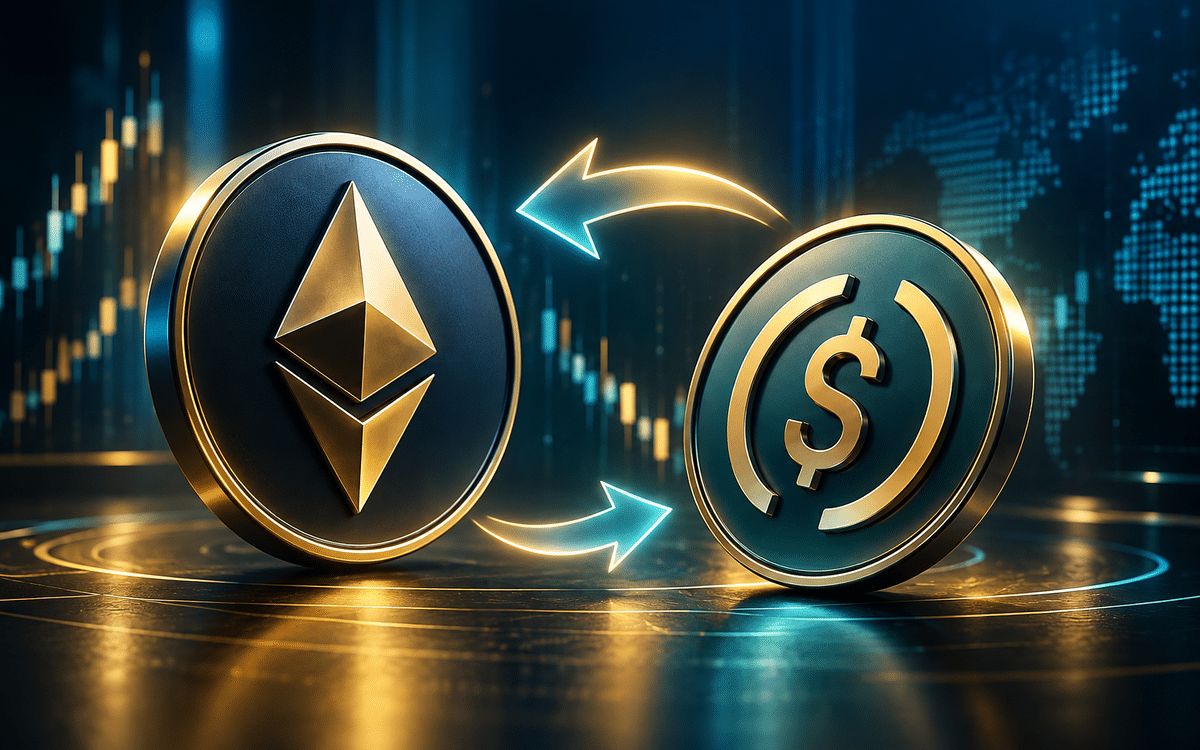
Receiving cryptocurrency and converting it into naira are separate transactions. Conversion usually involves transferring the asset to a supported provider, selling it, and withdrawing the proceeds to a verified bank account.
Check the provider’s Nigerian availability, regulatory status, networks, fees, spread, and limits. Verify these details through the provider and the Nigerian SEC.
Participation in the SEC’s regulatory incubation program does not necessarily mean permanent authorization. Distinguish approval in principle from full registration.
Peer-to-peer trading is not automatically the safest conversion method. Escrow may reduce one type of settlement risk, but it cannot prevent fake payment alerts, stolen bank accounts, chargebacks, impersonation, or pressure to continue outside the platform.
Binance should not be presented as a current naira option. The company discontinued its Nigerian naira services in March 2024 after removing NGN pairs from its peer-to-peer market.
Protect Each Incoming Payment
Cryptocurrency transfers are usually irreversible. A wrong address, compromised wallet, or unsupported network can result in permanent loss.
Follow these safeguards:
- Never share a recovery phrase, private key, password, or security code.
- Verify the complete wallet address before approving a transfer.
- Confirm the token and network with the sender.
- Wait for the required blockchain confirmations.
- Reject requests to refund an unexplained overpayment.
- Use separate wallets for business and personal funds.
- Keep invoices and transaction records.
- Move excess funds away from frequently used receiving wallets.
Be suspicious of anyone demanding a release fee before an incoming payment appears. A normal blockchain payment does not require the recipient to unlock a wallet, synchronize it through an unfamiliar website, or disclose private credentials.
Understand the Costs, Records, and Risks
Receiving cryptocurrency is not always free. The sender may pay the blockchain fee, while the recipient later faces trading fees, withdrawal charges, conversion spreads, or bank costs.
Network congestion can increase fees and delays. Custodial platforms may restrict withdrawals, while self-custody makes the owner responsible for backups and transaction accuracy.
Businesses should retain the asset amount, date, transaction hash, exchange rate, invoice, and conversion record.
Tax and reporting obligations may depend on the recipient, transaction purpose, and applicable Nigerian rules. Businesses receiving significant amounts should obtain advice from a qualified Nigerian accountant or legal professional.
Frequently Asked Questions
Can a Nigerian bank account receive cryptocurrency directly?
A standard bank account holds naira rather than blockchain-based assets. Cryptocurrency usually enters a wallet first and must then be sold through a supported provider before naira can reach a bank account.
Which cryptocurrency is best for receiving payments?
There is no universal best asset. Stablecoins may reduce price volatility, while Bitcoin has broad recognition and does not depend on a stablecoin issuer. The chosen wallet must support the exact asset and network.
Is receiving USDT free?
Not necessarily. The sender usually pays the blockchain fee, but the recipient may face later transfer, trading, or withdrawal charges. Fees depend on the network and service used.
How long does a cryptocurrency payment take?
Timing depends on the blockchain, network congestion, fee level, and number of confirmations required. A transaction may appear quickly but should not be treated as final until sufficient confirmations arrive.
Can a cryptocurrency payment be reversed?
Confirmed blockchain transactions are generally irreversible. A recipient can voluntarily send a refund, but the original payment cannot normally be cancelled like a card transaction.
Should a small test payment be used?
A test transfer can reduce risk when using a new address, network, or wallet. The recipient should confirm the test before the sender transfers the remaining balance.
This guide is educational and does not provide financial, legal, or tax advice. Cryptocurrency involves volatility, irreversible transactions, cybersecurity threats, and regulatory risks.