Key Takeaways:
- The future of remittances for OFWs includes instant transfers through Project Nexus payment rails
- Blockchain integration reduces transfer times from 3-5 days to seconds
- Super apps combine money transfers with bill payments and micro-investments
The future of remittances for OFWs is shifting from traditional money transfer outlets to instant digital ecosystems. Overseas Filipino Workers will send approximately $36.6 billion home in 2026 through blockchain-based platforms and super apps. Project Nexus enables instant cross-border transfers across ASEAN countries. Digital wallets now allow OFWs to pay bills, contribute to government programs, and invest directly from abroad.
How Is Technology Changing OFW Remittance Speed?
The future of remittances for OFWs centers on eliminating waiting periods. Traditional bank transfers took 3-5 business days to complete. New blockchain-based systems settle transactions in seconds.
Project Nexus launched across ASEAN countries in 2026. This cross-border payment rail connects the Philippines with Singapore, Malaysia, and Thailand. OFWs working in these countries can send money home instantly at minimal cost.
GCash and Maya integrated stablecoin technology into their platforms. These digital wallets use blockchain protocols similar to Ripple for settlement. Recipients access funds immediately without visiting physical branches.
The Philippines pioneered digital governance by putting its national budget on blockchain in 2026. This technological foundation enabled private companies to build faster remittance infrastructure. Government adoption validated blockchain technology for financial services.
Traditional remittance centers required physical visits from both sender and recipient. Digital platforms eliminate this friction entirely. OFWs transfer money through mobile apps. Recipients withdraw cash from ATMs or spend directly from digital wallets.
Speed improvements dramatically change how families use remittances. Emergency expenses get covered immediately instead of waiting days. This flexibility provides financial security that traditional systems couldn’t match.
What Are Super Apps Doing for OFW Families?
The future of remittances for OFWs extends beyond simple money transfers. Super apps combine multiple financial services into single platforms. OFWs now manage their families’ finances comprehensively from abroad.
Person-to-Government (P2G) payments represent a major advancement. OFWs directly contribute to SSS, PhilHealth, and Pag-IBIG through remittance apps. Families no longer need to visit government offices to make these payments.
Direct bill payment functionality saves recipients significant time. OFWs pay electricity, water, and internet bills from abroad. They cover tuition fees directly to schools. This ensures essential services continue without family members needing to handle transactions.
Micro-investment features allow OFWs to build wealth while working overseas. Remittance platforms now offer:
- Stock purchases: Buy shares in Philippine companies through the app
- REIT investments: Invest in real estate investment trusts with small amounts
- Mutual funds: Access professionally managed investment portfolios
- Time deposits: Earn interest on savings at Philippine banks
These investment options transform remittances from pure consumption to wealth building. OFWs can grow assets in the Philippines while earning abroad. This addresses long-term financial security beyond monthly expenses.
The super app model consolidates services that previously required multiple platforms. One app handles transfers, government payments, bills, and investments. This simplification reduces friction and increases financial inclusion.
How Close Are Fees to the 3% UN Target?
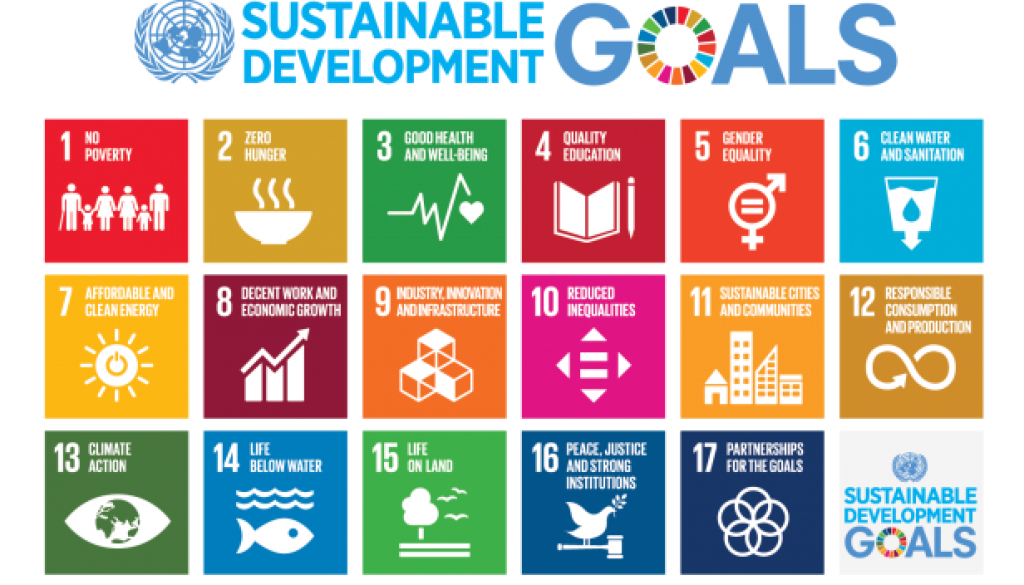
The United Nations Sustainable Development Goals target remittance costs below 3%. The future of remittances for OFWs includes significant progress toward this goal. Digital wallets drive fee reductions through lower operational costs.
Traditional remittance centers charged 5-7% in fees. Physical branches, staff salaries, and cash handling created high overhead. These costs got passed to customers through transaction fees.
Digital wallet platforms operate at 1-3% cost structures. They eliminate physical infrastructure entirely. Automated processes reduce staffing requirements. These savings translate directly into lower fees for OFWs.
The digital wallet market grows at 12.18% CAGR through 2031. This expansion creates competition that further reduces fees. Platforms compete for market share through lower costs and better services.
Bank-to-wallet partnerships accelerate fee reduction. BDO, Metrobank, and UnionBank offer direct-to-wallet services. These partnerships combine traditional banking infrastructure with digital efficiency. Recipients access funds without visiting branches while senders benefit from competitive rates.
Crypto remittances represent another cost-reduction avenue. Stablecoin transfers avoid traditional banking fees entirely. Platforms using this technology achieve sub-1% costs for international transfers.
Competition between platforms continues driving fees downward. The 3% UN target becomes achievable as digital adoption increases. Some routes already operate below this threshold in 2026.
What Challenges Threaten the Future of Remittances for OFWs?
Cybersecurity risks grow as remittances move fully digital. Account takeover attacks target OFW digital wallets. Criminals use stolen credentials to redirect funds or drain accounts.
Biometric authentication becomes mandatory across platforms. Facial recognition verifies every transaction above certain thresholds. This adds security but creates friction for users without compatible devices.
Multi-factor authentication requirements protect accounts but complicate user experience. OFWs need access to phones and email simultaneously. This poses challenges in countries with restricted internet access.
Labor policy changes in host countries affect remittance volumes. Saudi Arabia and Kuwait implement localization policies favoring local workers. These policies reduce OFW deployment numbers over time.
Middle Eastern countries provide 40% of total Philippine remittances. Localization threatens this significant income source. The shift requires OFWs to find opportunities in other markets.
Currency volatility creates planning challenges for both senders and recipients. Weak peso values provide more local currency per dollar sent. However, this reflects domestic inflation that reduces purchasing power.
The 1% U.S. remittance tax introduced in early 2026 adds costs for American-based OFWs. This policy change increases total transfer expenses. OFWs either absorb costs or reduce amounts sent home.
Regulatory fragmentation across countries complicates platform operations. Each jurisdiction maintains different licensing and compliance requirements. Companies operating globally must navigate multiple regulatory frameworks.
How Does Blockchain Integration Work for OFW Remittances?
Blockchain technology fundamentally changes how value moves across borders. The future of remittances for OFWs relies heavily on distributed ledger systems. These networks eliminate intermediary banks that slow traditional transfers.
Stablecoins provide the bridge between traditional and crypto finance. USDC and USDT maintain $1 pegs through reserve backing. OFWs send stablecoins that recipients convert to pesos instantly.
Smart contracts automate transfer execution without human intervention. Code enforces transaction rules and releases funds when conditions are met. This automation reduces costs and increases reliability.
Settlement happens on blockchain networks rather than correspondent banking networks. Traditional international transfers route through multiple banks. Each intermediary adds time and fees. Blockchain transfers move directly between parties.
The Philippines’ blockchain adoption for government budgets validates the technology. Citizens and institutions gain familiarity with distributed systems. This groundwork enables faster private sector blockchain adoption.
Ripple protocol integration in platforms like GCash demonstrates practical blockchain applications. The technology operates behind user-friendly interfaces. OFWs don’t need to understand blockchain to benefit from it.
Frequently Asked Questions
How fast will remittances become in the future?
The future of remittances for OFWs includes instant transfers through Project Nexus and blockchain platforms. Transactions settle in seconds rather than days through new payment rails.
What are super apps for OFW remittances?
Super apps combine money transfers with bill payments, government contributions, and investments. OFWs manage their families’ finances comprehensively through single platforms.
How much will remittance fees decrease?
Digital wallets already operate at 1-3% fee structures compared to traditional 5-7% costs. The UN’s 3% target becomes achievable as digital adoption increases.
What security risks exist for digital remittances?
Account takeover attacks target digital wallets as transfers move fully online. Platforms require biometric authentication and multi-factor verification to protect accounts.
How does blockchain help OFW remittances?
Blockchain eliminates intermediary banks, reducing costs and transfer times. Stablecoins and smart contracts enable instant settlement without traditional correspondent banking networks.