Key Takeaways
- Ripple News: The SEC vs. Ripple case has reached a settlement, with Ripple paying $125 million to resolve institutional sales claims.
- XRP is now widely available on major exchanges again after years of delistings following the 2020 lawsuit.
- Ripple keeps expanding its global payment partnerships and CBDC projects, giving XRP more real-world utility.
Ripple and XRP have been in the spotlight for years now. The SEC lawsuit that started in 2020 put a cloud over everything. But a lot has changed since then. Legal outcomes have shifted, exchanges have relisted XRP, and Ripple has kept growing its network of financial partners. Here is a rundown of the biggest Ripple news going into 2026.
Where Does the SEC vs. Ripple Case Stand Now?
The SEC filed its case against Ripple Labs in December 2020. The agency argued that Ripple sold XRP as an unregistered security. That single lawsuit froze XRP listings on dozens of exchanges and spooked institutional investors for years.
What the 2023 Court Ruling Decided
In July 2023, Judge Analisa Torres delivered a decision that split the case down the middle. She ruled that XRP sold on public exchanges did not count as a security. However, direct institutional sales by Ripple did qualify. That partial win was still a big deal. It gave XRP a clearer legal status than most other tokens currently have.
After the ruling, Coinbase and Kraken both relisted XRP. Other exchanges followed. Trading volume picked up quickly as retail and institutional buyers returned to the market.
How the Case Wrapped Up
The SEC appealed parts of the decision in 2024, which kept things uncertain for a while longer. By early 2026, though, the case reached a settlement. Ripple agreed to pay a $125 million civil penalty to resolve the institutional sales portion. The SEC originally sought $2 billion, so the final number was seen as a major win for Ripple. The core ruling protecting secondary market XRP sales remained unchanged.
The shift in SEC leadership also played a role. The agency moved toward a less aggressive stance on crypto enforcement in 2025, and that gave Ripple room to push for a final resolution.
What Is Driving XRP Price Movements in 2026?
XRP spent years trading well below its 2018 highs because of legal uncertainty. With much of that resolved, the token has found stronger footing. Several factors now drive its price.
Here are the main ones investors keep an eye on:
- Legal developments: Positive court news tends to push XRP higher almost immediately.
- Bitcoin correlation: XRP still moves with Bitcoin during broad market swings, like most altcoins.
- Institutional demand: Large purchases from payment firms and crypto funds create noticeable price movement.
- Exchange availability: More listings mean more liquidity and broader access for buyers worldwide.
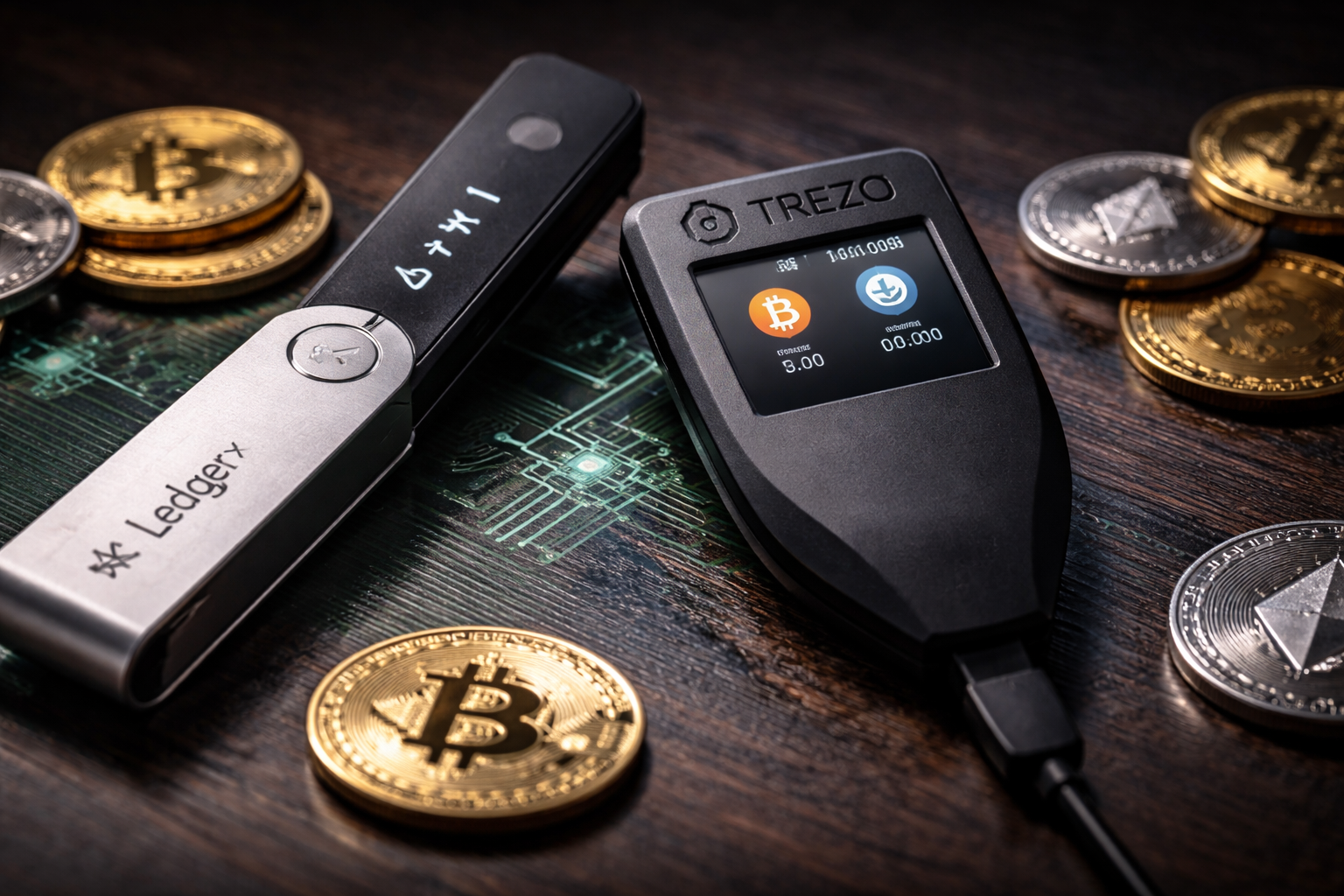
XRP is available to trade on KuCoin and Binance, among other major platforms. If you want to keep your XRP off exchanges, a hardware wallet is the safest way to do it. Ledger and Trezor are both solid options for cold storage. You can also browse this guide to top cryptocurrency wallets to compare your choices.
How Is Ripple Expanding Beyond the Lawsuit?
Ripple never stopped building during the legal battle. Its core product, RippleNet, connects banks and payment providers for fast cross-border transactions. XRP acts as a bridge currency in many of those transfers, cutting settlement times from days to seconds.
How Ripple Handles Cross-Border Payments
Traditional wire transfers are slow and expensive. RippleNet solves both problems. That pitch has landed Ripple partnerships with regional banks across Asia, Latin America, and the Middle East. Financial institutions in these regions move large volumes of remittances, and Ripple’s speed gives them a real edge over legacy systems.
Ripple has also stepped into Central Bank Digital Currency infrastructure. Several governments have brought Ripple in to help build out their CBDC systems. That work positions Ripple as more than a payment network. It puts the company inside national financial infrastructure.
What Developers Are Building on the XRP Ledger
The XRP Ledger is open-source and has grown into a platform developers actively use. It supports smart contracts, token issuance, NFTs, and decentralized exchange features. Transactions settle in three to five seconds with very low fees. That combination makes it practical for real applications, not just speculation.
DeFi projects, payment apps, and tokenization platforms have all launched on the XRPL. The developer community has grown steadily, and that activity adds long-term value to the network. For more on how XRP influencers and analysts are tracking these developments, check out this list of top XRP influencers.
Frequently Asked Questions
What is the current status of the SEC vs. Ripple lawsuit?
As of 2026, Ripple has settled the case. The court ruled that XRP sold on public exchanges is not a security. Ripple paid $125 million to resolve the institutional sales portion of the lawsuit.
Is XRP available on major exchanges again?
Yes. Coinbase, Kraken, and many other exchanges relisted XRP after the 2023 court ruling. It is now accessible on most major trading platforms globally.
How does Ripple use XRP in its payment system?
Ripple uses XRP as a bridge currency in cross-border transfers through RippleNet. It lets financial institutions settle payments in seconds without needing pre-funded accounts in every currency.
What is the XRP Ledger used for besides payments?
The XRP Ledger supports DeFi apps, NFT minting, token issuance, and decentralized exchange trading. Developers build on it because of its fast settlement times and low transaction fees.
Where can I follow the latest Ripple and XRP news?
You can follow trusted analysts on social platforms for real-time updates. UseTheBitcoin covers ongoing developments, and you can also explore this list of top crypto news sites to find reliable sources.