Key Takeaways
- Kalshi voided positions opened after the confirmed death of Iran’s Supreme Leader to prevent “profiting from death.”
- The platform is reimbursing fees and resolving older contracts at the last-traded price prior to the event.
- Traders have criticized the move, claiming it unfairly curtails legitimate profits in high-stakes geopolitical markets.
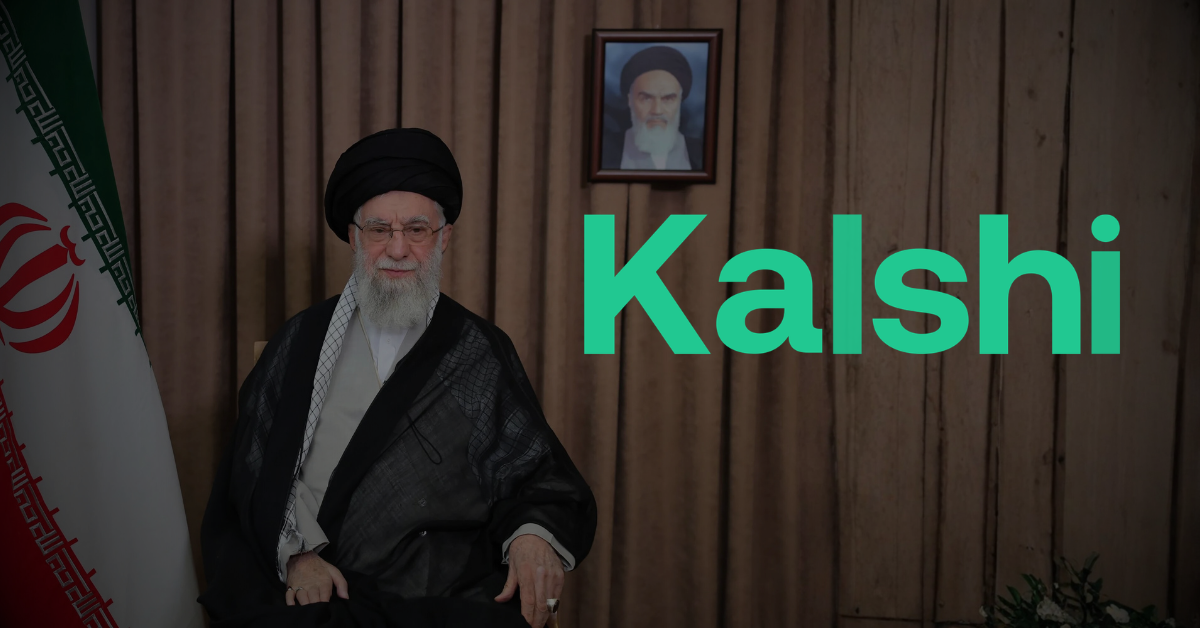
Predicting the future is a risky business, but Kalshi is drawing a moral line in the sand that has some traders seeing red. Following the confirmed death of Iranian Supreme Leader Ayatollah Ali Khamenei—following military strikes by Israel and the U.S.—the prediction platform took the rare step of voiding several market positions.
Co-founder Tarek Mansour clarified that Kalshi does not host markets directly tied to death and designs its rules specifically to prevent users from capitalizing on mortality. While the platform prides itself on being a regulated source of truth, this “death carveout” has sparked a fierce debate over where prediction ends and ethics begins.
For those who held positions in the “Ali Khamenei out as Supreme Leader” market before the news broke, Kalshi will pay out based on the last-traded price before his passing was officially confirmed. Any user who entered the market after the news became public will receive a reimbursement of their entry difference and fees.
Suspicions of insider trading activity on prediction market platforms rise amid geopolitical tensions
This controversy doesn’t exist in a vacuum. Prediction markets have recently come under fire for what many analysts believe is rampant insider trading.
Just this past February, six newly created wallets on the rival platform Polymarket netted roughly $1 million by betting on a U.S. strike in Iran—some positions were filled only hours before explosions rocked Tehran. The precision of these trades suggests that someone, somewhere, knew the missiles were flying before the public did.
In January, the discourse reached a boiling point when President Donald Trump announced the arrest of a leaker tied to the capture of Nicolás Maduro. On-chain analysts at Lookonchain quickly connected the dots to winning bets placed on Polymarket shortly before the Caracas raid.
Let’s be real: 2026 is getting messy. We’re seeing a scary new trend where top-secret military intel is crashing head-first into decentralized betting apps. Imagine a world where a “bet” on a future conflict actually moves because someone with classified access is looking to cash in.
It’s a total nightmare for regulators and a huge ethical dilemma for the people running these platforms. We aren’t just betting on sports anymore; we’re essentially watching the world’s secrets get traded in real-time on the blockchain.
Final Thoughts
Kalshi’s decision to prioritize ethics over pure market mechanics might protect its brand, but it highlights the growing friction between “truth-seeking” markets and the raw desire for profit.
Frequently Asked Questions
Why did Kalshi void the Khamenei markets?
To uphold its policy against “death markets,” preventing traders from profiting from the death of a world leader.
Are all Kalshi users being refunded?
Users who entered after the death was confirmed get a refund; those who entered before are paid at the last-traded price.
Is Kalshi a regulated platform?
Yes, Kalshi is a CFTC-regulated prediction market, which is why it enforces strict “death carveout” rules.