Key Takeaways
- Meta launches USDC payouts in Colombia and the Philippines, enabling creators to get paid instantly on-chain without banks or intermediaries.
- Meta’s rollout targets high-remittance markets where creators face costly and slow international payment systems.
- USDC payouts open access to DeFi opportunities, giving creators faster cash flow and new ways to use their earnings beyond traditional finance systems.
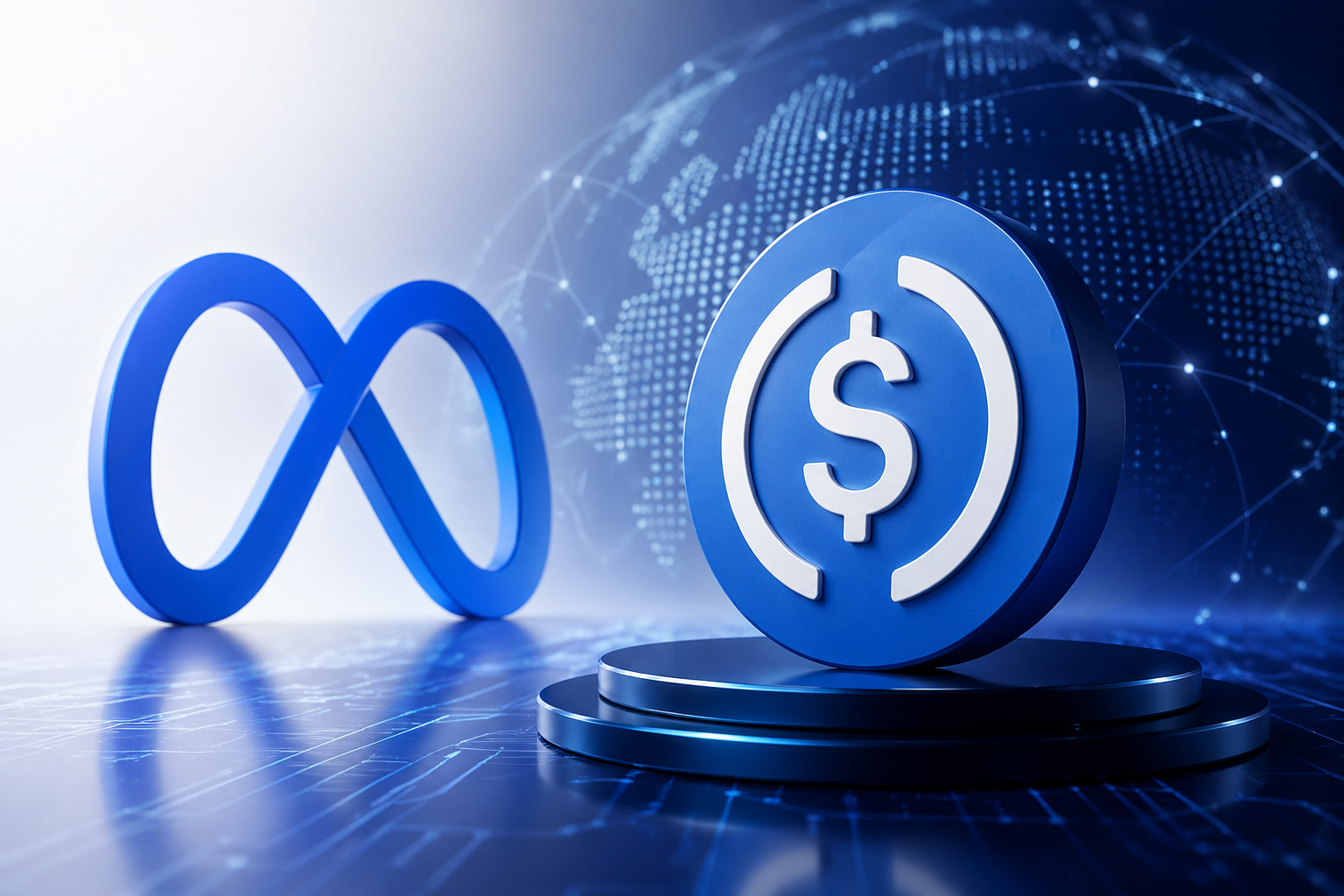
Meta is making one of its biggest moves into digital money yet, launching a new payout system that lets creators receive their earnings instantly with no banks, no delays, and no middlemen. The company is bringing in support for USD Coin (USDC), a type of digital currency that holds the same value as the US dollar, moving away from slow, traditional payment methods in favor of a faster and more modern way to pay its creators.
The rollout kicks off in Colombia and the Philippines, two markets where sending money across borders is common but often costly and time-consuming. By building stablecoin payouts directly into its platform, Meta is betting that quicker, more straightforward digital payments could change the way millions of creators around the world get paid.
Instant, On-Chain Payments
Taking that a step further, Meta’s adoption of USDC payouts means creators no longer have to wait days for their money to arrive. While traditional bank transfers, particularly international ones, can take several business days, stablecoin transactions settle on blockchain networks within minutes, making the payment process feel almost as immediate as sending a text message.
What makes USDC a practical choice is its stability. Unlike other cryptocurrencies that can swing wildly in value, USD Coin holds a steady 1:1 value with the US dollar, so creators receive exactly what they earned without worrying about price changes. This approach also cuts out the middlemen that typically slow payments down, pile on conversion fees, and chip away at what creators actually take home.
Lower Costs and Borderless Access
For creators working across borders, every peso, peso, or dollar lost to fees is money that should have been theirs. Traditional payment systems have long been the silent tax on creator earnings, and Meta’s stablecoin integration is directly targeting that problem.
Here is what changes with stablecoin-based payouts:
- No correspondent banks. Cross-border transfers typically pass through multiple banking intermediaries, each adding delays and fees. Stablecoin transactions skip this chain entirely.
- Fewer currency conversion costs. Because USDC is pegged to the US dollar, creators avoid the unpredictable spreads that come with foreign exchange conversions through traditional banks.
- More predictable earnings. Without hidden charges eating into payouts, creators can better plan and manage their income.
This change matters most in markets like the Philippines, where millions rely on digital platforms as a primary source of income and regularly deal with the headaches of receiving international payments. For these creators, faster and cheaper payouts are not just a convenience but a meaningful financial upgrade.
A Platform With a Bigger Purpose
This move is also part of a much bigger picture for Meta. Social platforms are no longer just places to post content or run ads; they are quickly becoming financial tools that support creators from building an audience all the way to getting paid.
It is worth noting that Meta has tried something like this before. The company previously launched its own digital currency called Libra, which was shut down after facing heavy pushback from regulators around the world. This time, Meta is taking a more practical approach by using USDC, an already regulated and widely accepted stablecoin, rather than creating its own currency from scratch.
The result is a strategy that avoids most regulatory hurdles while still delivering the speed and cost benefits that blockchain payments make possible.
Implications for the Creator Economy
The impact of this move goes well beyond faster payouts. For creators, quicker access to funds means better cash flow, and fewer fees mean more of their earnings actually stay in their pockets.
There is also a bigger opportunity ahead. As creators receive earnings in USDC, they get a natural way into decentralized finance, where they could potentially put those funds to work through lending, saving, or other blockchain-based financial tools without ever leaving the platform.
Looking at the bigger picture, this rollout points to where things are headed. As more platforms explore similar features, the line between social media and financial services keeps getting thinner. Meta’s move suggests that stablecoins are no longer just for traders or crypto enthusiasts but are becoming a practical and dependable way to pay people at scale.
Final Thoughts
Meta’s stablecoin launch may be starting small, but its implications are hard to ignore. For too long, creators have had to accept that a portion of their hard-earned income would disappear into fees and waiting periods. That is now starting to change. And if this experiment pays off, it could set a new standard for how every major platform handles creator payments going forward. In many ways, this is not just a win for creators in Colombia and the Philippines, but a glimpse of what a fairer, faster, and more accessible digital economy could look like for everyone.
Frequently Asked Questions
What is Meta’s new USDC payout feature?
Meta Platforms has introduced a payout system that lets creators receive earnings using USD Coin, enabling fast, on-chain payments without relying on banks.
Which countries are included in the rollout?
The feature is initially available in Colombia and the Philippines, with potential expansion to more regions if adoption is successful.
How fast are USDC payouts compared to bank transfers?
USDC payouts settle within minutes on blockchain networks, while traditional bank transfers, especially cross-border, can take several days to complete.
How does this reduce costs for creators?
Stablecoin payouts remove intermediaries like correspondent banks and reduce foreign exchange fees, allowing creators to keep more of their earnings.
Can creators use USDC beyond receiving payments?
Yes, creators can use USDC for other blockchain-based financial activities, including saving, lending, or participating in decentralized finance.