
Key Takeaways:
- Form 1099-DA forces US exchanges to report all 2025 crypto transactions automatically, but they can’t include your cost basis
- Over 50% of American crypto holders surveyed fear IRS penalties as they must manually fix missing purchase data
- Crypto tax compliance sits under 20% currently, but new rules aim to jump that to 80% in one year
US crypto holders are facing confusing new IRS rules this tax season. Exchanges must now report your 2025 transactions automatically through Form 1099-DA. But there’s a big problem brewing. They can’t report your cost basis at all. A recent survey shows over 50% of American crypto investors worry about IRS penalties. The shift from self-reporting to automatic tracking caught millions off guard. Tens of millions will receive these forms over the coming weeks.
What Actually Changed With the New IRS Rules for US Crypto Exchange Reporting?
The Infrastructure Investment and Jobs Act pushed through major changes to crypto tax reporting. Form 1099-DA now makes brokers like Coinbase report all your sales and exchanges from 2025. The IRS wants clear eyes on investor gains and losses. They’re cracking open customer data inside exchanges for the first time ever.
The goal sounds straightforward enough. Compare what brokers report against what taxpayers file. Remove any wiggle room for errors. But the execution created a mess instead.
Andrew Duca from Awaken Tax doesn’t mince words. He calls the rules a “blunt instrument” made by people who don’t get crypto. The rules treat crypto exactly like stocks. But crypto works totally differently. Real users move assets between wallets all the time. They use DeFi protocols with complicated trading strategies.
Exchanges hit a wall with these requirements. Companies like Coinbase can only tell the IRS what you sold crypto for. They can’t report your tax basis. Tax basis means what you paid originally plus any fees. You need both numbers to figure out capital gains or losses properly.
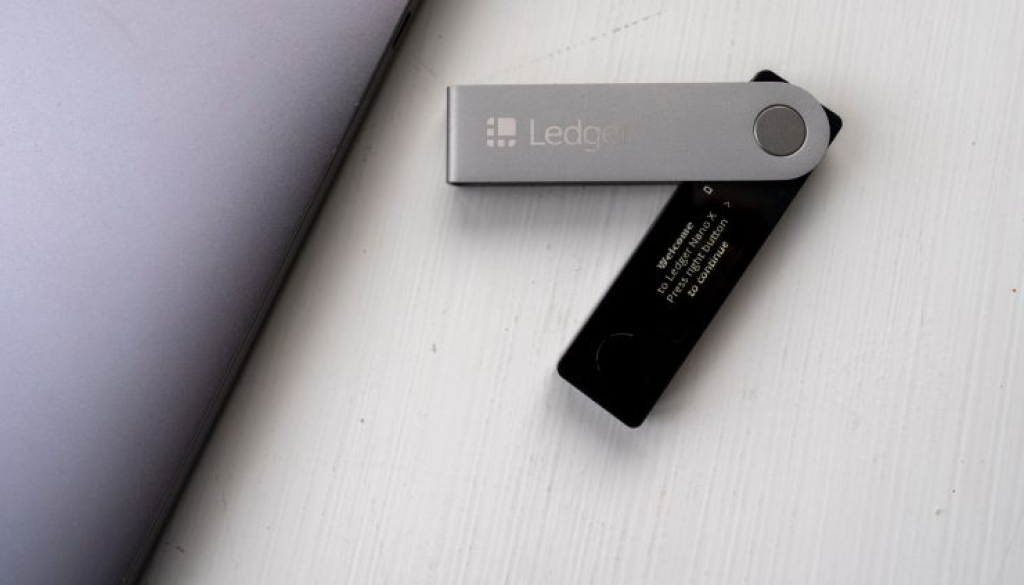
Here’s where it gets messy. You buy Bitcoin and keep it safe in your Ledger wallet. Months later you send it to Coinbase to sell. Coinbase has zero clue what you originally paid for that Bitcoin. They can’t see your purchase price. So they send incomplete forms to the IRS. The 1099-DA shows what you sold for but completely misses what you bought for.
Learning about crypto wallet security matters more now. Your wallet history holds the purchase records exchanges can’t access. This gap creates all the reporting confusion.
Why Are So Many Crypto Holders Scared Right Now?
Awaken Tax asked 1,000 American crypto investors what they think. They ran the survey in late January. Over half said they’re genuinely scared of IRS penalties this year. The sudden jump from casual self-reporting to strict automatic tracking freaked people out.
Current crypto tax compliance is pretty terrible. Less than 20% of crypto holders report what they should. Duca shared that number publicly. The new rules want to rocket that from 20% to 80% in just twelve months. That’s a huge enforcement jump in no time.
The fear comes from real problems with how this rolled out. Exchanges send forms with holes in the data. Holders have to manually fix the missing cost basis stuff. The whole burden lands on individual taxpayers. Mistakes could easily trigger audits or penalties. Most people don’t have good record systems set up.
Coinbase knows this creates confusion. They’ve said so publicly. The job of “patching” missing info falls completely on crypto holders. You have to use Form 8949 to fill the gaps yourself. That means digging up old acquisition costs and calculating your real tax basis.
Reddit threads already filled up with people sharing tips. Users are scrambling to organize years of transactions across different platforms. Many moved crypto between various wallet types without keeping any detailed notes.
Tax reporting for crypto stayed pretty loose for years. Now sudden strict rules catch millions totally unprepared. People who casually bought some Bitcoin years back face complex calculations. They need to rebuild purchase histories from scattered incomplete records.
How Does This Form 1099-DA Thing Actually Work?
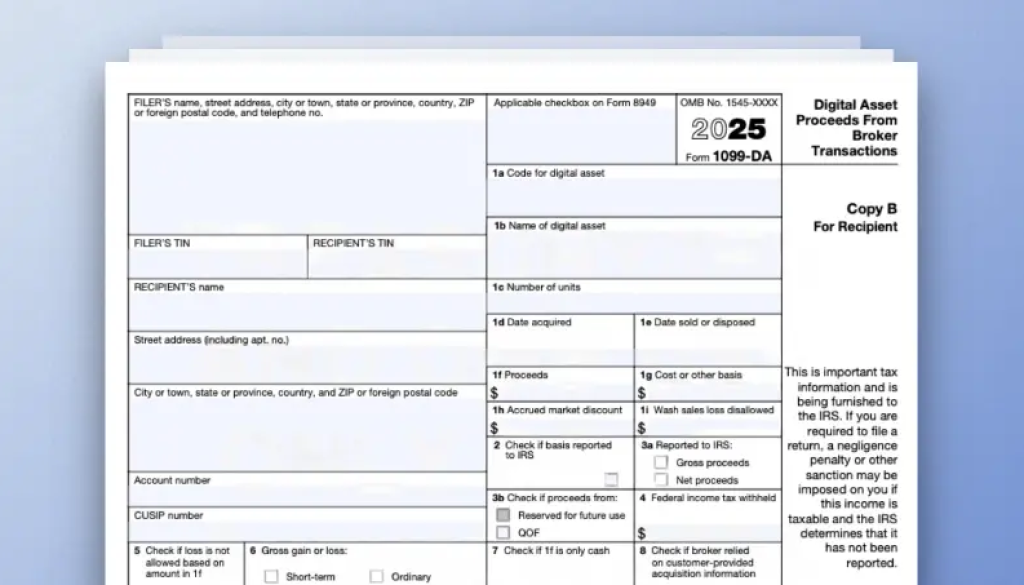
Form 1099-DA stands for “Digital Asset Proceeds From Broker Transactions.” Brokers send this to both the IRS and you. It covers every digital asset transaction you made during 2025. The form tracks investment amounts and any profits or losses.
Every licensed US crypto exchange has to fill this out for clients. That means Coinbase, Kraken, Binance.US, and all the others. Reporting kicked in for anything happening January 1, 2025 onward.
The IRS treats digital assets as property instead of currency. This distinction really matters for taxes. Property deals follow different rules than money exchanges. Digital assets include stuff like Bitcoin and other cryptos. They also count stablecoins and NFTs.
Each transaction needs specific details on the form. Date of your sale or exchange goes on there. Gross proceeds from what you sold. Description of which crypto you traded. Whether it counts as short-term or long-term holding.
What’s missing from the form creates the real headache. Brokers can’t put your cost basis because they usually don’t have it. Cost basis covers what you paid plus all the fees and acquisition costs.
You have to hunt down this missing info yourself. Form 8949 lets you report the complete picture. You calculate gains or losses using both numbers. The 1099-DA shows proceeds. Your records show cost basis. Tools like CoinLedger help track everything across platforms.
What Steps Should You Take Right Now?
The new IRS rules for US crypto exchange reporting need your attention today. Waiting until April creates unnecessary stress and potential errors. Here’s what you should do now to get ahead of this.
Start pulling together all your transaction records. Grab data from every exchange you’ve ever used. Download those CSV files from Coinbase and Kraken. Don’t forget DeFi transactions from your wallet history either.
Write down your cost basis for each purchase you made. Find those old confirmation emails or purchase receipts. Add up all the fees you paid. Track when you moved crypto between different wallets or exchanges.
Sort everything by tax year starting with 2025 first. Split short-term stuff (under one year) from long-term holdings. The IRS taxes these at totally different rates. Short-term gains get hit with ordinary income rates. Long-term gains catch a break with lower rates.
Think about using specialized crypto tax software. Platforms like CoinLedger pull transaction data automatically. They crunch the numbers for gains and losses across exchanges. These tools spit out the exact forms you need for filing.
Double check your wallet security while you’re organizing. Keep tax documents in encrypted storage. Use hardware wallets like Ledger for long-term holdings. Take notes about your wallet backup methods too.
Build better tracking systems for next year. Don’t wait until tax season rolls around again. Log every transaction right when it happens. Write down purchase prices, exact dates, and all fees immediately. This saves you from tax time panic.
Duca admits the rules aren’t well designed. They’re “horrible for crypto users” in his exact words. But regulators pushed through what they could do fastest. The heavy-handed approach wants to force quick compliance jumps.
Things will probably get better eventually. Future updates might make exchanges report full cost basis. Congress could pass bills simplifying stablecoin transactions. The December 2025 proposal talked about exemptions for small purchases.
Right now though, crypto holders carry the weight. Good records keep you safe from penalties. Time spent organizing now prevents major problems later. The IRS already has your exchange data. Your filing better match what they received.
Frequently Asked Questions
What is Form 1099-DA and who gets one?
Form 1099-DA reports your crypto sales and exchanges directly to the IRS. Every US crypto exchange user gets one covering their 2025 transactions. Brokers like Coinbase send copies to you and the tax agency showing sale proceeds.
Why can’t my exchange report cost basis?
Exchanges only track what happens on their own platform. If you bought Bitcoin somewhere else or stored it in a personal wallet first, they don’t know your purchase price. They report what you sold for but not what you paid.
How do I fill in the missing cost basis?
Use Form 8949 to add your cost basis manually. Dig up original purchase records and wallet transaction histories. Calculate gains by subtracting your cost basis from the sale proceeds shown on Form 1099-DA.
Will mismatches trigger IRS problems?
Differences between your filing and broker reports can definitely cause IRS inquiries or audits. Keep solid documentation of all purchases, transfers, and fees paid. Crypto tax software helps match numbers and provides backup for your calculations.
Do my DeFi transactions count under these rules?
Yes, every digital asset transaction needs reporting no matter where it happened. DeFi trades, wallet transfers, and exchange activity all count. Track everything for complete compliance even though exchanges can’t see DeFi stuff.