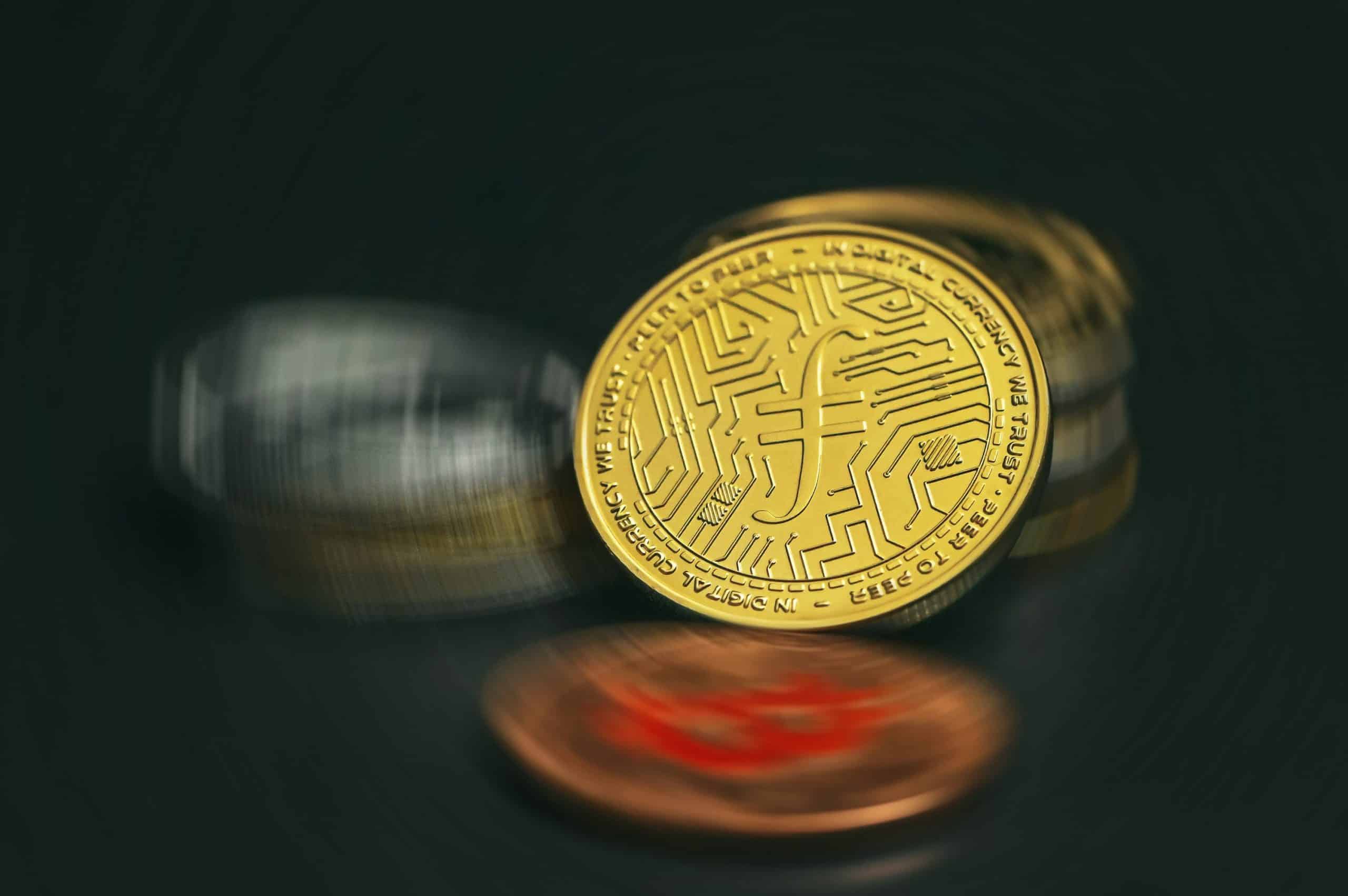
Telegram has begun rolling out its native, non-custodial Gram Wallet, giving users self-custody over crypto directly inside the app for the first time. Telegram CEO Pavel Durov announced the debut, describing it as a foundational piece of the app’s push to put self-custody in reach of its entire user base. Gram Wallet lets users send GRAM tokens, make payments, and buy in-app items like usernames and premium numbers directly inside chats, with no fees and no KYC requirement.
How the Gram Wallet Rollout Is Structured
The rollout is happening in two stages. A limited group of users already has access, and Telegram plans to expand that access gradually to its user base of more than 1 billion people over the coming weeks.
Users can check their account settings to see whether Gram Wallet has been activated for them yet. Once live, Gram Wallet will sit as the default self-custody option in Telegram’s settings menu.
Durov said validators have already approved the smart contract powering the wallet, meaning future upgrades won’t require users to migrate to new wallet contracts. Durov has called it the largest non-custodial crypto wallet launch in history, and the rollout follows an announcement earlier this summer that laid out Telegram’s plans for the wallet across all of its apps.
What Gram Wallet Actually Does
Gram Wallet is built around GRAM, the native token that also powers Telegram’s in-app economy. Inside the wallet, users can hold GRAM, send it to other Telegram users in a chat window, and spend it directly on things like custom usernames and premium phone numbers without leaving the conversation.
Because the wallet is non-custodial, Telegram never takes possession of a user’s funds. Private keys stay on the user’s device, which means Telegram cannot freeze, reverse, or recover a transaction on a user’s behalf. That is a meaningful shift for an app whose everyday users are far more accustomed to bank-style safety nets than to self-custody.
The Bigger Bet Behind the Move
The rollout is one piece of a longer roadmap from Telegram co-founder Pavel Durov, an initiative he’s called “Make TON Great Again,” or MTONGA. The seven-step plan aims to turn the TON network into Telegram’s core financial layer, with Gram Wallet acting as the on-ramp that puts a TON-based wallet in front of over a billion existing Telegram users.
An earlier step in that plan saw the TON network’s token reclaim its original “Gram” branding, a name it had dropped years earlier after a settlement with the U.S. Securities and Exchange Commission.
Telegram has not laid out a firm timeline for when Gram Wallet will reach all users, but the pace of the current rollout suggests the company wants broad distribution well before the rest of the MTONGA roadmap plays out. Durov first previewed the wallet earlier this summer, and Telegram continues to post updates as the rollout expands.
What This Means for You: Gram Wallet is rolling out gradually, so it may not appear in your Telegram settings yet. If it does, it’s non-custodial: you hold your own keys, and there’s no support line if you send funds to the wrong address or lose access, unlike an exchange account such as Coinbase, where the company holds the assets for you.