A crypto wallet linked to a 20-year-old fraud suspect in Thailand processed more than $122.5 million over 10 months, moving proceeds from romance scams through cross-chain token swaps designed to hide where the money came from. Thai police arrested two people in the case, part of a coordinated crackdown spanning 97 countries called Operation First Light 2026. Interpol reported 5,811 arrests and $293 million in illicit assets intercepted worldwide, tied to fraud and money laundering.
Inside the $122M Laundering Trail
Interpol’s recent release said Thai authorities traced a wallet connected to the 20-year-old suspect, accused of laundering proceeds from romance scams, also known as ‘pig butchering scams’, where a scammer builds a fake relationship online before steering the victim into a fraudulent crypto investment. The $122.5 million figure reflects money that passed through the wallet across the 10-month span, not a balance sitting there at any single point.
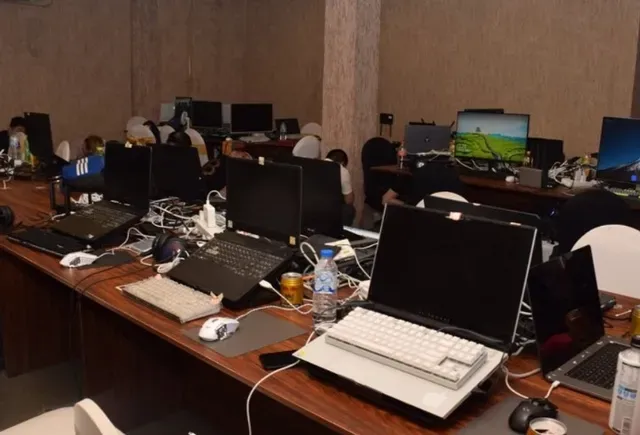
Source – Interpol
Investigators said the funds moved through cross-chain token swaps, a method that shifts crypto between different blockchains, making the money harder to trace. Interpol did not name the wallet address, identify the specific cryptocurrencies or chains involved, say how much of the total came directly from theft, or disclose how much Thai authorities recovered.
The Thailand case was one thread in a far wider operation. Interpol counted 5,811 arrests across 97 countries and territories, alongside $293 million in intercepted assets and more than 142,000 identified victims globally.
What This Means for Crypto Users
Cross-chain swaps make stolen funds harder for victims and investigators to follow once the money enters the crypto system, which is part of why romance scams so often end with proceeds vanishing into wallets that never resurface.
Treating unsolicited investment advice from a new online contact as a warning sign remains one of the most reliable protections available. For a closer look at how these schemes typically unfold, our guide to common crypto scams breaks down the patterns to watch for.
What to Watch Next
Interpol has not said whether additional wallets from Operation First Light 2026 will be named as the investigation proceeds, though the recent release noted that units across Europe and Southeast Asia are still processing seized devices and financial records connected to the case. Any update naming the specific chains involved or the amount Thai authorities recovered would most likely come through Thailand’s national police or a follow-up Interpol statement.
What this means for you: If someone you’ve only met online starts encouraging you to move money into crypto, verify their identity and the platform independently before sending anything, since recovering funds after a scam like this is rare once the funds have moved through a cross-chain swap.