

Key Takeaways:
- Bitso vs Strike depends on whether you want diversified investments or Bitcoin-focused remittances
- Bitso serves Latin American markets with stocks, crypto, and USD accounts
- Strike specializes in Lightning Network payments with near-zero international transfer fees
Bitso vs Strike presents a choice between a comprehensive financial platform and a specialized Bitcoin tool. Bitso operates as a multi-asset super app offering 150+ cryptocurrencies and 5,000+ stocks across Latin America. Strike focuses exclusively on Bitcoin and Lightning Network payments with ultra-low fees across 70+ countries. Bitso charges 0.5-0.6% fees while Strike starts at 0.49% or lower.
What Makes Bitso Different from Strike?
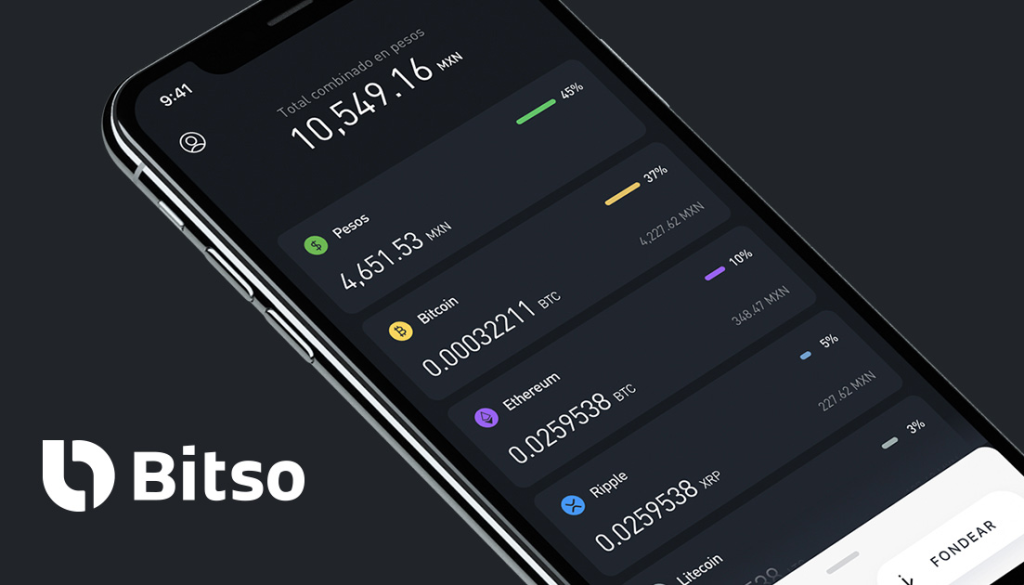
Bitso vs Strike shows fundamentally different platform philosophies. Bitso evolved into a comprehensive financial ecosystem serving Latin American users. The platform offers cryptocurrency trading, stock investing, and banking-like features through a single app.
Users can trade over 150 cryptocurrencies on Bitso. The selection includes major assets like Bitcoin and Ethereum plus numerous altcoins. This variety appeals to investors wanting exposure across different crypto sectors.
Bitso recently integrated Global Stocks allowing fractional share purchases. Users buy pieces of companies like Tesla or Nvidia starting at just $1 USD. This stock trading capability differentiates Bitso from pure cryptocurrency platforms.
The virtual USD account feature serves users in Mexico and Argentina particularly well. Customers receive free virtual accounts for ACH transfers from the United States. This solves the challenge of accessing dollar-denominated accounts in high-inflation countries.
Bitso Yields provides passive income on cryptocurrency holdings. The platform pays approximately 4% on USDC with higher rates on assets like ATOM or ETH. Payouts happen every Monday providing regular income streams.
Strike operates with laser focus on Bitcoin and Lightning Network technology. The platform doesn’t offer altcoins or stock trading. This simplicity appeals to Bitcoin-focused users who don’t want platform bloat.
The Lightning Network integration gives Strike unique speed advantages. Transactions settle almost instantly compared to traditional blockchain confirmations. This makes Strike ideal for sending money to Mexico and other corridors.
How Do Fees Compare Between Platforms?
Bitso vs Strike reveals different fee structures serving different user types. Bitso charges tiered fees starting at approximately 0.5-0.6% for retail trades. Volume discounts reduce fees for active traders. The structure resembles traditional exchanges.
Trading fees apply to both cryptocurrency and stock purchases on Bitso. The combined fee structure remains competitive within Latin American markets. Users pay for the convenience of multi-asset access.
Bitso Transfer offers instant, fee-free transfers between Bitso users. This internal transfer system works like Venmo for cryptocurrency. Friends and family exchange value without transaction costs.
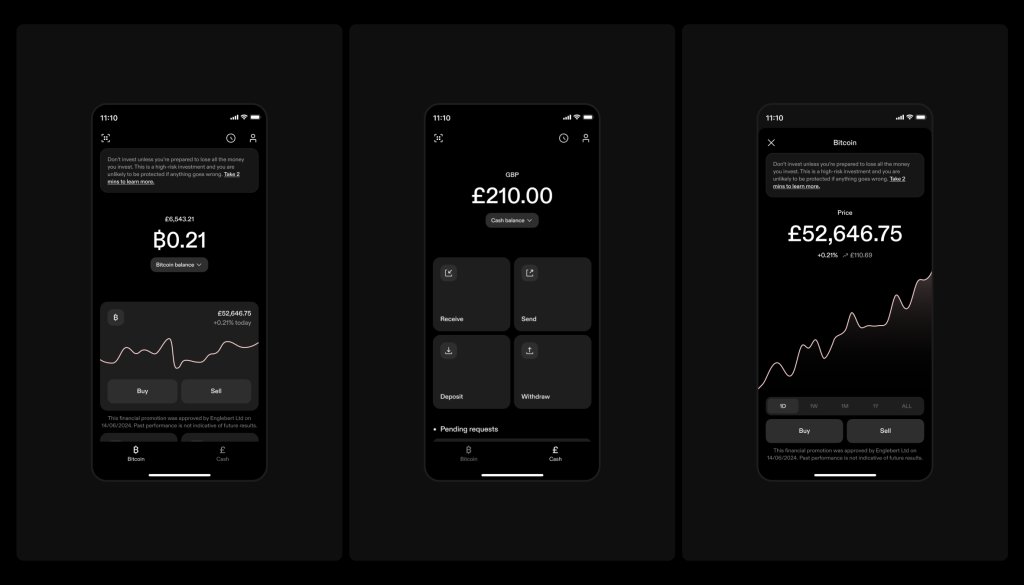
Strike charges starting fees at 0.49% or lower for Bitcoin purchases. The platform maintains some of the thinnest spreads in the industry. This pricing makes Strike attractive for frequent Bitcoin buyers.
Strike’s “Send Globally” feature operates with near-zero fees for international remittances. Users send dollars from the U.S. while recipients receive local currency instantly. The Lightning Network eliminates traditional correspondent banking costs.
Recurring Bitcoin purchases become fee-free after the first week on Strike. This encourages dollar-cost averaging strategies. Long-term Bitcoin accumulators benefit significantly from this structure.
The fee comparison favors different platforms depending on use case. Multi-asset traders accept Bitso’s fees for diversification. Bitcoin-only users save money with Strike’s focused approach.
Which Platform Serves More Countries?
Bitso vs Strike shows different geographic strategies. Bitso concentrates on Latin American markets with deep regional integration. The platform operates primarily in Mexico, Argentina, Brazil, and Colombia.
Mexico represents Bitso’s largest market with millions of active users. The platform became the first cryptocurrency exchange licensed by Mexican regulators. This regulatory approval provides legitimacy and consumer protection.
Argentina’s high inflation drives Bitso adoption as a dollar-access tool. Users convert pesos to USDC or other stablecoins for value preservation. The virtual USD account feature particularly appeals to Argentine customers.
Brazil’s large population makes it strategically important for Bitso. The platform offers localized features for Brazilian users. Integration with local payment systems simplifies deposits and withdrawals.
Colombia rounds out Bitso’s core markets with growing adoption. The platform supports peso deposits and trading. Colombian users access the same multi-asset features as other regions.
Strike operates across 70+ countries spanning North America, Europe, and select other markets. The platform focuses on developed markets with strong Bitcoin adoption. Coverage includes the United States, United Kingdom, and European Union countries.
U.S. users represent Strike’s primary market. The platform obtained necessary licenses for operating in American states. Strike works seamlessly with U.S. bank accounts.
European expansion brought Strike to multiple EU countries. Users can send and receive payments across borders efficiently. The Lightning Network enables fast euro and dollar conversions.
Strike’s global remittance corridors extend to developing markets. Recipients in the Philippines, Mexico, and Nigeria can receive funds. However, senders typically reside in developed countries.
What Investment Options Does Each Platform Offer?
Bitso vs Strike presents vastly different investment philosophies. Bitso provides comprehensive investment tools across multiple asset classes. The platform serves users wanting diversified portfolios beyond cryptocurrency.
Cryptocurrency selection on Bitso includes:
- Major cryptocurrencies: Bitcoin, Ethereum, and other top-10 assets
- DeFi tokens: Tokens from decentralized finance protocols
- Layer-1 blockchains: Alternative smart contract platforms
- Stablecoins: USDC, USDT, and other dollar-pegged assets
Stock investing capabilities opened new possibilities for Bitso users. The platform offers fractional shares of 5,000+ U.S. stocks and ETFs. Minimum investment amounts start at just $1 making investing accessible.
Popular stocks available include technology leaders like Apple, Google, and Microsoft. Users build diversified portfolios combining crypto and traditional equities. This mixed approach appeals to investors hedging between asset classes.
Bitso Yields transforms idle holdings into income-generating assets. Interest rates vary by cryptocurrency with USDC offering approximately 4% annually. Higher-risk assets like ATOM provide potentially higher yields.
Strike offers exactly one investment option: Bitcoin. The platform makes no apologies for this singular focus. Bitcoin maximalists appreciate the lack of distraction from altcoins.
Strike’s approach emphasizes Bitcoin utility rather than speculation. The Lightning Network enables instant Bitcoin payments globally. Users spend Bitcoin directly rather than just holding for appreciation.
Bitcoin-backed loans launched as a new Strike feature in 2026. Users borrow cash against Bitcoin holdings without selling. The BTC serves as collateral with no credit checks required.
Which Platform Works Better for Remittances?
Bitso vs Strike for remittances shows Strike’s specialized advantage. Strike built its reputation on ultra-low-cost international transfers. The “Send Globally” feature uses Lightning Network for instant settlement.
Strike’s remittance process converts dollars to Bitcoin momentarily during transfer. Recipients receive local currency without touching Bitcoin directly. The entire process happens in seconds rather than days.
Fees for Strike remittances often total under 1% including all conversion costs. Traditional services like Western Union charge 5-10% for similar transfers. The savings become substantial for regular senders.
Strike supports major remittance corridors from developed to developing countries. Popular routes include U.S. to Mexico, U.S. to Philippines, and U.S. to Nigeria. Recipients cash out through local partners.
Bitso Transfer works excellently for person-to-person transfers between Bitso users. Both parties need Bitso accounts for the instant, free transfer feature. This limits usefulness for recipients without platform access.
Bitso’s multi-currency support helps users in Latin America send regionally. Someone in Mexico can send to Argentina or Brazil easily. The platform handles currency conversions automatically.
The virtual USD account feature supports receiving remittances from the United States. Mexican and Argentine users receive ACH transfers from U.S. senders. This works for employment payments or family support.
Strike wins decisively for pure remittance use cases. The platform was purpose-built for this application. Bitso serves remittances adequately within its ecosystem but lacks Strike’s specialized infrastructure.
Frequently Asked Questions
Which is better for beginners, Bitso or Strike?
Bitso offers a more comprehensive platform but requires learning multiple features. Strike provides simpler Bitcoin-focused interface. Choose based on whether you want diversification or simplicity.
Can I buy stocks on Strike?
No, Strike focuses exclusively on Bitcoin and doesn’t offer stock trading. Bitso provides access to 5,000+ U.S. stocks and ETFs alongside cryptocurrency.
Which platform has lower fees?
Strike generally offers lower fees starting at 0.49% for Bitcoin purchases. Bitso charges 0.5-0.6% but provides multi-asset access. Strike wins on pure cost basis.
Does Bitso work in the United States?
Bitso primarily serves Latin American markets and doesn’t operate in the U.S. Strike serves American users along with 70+ other countries globally.
Can I earn interest on Bitcoin?
Bitso offers yields on various cryptocurrencies including Bitcoin through Bitso Yields. Strike focuses on Bitcoin utility rather than yield generation.