Key Takeaways:
- Solana Prediction: Most analysts put SOL price targets between $180 and $600 for 2026, with some outliers going higher.
- A spot Solana ETF approval in the US could push prices up significantly.
- Solana’s DeFi and DEX trading volume gives it strong fundamentals, but network congestion is still a real concern.
Solana has been one of the most talked-about blockchains over the past two years. After bouncing back from the FTX fallout and climbing back into the top five by market cap, SOL is getting serious attention from analysts heading into 2026. The forecasts vary widely, though, and for good reason. There are real catalysts that could push SOL much higher, and real risks that could hold it back. Here’s a clear look at where analysts agree, where they split, and what’s driving those price targets.
What Are Analysts Predicting for SOL in 2026?
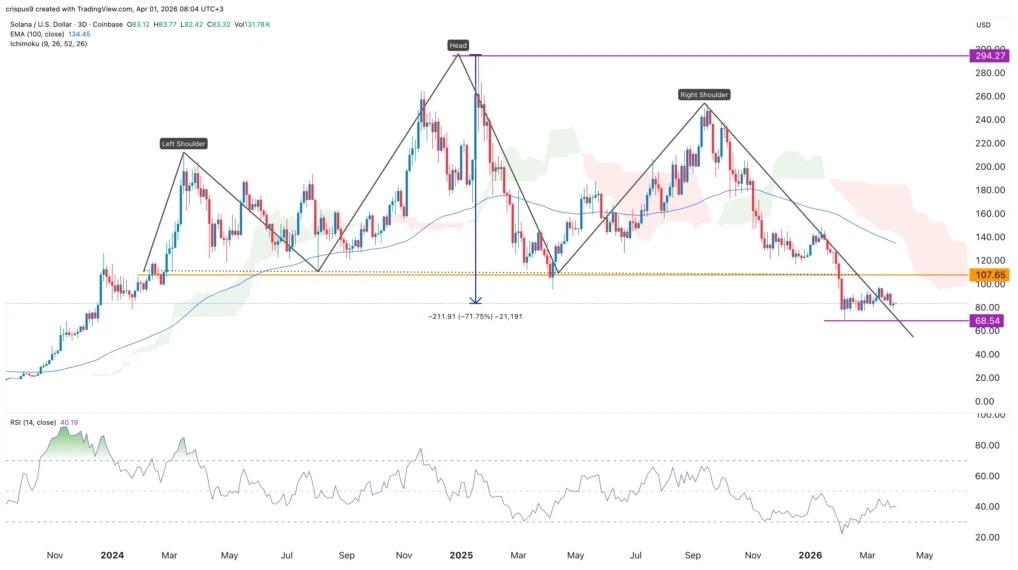
Most 2026 price forecasts for Solana fall somewhere between $180 on the low end and $600 or more on the high end. A few aggressive calls push toward $700 to $1,000, but those depend on several crypto-specific conditions all lining up at once.
The wide spread in these numbers reflects real uncertainty. Analysts aren’t just disagreeing on sentiment. They’re disagreeing on whether key catalysts, like a spot Solana ETF, will actually happen in 2026.
Where Do the Bullish Targets Come From?
Bullish analysts point to a few concrete factors worth knowing:
- ETF approval: The SEC approved spot Bitcoin ETFs in early 2024, and Ethereum ETFs followed. If a spot SOL ETF gets approved in 2026, institutional money would likely flow in fast. Firms like VanEck and 21Shares have already filed for Solana ETFs.
- DeFi activity: Solana consistently ranks among the top chains by DEX trading volume. Platforms like Jupiter and Raydium have pulled in billions in monthly volume, and that real usage supports higher valuations.
- Stablecoin and payments growth: Solana has become a major settlement layer for stablecoins, especially USDC. PayPal and Visa have both used Solana rails for transactions.
These are measurable trends with real traction, not just speculative narratives.
Where Do the Bearish Cases Land?
Bears aren’t ignoring Solana’s growth. They’re questioning whether the price already reflects it. Their main concerns include:
- Network congestion: Solana has hit repeated slowdowns during peak load. The 2024 memecoin cycle showed how quickly the network can struggle. Engineers are working on fixes, but the problem isn’t fully resolved yet.
- Competition: Ethereum layer-2s like Base and Arbitrum are growing fast and pulling DeFi market share. Sui and Aptos are also targeting the same high-throughput audience.
- Macro conditions: A risk-off environment in traditional markets usually hits high-beta assets like SOL harder than Bitcoin or Ethereum.
What Could Push SOL Above $500 in 2026?
A few scenarios could stack together and push SOL into the higher end of analyst forecasts. None are guaranteed, but each has a plausible path.
Could a Spot SOL ETF Change Everything?
A spot ETF is probably the single biggest catalyst for SOL in 2026. When spot Bitcoin ETFs launched in January 2024, BTC surged in the months that followed. A Solana ETF would open the door for pension funds and wealth managers to buy SOL exposure without managing a wallet.
The regulatory environment matters here. The SEC has shown more openness to crypto products recently. If filings from VanEck or Grayscale move through approval in early 2026, the market would likely price it in before launch.
Can DeFi and On-Chain Activity Keep Growing?
Solana’s fee revenue and on-chain activity spiked sharply during the 2024 memecoin season. Memecoins alone aren’t a sustainable driver, but the broader pattern matters. When Solana is the go-to chain for new token launches and speculative trading, it attracts developers and liquidity. That cycle can build into more durable DeFi growth over time.
You can track Solana’s on-chain metrics through crypto analytics and on-chain data platforms to follow how activity trends develop in real time.
What Could Keep SOL Under $300 in 2026?
Not every analyst is optimistic, and the bearish cases aren’t baseless. A prolonged macro downturn would hurt SOL more than most large-cap assets. It carries higher beta than Bitcoin, meaning it tends to fall harder when markets turn risk-off.
Network reliability is also a genuine concern. Solana has made technical progress, but another high-profile outage during peak demand would shake confidence. Institutional investors pay close attention to uptime before allocating capital.
Competition from Ethereum’s layer-2 ecosystem is worth watching too. Coinbase‘s Base has seen rapid growth in users and developer activity. If Base captures more of the high-speed, low-fee use cases that Solana currently dominates, it could pressure SOL’s valuation going forward.
How Do You Buy or Store SOL in 2026?
If you’re planning to buy or hold SOL, a few practical steps will help you do it safely.
For active trading, platforms like Bybit, Kraken, Binance, and KuCoin all offer SOL spot and derivatives markets with solid liquidity.
For long-term holding, a hardware wallet cuts your custody risk significantly. Ledger and Trezor both support Solana. If you prefer something more portable, Tangem offers a card-style cold wallet that works with SOL too.
For tax reporting on your trades, tools like Koinly and CoinLedger handle Solana transactions and generate clean tax reports. You can also check out this guide on top cryptocurrency wallets to find a storage setup that fits your needs.
Frequently Asked Questions
What Is the Most Common Solana Price Prediction for 2026?
Most analyst forecasts place SOL between $180 and $600 for 2026. The midpoint of most models lands around $280 to $400, depending on whether key catalysts like ETF approval come through.
Will a Solana ETF Launch in 2026?
Several asset managers have already filed for spot Solana ETFs in the US. Approval isn’t certain, but the regulatory environment has shifted toward more openness. A 2026 approval is a realistic possibility.
Is Solana a Better Investment Than Ethereum in 2026?
That depends on your risk tolerance. Solana offers higher upside potential but also higher volatility. Ethereum has stronger institutional adoption and a more developed layer-2 ecosystem. Many investors hold both as part of a diversified crypto portfolio.
What Risks Should You Watch for With SOL in 2026?
Network congestion, competition from Ethereum layer-2s, and broader macro conditions are the main risks. A risk-off macro environment or another high-profile network outage could both put significant pressure on SOL’s price.