Key Takeaways
- Can XRP reach 1000 dollars? XRP at $1,000 would require a market cap exceeding $100 trillion, far larger than the entire global stock market.
- XRP’s total supply of 100 billion tokens is the primary reason the $1,000 price target is mathematically implausible.
- Realistic bullish price targets for XRP in a strong market cycle typically range from $10 to $30 based on supply math.
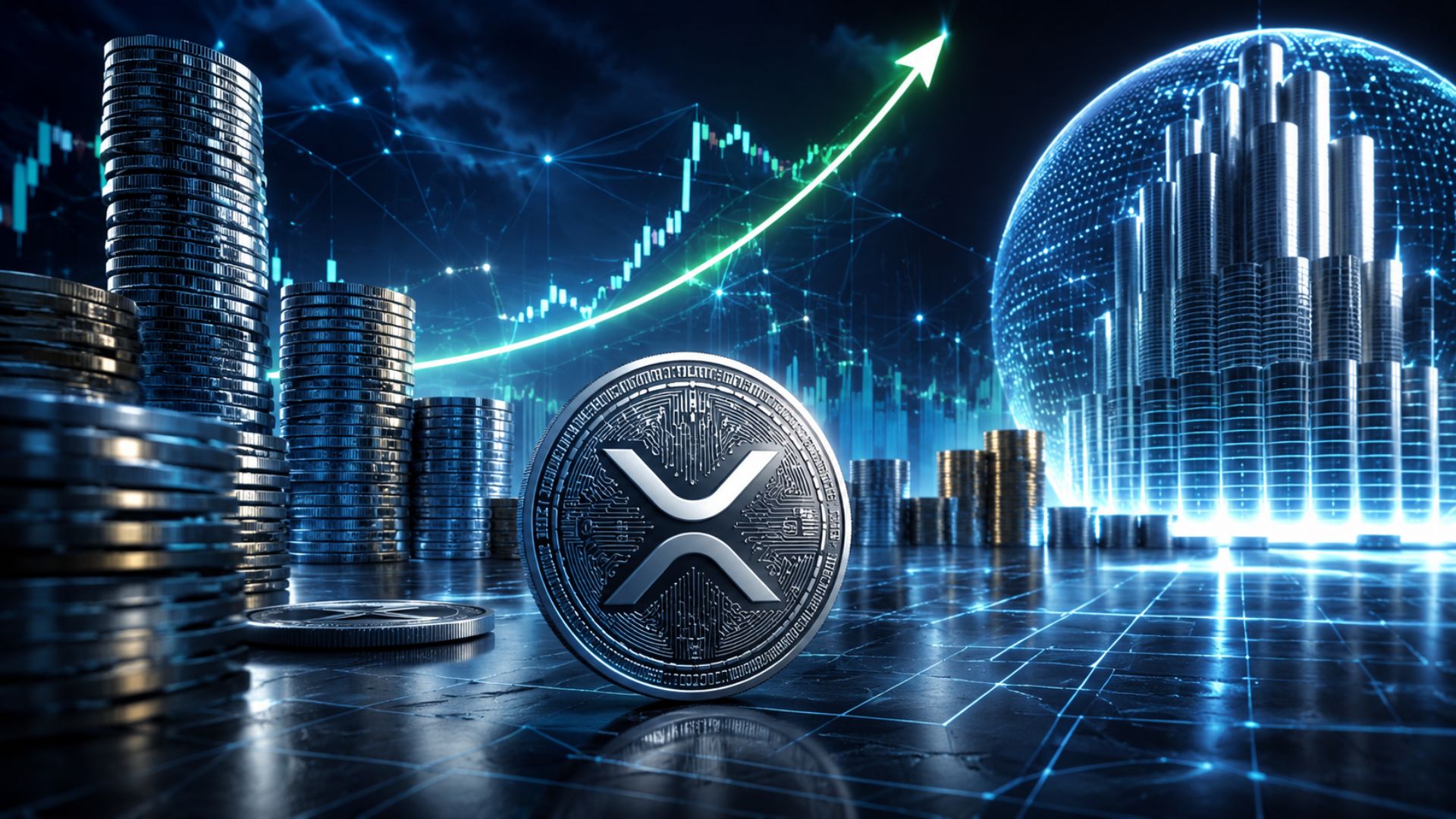
XRP is one of crypto’s most discussed and debated assets. It has a loyal and vocal community, a clear payment utility rooted in cross-border transactions, and years of SEC litigation that are now largely behind it. The $1,000 price target surfaces regularly in XRP conversations online and in social media threads. The market cap math behind that target, however, tells a very different story than the enthusiasm does, and the numbers deserve a direct look.
Why Does the Market Cap Calculation Change the Entire Conversation?
Cryptocurrency price targets only carry real meaning when placed alongside the supply figures behind them. XRP has a total supply of 100 billion tokens, with approximately 57 to 58 billion currently circulating on the open market and the rest held in escrow by Ripple, released gradually each month according to a fixed schedule.
At $1,000 per XRP, the circulating market cap alone would exceed $57 trillion. Using total supply, that figure rises above $100 trillion. For comparison, the entire US stock market is valued at roughly $40 to $50 trillion, and the entire global stock market totals approximately $100 to $110 trillion. XRP reaching $1,000 would require the asset to match or surpass the combined value of every publicly listed company on Earth, which no asset in history has come close to achieving. This is not pessimism about XRP specifically. It is straightforward arithmetic that applies regardless of community sentiment.
What Do Realistic XRP Price Targets Actually Look Like?
Accepting that $1,000 is mathematically implausible does not mean XRP lacks genuine upside worth paying attention to. The asset has real fundamentals that deserve evaluation on reasonable terms rather than inflated expectations.
What Makes XRP’s Payment Use Case Worth Noting?
Ripple’s core positioning places XRP as a bridge currency for international money transfers, and the practical case for this use case is grounded in a real problem. Traditional correspondent banking can take several business days and charges significant fees at each step along the chain. The XRP Ledger settles transactions in three to five seconds for a fraction of a cent per transfer, and Ripple has signed partnership agreements with financial institutions across Asia, the Middle East, and Latin America.
If XRP captures even a modest share of the global cross-border payments market, currently valued at over $150 trillion in annual flows, demand for the asset could grow in meaningful ways over time. Gaining that kind of traction in established financial infrastructure, however, is slow and measured work that plays out over years rather than months.
What Do Analyst Price Models Actually Project for XRP?
Analyst models that take XRP’s supply seriously tend to project targets in the $5 to $30 range for a strong bull market cycle. Reaching double digits from current levels would already represent substantial gains for investors who have held through the difficult years of litigation and uncertainty.
A $10 XRP price would imply a market cap of roughly $580 billion, comparable to Ethereum’s peak valuation, which is aggressive but not mathematically unreasonable. More aggressive models push toward $50 if institutional adoption accelerates and regulated XRP financial products gain broad approval in major markets.
What Factors Could Push XRP Higher in the Near Term?
A few conditions carry the most weight for XRP’s price direction over the next one to two years. Several positive developments are already underway that support a more constructive investment case for the asset going forward.
Here is what is worth watching closely:
- Regulatory clarity: The SEC lawsuit resolution removed a major overhanging risk from XRP. Further frameworks that legitimize XRP as a non-security in additional jurisdictions would open more institutional buying channels and expand the addressable investor base.
- XRP ETF approval: Multiple asset managers filed for XRP spot ETFs in 2026, and approval would bring XRP to institutional portfolios and retirement accounts that currently cannot hold it directly. This would expand the potential buyer base significantly.
- Ripple’s expanding partnerships: New banking agreements and broader XRP Ledger adoption for real-time settlement directly increase real-world utility and the underlying demand for the token over time.
- Broader market conditions: Like all crypto assets, XRP performs best during periods of strong market optimism and institutional risk appetite, so macro conditions remain a key variable in any near-term price analysis.
Frequently Asked Questions
How High Can XRP Realistically Go?
Based on current supply figures, most analysts see realistic upside targets for XRP between $5 and $30 in a bull market cycle. Reaching $50 or higher would require exceptional institutional adoption and significant capital flowing into the broader crypto market simultaneously.
Why Do Some People Predict XRP at $1,000?
The $1,000 target circulates mainly within XRP’s retail community and typically does not account for the supply math at all. Some predictions assume large amounts of XRP will be burned or that total supply will drop dramatically over time, but neither has happened at any meaningful scale to date.
What Happened With the XRP and SEC Lawsuit?
Ripple and the SEC reached a resolution after years of contentious litigation. A key ruling determined that XRP sold on public exchanges did not constitute an unregistered securities offering. This outcome removed the most significant legal risk from XRP and opened the door to wider institutional participation in the asset.
Is XRP a Good Investment in 2026?
XRP’s improved regulatory position, clear payment utility, and potential ETF approval make it a more straightforward investment case than it was during the lawsuit years. However, its large circulating supply limits per-token price upside compared to assets with smaller supplies, so position sizing and having a clear exit plan matter more with XRP than with lower-supply assets.