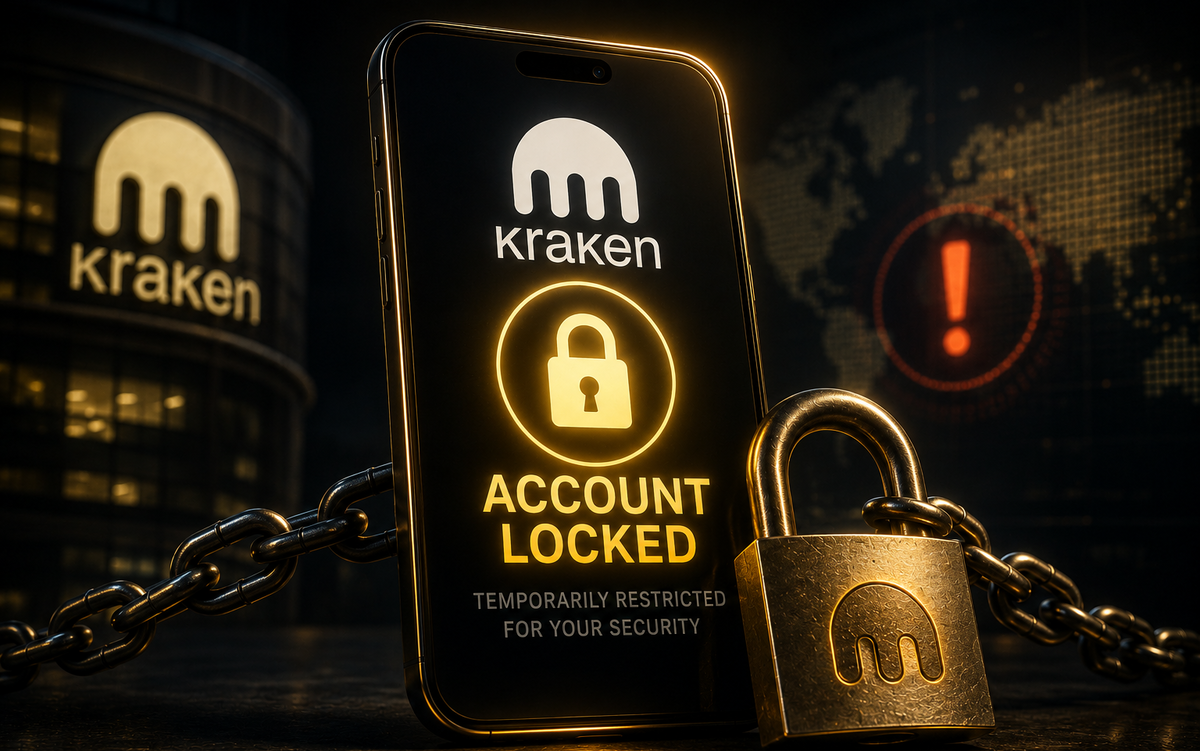
Kraken briefly locked customer accounts this week after a wave of tiny, unsolicited crypto transfers linked to sanctioned exchange HTX hit its platform, according to a Bloomberg report first published August 25. The exchange has since restored access, but the incident shows how a few cents of crypto can turn an ordinary customer into a compliance problem overnight.
How the Dust Attack Unfolded
Kraken locked some customer accounts this week after wallets linked to a sanctioned exchange sent thousands of unsolicited transfers.
Between August 17 and August 24, 2026, wallets linked to HTX, a major crypto exchange sanctioned by the UK and EU, sent about 12,000 tiny transfers into Kraken customer addresses. Most were worth a few cents to a few dollars, according to Bloomberg’s report, which cited data from blockchain analytics firm Arkham Intelligence.
This kind of attack is called a “dust attack.” It works by sending small amounts of crypto, sometimes fractions of a cent, into wallets in order to track them, tie them to other addresses, or, in this case, contaminate them with money tied to sanctions. If you’ve never heard the term, you can read our full explainer on what Bitcoin dust actually is.
Why a Few Cents Caused Account Freezes
Exchanges like Kraken are required to screen for deposits connected to sanctioned entities. Normally that system assumes the customer chose to receive risky funds. A dust attack breaks that assumption entirely.
On a public blockchain, anyone can send crypto to any address, and the recipient has no way to refuse the transaction. If the sender is on a sanctions list, the receiving account can become a compliance problem before the customer has done anything.
A Kraken spokesperson explained the likely motive: “We don’t know who is behind these attacks, but they likely expect that if sanctioned funds land in a client account, it triggers a full account lock, causing operational disruption for a large number of users.”
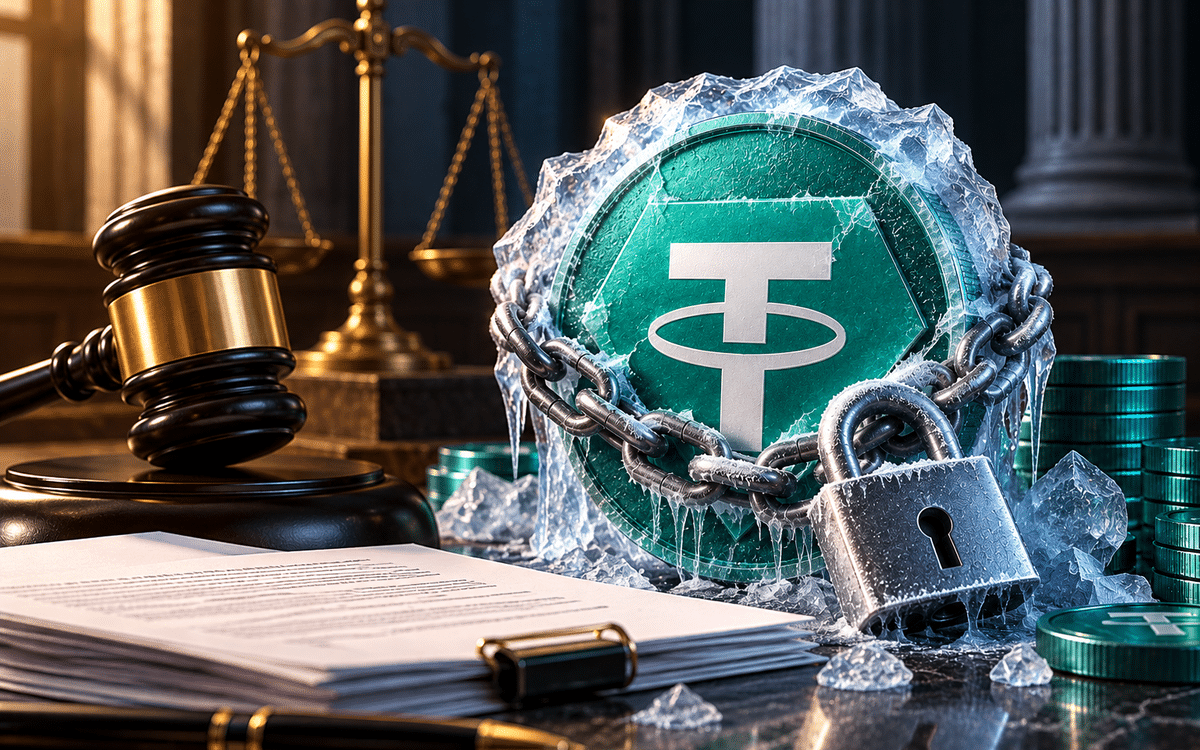
Kraken said some customer accounts were briefly locked while its compliance team investigated, and that it has since restored access. The sanctioned funds themselves remain frozen, as required by law, while the exchange works with authorities. Bloomberg reported the largest single frozen balance tied to the incident at $4.2 million.
The Sanctions Timeline Behind the Attack
The timing lines up with a recent wave of sanctions. The UK sanctioned Huobi Global SA, HTX’s parent entity, in May 2026 over its alleged role in helping Russia evade sanctions.
The EU followed in July, adding HTX to its 21st Russia sanctions package, with the transaction ban taking effect on August 23. Major exchanges including Binance, Bybit, and OKX have since restricted or reviewed transactions tied to HTX.
Kraken pointed directly at that context: “Recent dust attacks from HTX-owned wallets appear to be an attempt to spread UK- and EU-sanctioned funds to other platforms in order to discredit the broader industry.”
HTX has denied initiating the transfers. A spokesperson told Bloomberg the company’s internal review found no evidence it sent them, and raised the possibility the wallets were misattributed or controlled by a third party.
TRON founder Justin Sun, who is closely associated with HTX, publicly called the reports fabricated, while HTX’s head of markets said an internal investigation was underway.
This Tactic Predates Kraken by Years
Dusting has been used for years to deanonymize wallets, but weaponizing it for sanctions compliance is newer. In 2022, someone sent Ethereum from a Tornado Cash wallet to celebrities including Jimmy Fallon, Logan Paul, and Coinbase CEO Brian Armstrong, one day after the U.S. Treasury sanctioned Tornado Cash. None of them were prosecuted.
BlockSec CEO Andy Zhou compared the current incident to poisoning someone’s transaction history, and noted that because anyone can send assets on a public blockchain without permission, attacks like this cost almost nothing to carry out at scale.
What This Means for You: Anyone can send crypto to any wallet, and the recipient has no way to block it. This week’s incident shows that reality can trigger an account freeze with no warning. If you hold crypto on a centralized exchange, our guide to essential security practices for crypto exchanges is a good place to start.