You hit send on a routine transfer, and instead of confirming in seconds, it sits there. Minutes pass. The fee you would normally pay barely moves it. That’s blockchain congestion in real time, and it’s one of the most common frustrations anyone actively using crypto will eventually run into.
Blockchain technology promises fast, decentralized, and transparent transactions, but it’s not immune to traffic jams.
During periods of high activity, blockchain networks can become congested, leading to slower confirmations, rising transaction fees, and a frustrating user experience.
Whether you are sending cryptocurrency, trading NFTs, or interacting with decentralized applications (dApps), understanding this concept can help you avoid delays and unnecessary costs.
Here’s what it is, what causes it, how it affects transactions, and how to minimize its impact.
What Is Blockchain Network Congestion?
Blockchain network congestion happens when the number of pending transactions exceeds the network’s capacity to process them.
Since every blockchain can only handle a limited number of transactions per second, excess transactions sit in a waiting area called the mempool until validators or miners include them in a block.
When demand gets too high, users compete by paying higher transaction fees to get priority processing, while those paying lower fees often experience real delays.
Think of it like a highway with limited lanes. When too many vehicles enter at once, traffic slows down, and drivers willing to pay for an express lane reach their destination faster than everyone else.
How Blockchain Transactions Are Processed
A wallet first submits a transaction request to the network, which enters the mempool, a temporary queue where it waits until it’s selected for processing.
Validators or miners then choose which transactions to include, typically prioritizing based on fees offered.
Selected transactions get grouped into a new block, which the network verifies before permanently recording it on the blockchain. Once that block is added, the transaction is confirmed and considered complete.
If too many transactions are waiting in the mempool, only a limited number can fit into each new block, creating a backlog that slows confirmations and pushes fees higher across the board.
Block times and block sizes differ across networks, which is part of why some chains handle sudden demand spikes better than others even when facing similar transaction volume.
Why Blockchain Networks Become Congested
Several factors tend to trigger network congestion.
High Trading Activity
Sharp market rallies or sudden crashes often lead to a surge in buying, selling, and fund transfers. As thousands of users submit transactions at once, the network can quickly become overloaded.
NFT Launches
Highly anticipated NFT collections often attract large numbers of buyers competing to mint limited assets the moment they become available, flooding the network with transaction requests and slowing processing times.
Memecoin Frenzies
A viral meme coin launch can create intense trading activity within minutes, as traders rush to enter early, growing transaction queues and pushing fees up as everyone competes for faster confirmation.
DeFi Activity
Decentralized Finance (DeFi) protocols require on-chain transactions for token swaps, staking, lending, borrowing, and providing liquidity. During periods of heavy DeFi usage, these interactions can meaningfully increase network traffic.
Gaming and Web3 Applications
Blockchain games and Web3 platforms often generate large numbers of small transactions tied to in-game assets, rewards, and marketplace activity. When participation spikes, combined transaction volume can contribute to congestion just as easily as a single large event.
Signs That a Blockchain Is Congested
When a blockchain is congested, users typically notice slower performance and rising costs, since this usually happens once transaction demand exceeds what the network can handle.
Watch for transactions taking longer than usual to confirm, gas or network fees climbing as users compete for faster processing, wallets showing transactions as pending for extended periods, slower decentralized exchange activity, difficulty minting NFTs during high-demand drops, and low-fee transactions failing to process altogether during peak congestion.
What Happens During Network Congestion
During network congestion, transaction demand outpaces available block space, so confirmations that normally take seconds can stretch to minutes or even hours, and low-fee transactions may be delayed further or stuck in the mempool until activity eases. Fees rise sharply too, because blockchains typically prioritize transactions offering higher payment, making even simple transfers considerably more expensive.
The cumulative effect is a poor user experience: slow, expensive transactions reduce the reliability of blockchain applications, weaken user confidence, and make everyday use of decentralized services less practical, particularly for businesses processing frequent payments.
Which Blockchains Experience Congestion?
Nearly every blockchain can become congested under heavy demand, though some handle traffic better than others.
Bitcoin processes roughly 7 transactions per second, so congestion is common during periods of heavy market activity, and its limited block size contributes to transaction queues when demand rises.
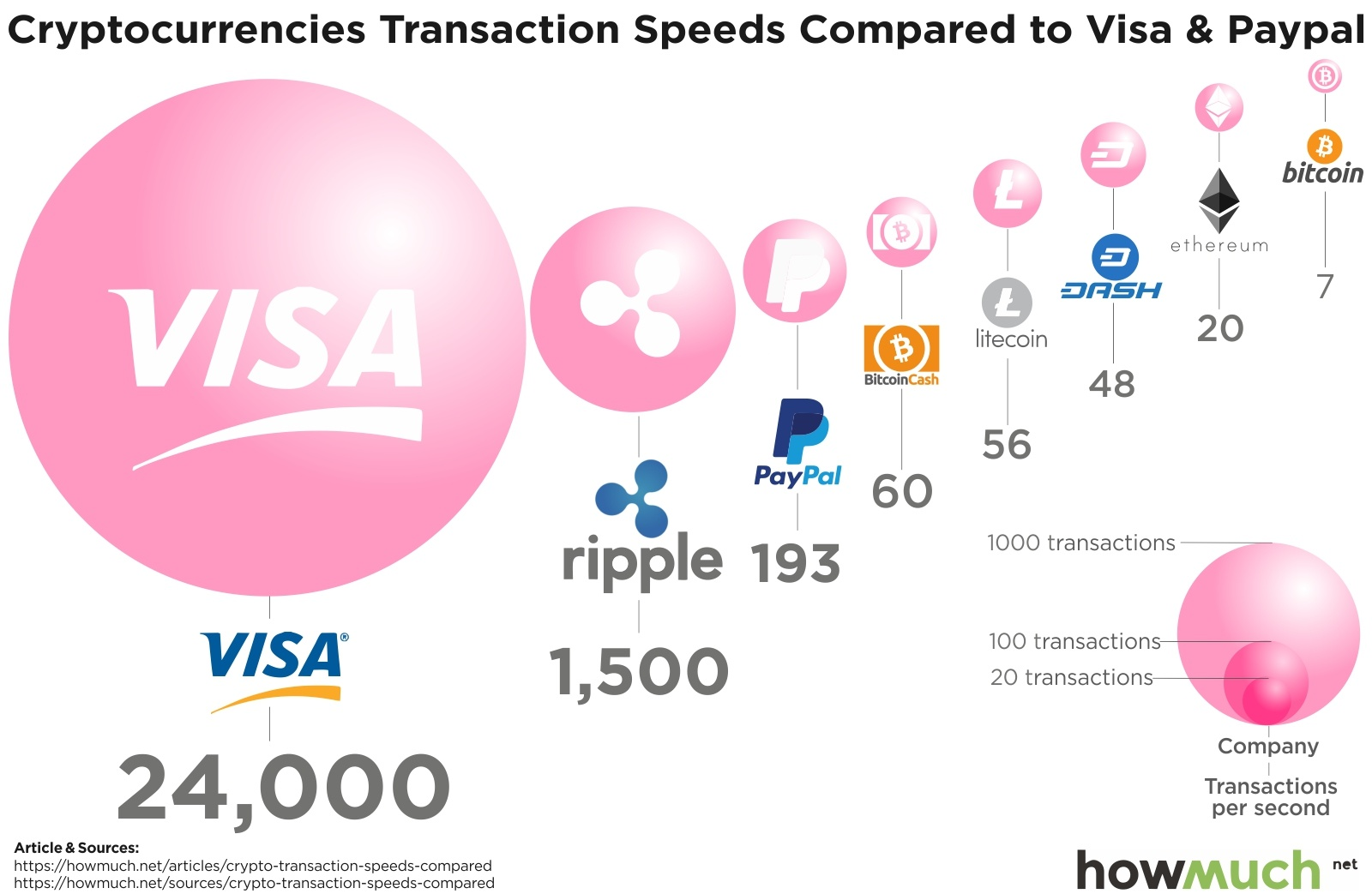
Ethereum has experienced major congestion tied to its popularity across DeFi, NFTs, and smart contracts, with gas fees often climbing substantially during busy periods.
Solana supports much higher throughput but has still experienced congestion and temporary performance issues during periods of extreme demand from meme coin trading and DeFi activity.
BNB Chain occasionally experiences congestion during popular token launches and high-volume decentralized exchange activity.
Layer 2 networks like Optimism, Arbitrum, and Base reduce congestion by processing transactions off-chain before settling them on Layer 1, generally offering lower fees and faster confirmations. Our coverage of Ethereum’s Layer 1 and Layer 2 scaling strategy looks at how this approach plays out on one of the networks most historically affected by congestion.
How Gas Fees Relate to Congestion
Gas fees are the cost of sending a transaction on a blockchain. When the network is not busy, fees stay low because there’s enough space for every transaction.
Once the network gets crowded, users compete to get their transactions included faster by offering higher fees, and validators typically pick the higher-fee transactions first.
Congestion, in other words, does not just slow things down; it directly makes transactions more expensive by turning block space into a competitive resource.
How to Avoid Congestion Problems
To avoid congestion problems, send transactions during lower-traffic periods, often off-peak hours, which usually means lower fees and faster confirmations. If a transfer can’t wait, most wallets let you adjust its priority directly, and paying a higher fee typically results in faster confirmation during busy periods.
Many Ethereum users now rely on Layer 2 solutions for cheaper, faster transactions instead of transacting directly on the base layer.
Businesses and advanced users can also batch multiple transfers into a single transaction to reduce overall network load and fees, and checking a blockchain explorer for current mempool size and fee estimates can help you time a transaction for a better moment.
Some wallets also let you cancel or replace a pending transaction with a higher-fee version, which can be useful if you underestimated demand when you first submitted it.
Frequently Asked Questions
Need a refresher? Here are the questions readers often ask about blockchain network congestion.
Why do gas fees spike so suddenly during congestion?
Fees rise because block space is limited and validators prioritize transactions offering higher payment. When many users compete for the same limited space at once, whether during an NFT drop, a meme coin launch, or a market swing, the fee needed to get priority processing climbs quickly.
Does every blockchain experience congestion the same way?
No. Networks with lower transaction throughput, like Bitcoin, tend to hit capacity limits faster during high demand, while higher-throughput chains like Solana can handle more volume before congestion sets in, though even they aren’t immune during extreme spikes.
Can Layer 2 networks eliminate congestion entirely?
Not entirely, but they meaningfully reduce it for the base layer they settle on. Layer 2 networks process transactions off-chain before settling on Layer 1, which spreads out demand and generally keeps fees lower and confirmations faster than transacting directly on a congested base chain.
What happens to my transaction if I don’t pay enough during congestion?
It can remain stuck in the mempool for an extended period, or fail entirely if network conditions change enough that it’s no longer valid by the time there’s room to include it. Most wallets let you cancel or speed up a stuck transaction by resubmitting it with a higher fee.
Is congestion a sign that a blockchain is failing?
Not necessarily. Congestion usually signals high demand rather than a fundamental problem with the network. That said, frequent, severe congestion can point to real scalability limitations, which is part of why solutions like Layer 2 networks and ongoing protocol upgrades remain an active area of development.
More crypto guides: Guides hub · What is cryptocurrency · What is a seed phrase · 7 crypto scams to avoid