BitMEX co-founder Arthur Hayes argued in an August 25 essay that expanded US Treasury bond buybacks mark the start of a new Bitcoin bull market, tying the token’s recent surge above $80,000 to the same liquidity mechanics he says drove Bitcoin’s rally in late 2023.
What Hayes Is Arguing
Hayes linked Bitcoin’s rally to Treasury Secretary Scott Bessent’s August 19 decision to at least double the size of long-end liquidity-support buybacks, raising the limit per operation from $2 billion to at least $4 billion between September 9 and November 4.
Hayes argues that purchasing older, longer-dated securities can raise their prices and suppress yields, and that lower yields make risk assets like Bitcoin comparatively more attractive, encouraging capital to rotate toward them.
He drew a direct parallel to former Treasury Secretary Janet Yellen’s approach in December 2023, when she increased Treasury bill issuance relative to long-duration bonds, a shift Hayes says pulled money market balances out of the Federal Reserve’s Reverse Repo Program and into the private market.
He estimates that program’s balance fell from roughly $2.5 trillion to about $100 billion by the time Bessent took office in January 2025, describing the resulting shift as a liquidity injection that coincided with Bitcoin and the Nasdaq 100 both rallying, even as the Federal Reserve held rates near 5.3% and continued shrinking its own balance sheet.
Hayes described Bitcoin as reacting directly to this kind of liquidity signal, arguing that if Bessent’s approach mirrors Yellen’s, Bitcoin has meaningful room to run further from current levels.
He was also direct that he sees the currently announced buyback size as too small on its own to move a $40 trillion debt market, and said he expects Bessent to increase the pace of purchases over time rather than stop here.
How the Rally Unfolded
Bitcoin’s immediate reaction to the August 19 announcement took it from around $64,000 to roughly $69,750 to $71,000 within the following days, a jump of about 8.7% tied specifically to the announcement itself.
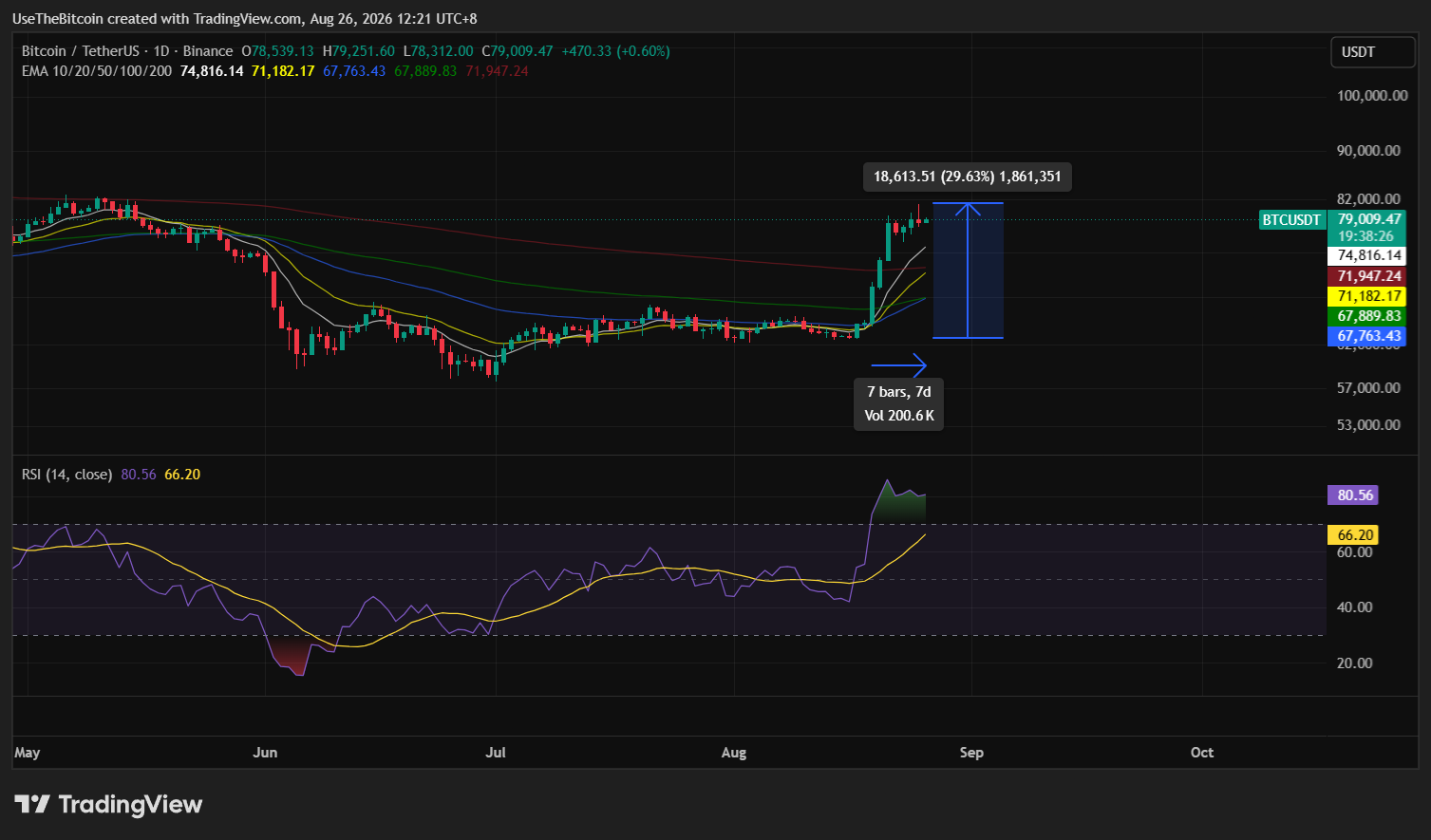
The rally then continued and accelerated over the following days, eventually pushing Bitcoin above $80,000 by August 25, with an intraday high above $81,000 that day according to one source, before settling closer to $79,000 by the time later reports were published.
The 10-year Treasury yield initially declined toward 4.65% and the 30-year toward 5.20% following the announcement, but yields subsequently recovered part of that decline, with the 10-year back above its pre-announcement level within a trading session or two.
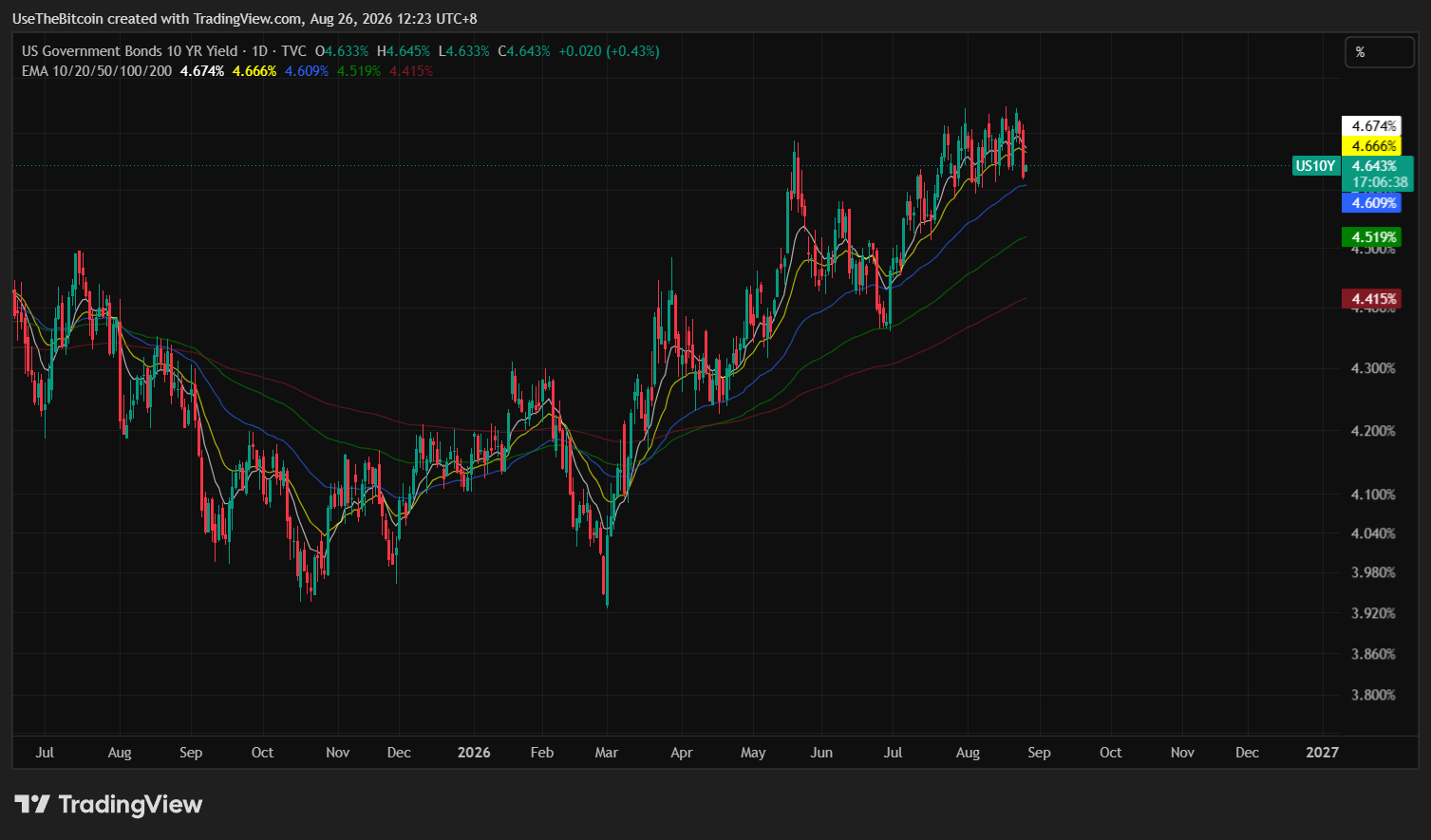
As of this reporting, the 30-year yield sat near 5.24% and the 10-year near 4.71%.
That partial yield recovery suggests the announced purchase sizes had not fundamentally changed the market’s broader concerns over borrowing and debt supply.
It’s also worth noting that no purchases under the newly enlarged limits had occurred by the time Hayes published his essay, since the expanded schedule does not begin until September 9.
This Isn’t the Only Explanation for the Rally
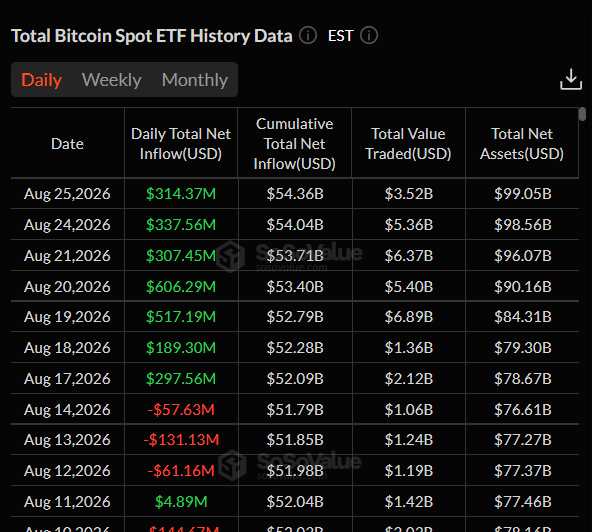
US spot Bitcoin ETFs recorded about $517 million in net inflows on August 19, their strongest daily intake since early May.
Moreover, derivatives liquidations then accelerated the breakout, with more than $4 billion in crypto short positions ultimately forced out of the market during the broader rally.
Regulatory developments and improving crypto sentiment more generally also played a role, making it difficult to isolate how much of the move traces specifically to Treasury liquidity versus these other factors.
The Treasury itself describes its buyback program as supporting market liquidity and managing its cash position, not as monetary stimulus, a characterization that differs from how Hayes frames the policy’s likely effect.
Our earlier coverage of Bitcoin’s rally following this same Treasury announcement covers the broader market reaction in more detail.
The Treasury General Account as a Bigger Wildcard
Hayes also pointed to the Treasury General Account, which held roughly $940 billion to $1 trillion depending on the source, as a potential additional source of liquidity if drawn down to fund further buybacks.
US Treasury Secretary Scott Bessent has said the Treasury could use some of that cash for buybacks without changing its scheduled long-term debt auctions, though the government hasn’t announced a plan to deploy the full balance or committed a specific amount to purchases.
Hayes called a large TGA drawdown the middle path among the options he sees available to Bessent, alongside deeper spending cuts, which he considers unlikely given upcoming elections, or a more aggressive, unlimited bond-buying pledge if yields were to breach 5%.
What Hayes Says About His Own Positioning
Hayes said his fund, Maelstrom, has moved to what he calls maximum risk exposure, with significant positions in Bitcoin, Ether, Ethena, and Ether.fi.
He did not disclose specific position sizes or provide independently verifiable portfolio records to support that claim.
Hayes also warned that continued gains would not rule out steep corrections along the way, and separately said leverage remains dangerous for anyone not trading full-time, given how sharp the volatility could get either way.
He has reportedly maintained a Bitcoin price target near $126,000 by the end of 2026, which would mark a full recovery to the token’s October 2025 all-time high.
What Comes Next
September 9 marks the next concrete policy milestone, when the larger buyback limits take effect, and Treasury will reconsider future purchase sizes at its next quarterly refunding on November 4.
Comparing actual buyback results against Treasury yields, the TGA balance, and Bitcoin’s performance over that stretch will offer a clearer read on whether Hayes’s liquidity thesis is playing out as he expects.
What this means for you: Hayes’s bull market call rests on an expected liquidity transmission mechanism rather than a confirmed policy commitment to broader monetary easing, and the Treasury’s own description of its program as a liquidity-management tool, not stimulus, is worth weighing directly against his framing.
More on Bitcoin: Bitcoin hub · Bitcoin price today · Bitcoin price prediction · How to buy Bitcoin safely