Key Takeaways
- BNB powers BNB Smart Chain (formerly Binance Smart Chain) as gas for transactions, smart contracts, and decentralized applications (dApps).
- Beyond Binance, BNB is used for staking, participating in Binance Launchpad, and various DeFi projects, further embedding it in the blockchain ecosystem.
- BNB is a key player in the Decentralized Finance (DeFi) space and is gaining global adoption for payments and other blockchain applications.
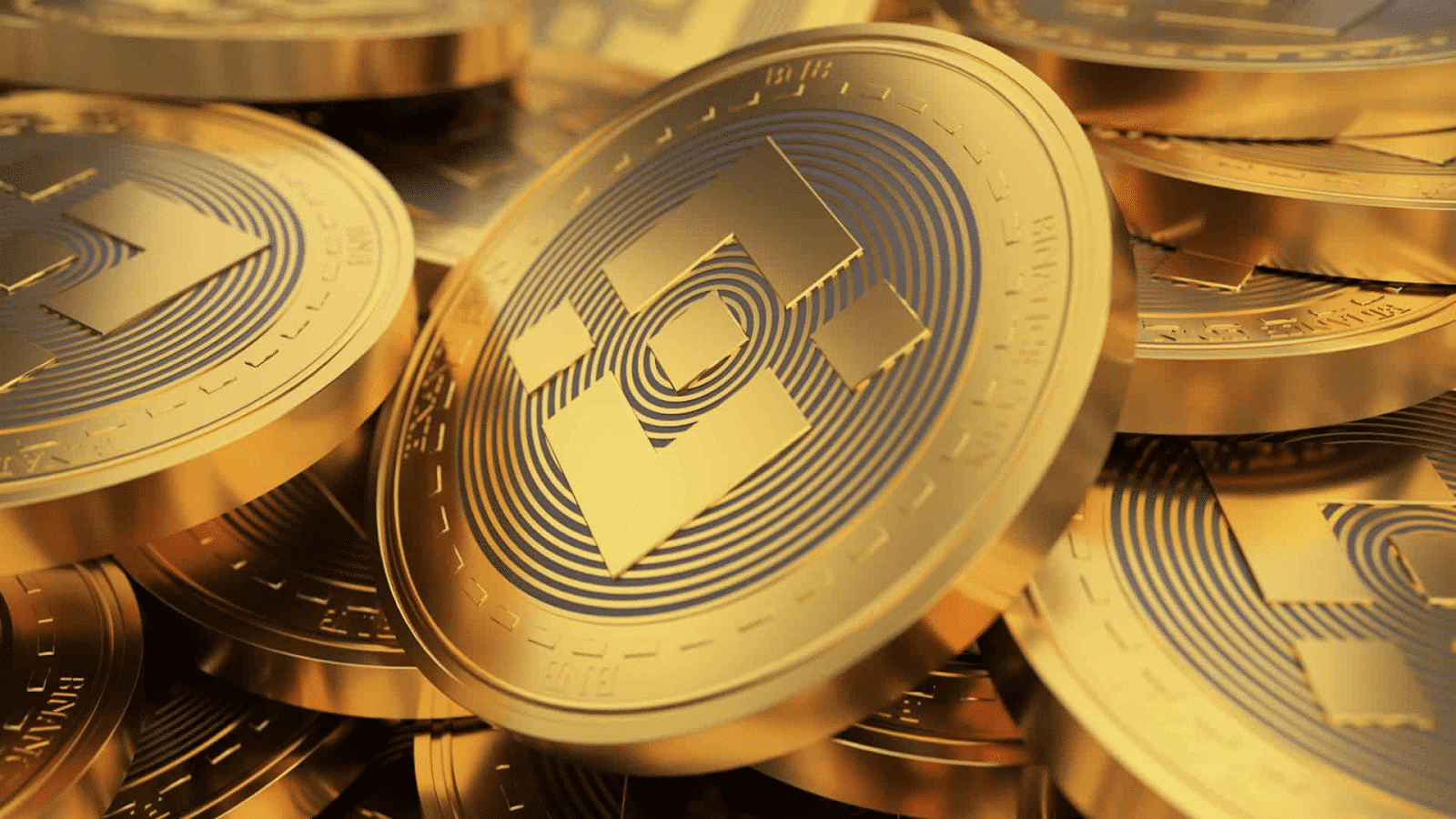
Binance Coin (BNB) is a token developed by Binance, the largest cryptocurrency exchange in the world by trade volume. The token aims to reduce the cost of transactions on the platform, provided the BNB token is used. BNB started in 2017 as an ERC-20 token on the Ethereum blockchain. It later moved to Binance’s own blockchain and is now the native coin of BNB Chain, which includes BNB Smart Chain.
In this article, we’ll explore how BNB fits into Binance’s broader ecosystem, its key functionalities, and why it is considered the core element that fuels the platform’s ongoing success.
What Is Binance Coin (BNB)?
BNB was first introduced in 2017 as a component of Binance’s Initial Coin Offering (ICO), mainly to help Binance exchange customers get lower trading costs. Offering fee reductions through BNB was an alluring approach to encourage users of Binance, which was expanding quickly at the time. Holding BNB allowed customers to trade on Binance and receive a percentage discount on the transaction fees.
BNB gained popularity among traders due to this straightforward but effective incentive. As Binance expanded, so did the demand for BNB. Initially intended to reduce trade expenses, it quickly became more important.
History
BNB’s history is intertwined with the Binance crypto exchange. In 2017, Binance issued an Initial Coin Offering (ICO).
The ICO ran from July 14th to July 27th, 2017, and the proceeds were used to launch the Binance cryptocurrency exchange and the BNB token. 100 million BNB tokens were sold during the ICO period, raising $15 million.
The exchange was initially headquartered in China but shifted its main offices to Malta after the Chinese government banned all cryptocurrency activities in the country.

The platform was headed by Changpeng Zhao (CZ), who is also its founder. In November 2023, Zhao was replaced by Richard Teng after pleading guilty to criminal charges related to his management of Binance. US President Donald Trump pardoned Zhao in October 2025, and since December 2025, Teng has led Binance as co-CEO with co-founder Yi He.
How Does Binance Coin (BNB) Work?
Binance Coin (BNB) is widely used on the BNB Smart Chain (BSC) network and is vital to the platform’s functionality. These are the main applications for BNB:
- Decreased Fees – On the Binance exchange, trading fees are one of the most widely used applications of BNB. To incentivize traders to store and utilize the token frequently, users can receive up to 25% discount when they pay their fees using BNB.
- Transaction Costs – On Binance’s decentralized blockchain network, BNB Smart Chain (BSC), BNB is utilized to pay gas costs. BNB is required to pay for transaction expenses for anyone using BSC for transactions, executing smart contracts, or engaging with decentralized applications (dApps).
- Earn Rewards – By protecting the network or by taking part in yield farming and liquidity pools on BSC, Binance gives users the opportunity to stake BNB and earn prizes. This creates passive income and encourages long-term BNB holding.
- Token Sales – Binance Launchpad, a platform for investing in new token sales and early-stage blockchain companies, requires BNB in order to be used. Users can gain early access to exciting new tokens before they are made available to the general public by staking BNB.
- Deflationary Model – In order to create a greater sense of scarcity, Binance burns BNB on a regular basis. The goal of this deflationary process is to gradually increase the value of BNB by reducing the quantity of tokens in circulation.
Binance Coin (BNB) Tokenomics
Binance Coin’s (BNB) long-term value is supported by its deflationary tokenomics approach.
BNB was introduced in 2017 with a 200 million token supply. Since then, quarterly token burns have permanently destroyed part of the supply, and they will continue until just 100 million BNB remain. After the 36th quarterly burn in July 2026, the total supply was about 133.2 million BNB. Because of this burning process, there is less supply, which raises demand.
Moreover, BNB’s many uses inside Binance’s ecosystem include providing gas for BNB Smart Chain (BSC), providing up to 25% trading fee savings, and facilitating token sales and staking. Within the Binance network and the larger cryptocurrency environment, BNB plays an important role as its use cases expand.
BNB Token Burn
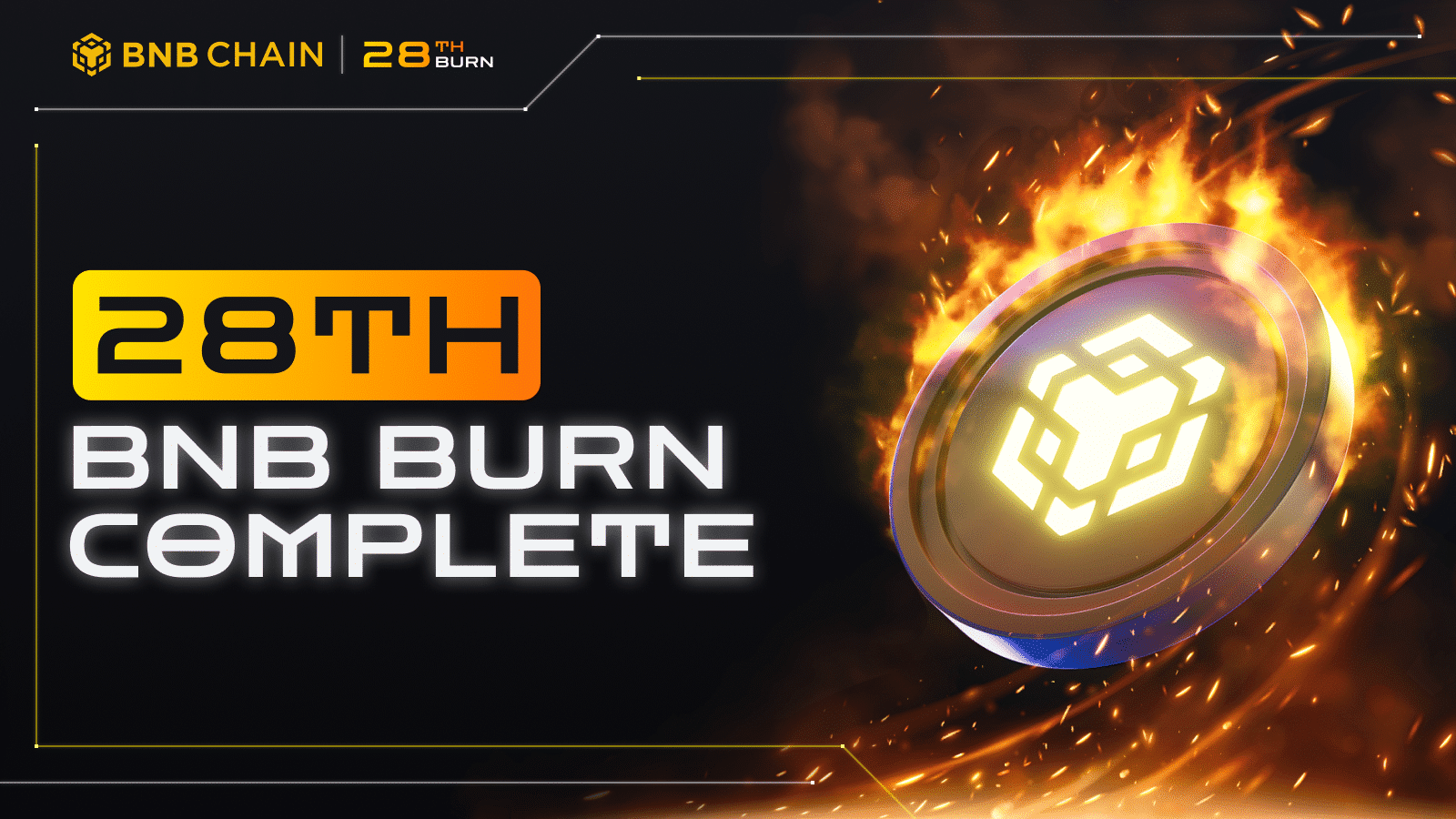
To decrease the amount of Binance Coin (BNB) in circulation and gradually make it more scarce, Binance conducts a quarterly BNB burn. Since the Auto-Burn system replaced the old method in December 2021, the amount has been calculated from BNB’s average price and the number of blocks produced on BNB Smart Chain during the quarter, not from activity on the Binance exchange.
Reducing the entire amount of BNB from the initial 200 million to 100 million is the final objective. By making BNB scarcer as demand rises, this deflationary strategy aims to raise its value.
BNB’s Utility and Its Risks
In summary, inside the Binance ecosystem, Binance Coin (BNB) stands out as a diverse cryptocurrency with great utility and room to expand. It is a significant commodity for traders and long-term investors because of its deflationary mechanism and growing use cases in decentralized finance, smart contracts, and staking.
However, BNB does include some risk, much like any cryptocurrency investment, especially given the market’s volatility and possible regulatory issues. BNB is a potential investment option for individuals who think Binance will continue to expand and innovate, but it’s important to approach it knowing exactly what dangers are involved.