Key Takeaways
- Bitcoin gives users direct control over their funds through personal wallets, reducing reliance on banks and lowering risks of freezes, delays, or third-party restrictions.
- Global transfers become faster with Bitcoin, as it removes intermediaries and allows transactions to be processed 24/7 across borders with fewer delays.
- A fixed supply of 21 million coins makes Bitcoin a potential store of value, helping users preserve wealth and reduce exposure to inflation over time.
Bitcoin has grown beyond being just a digital asset into a practical financial tool used by individuals around the world. It offers new ways to store value, send money across borders, and manage personal finances with greater flexibility. Built on a decentralized network, Bitcoin allows users to have more direct control over their funds without relying heavily on banks or other intermediaries. This change gives people greater independence in how they manage and access their money, especially in a global, modern digital economy.
As adoption continues to grow, Bitcoin is becoming more of a part of everyday financial activities. Its features can support faster transactions, improved accessibility, and alternative ways to save and transfer value. These benefits make it more than just an investment asset, as it also shapes how people interact with money in daily life. In this article, below are six ways Bitcoin can help make everyday life better.
1. Greater Control Over Your Money
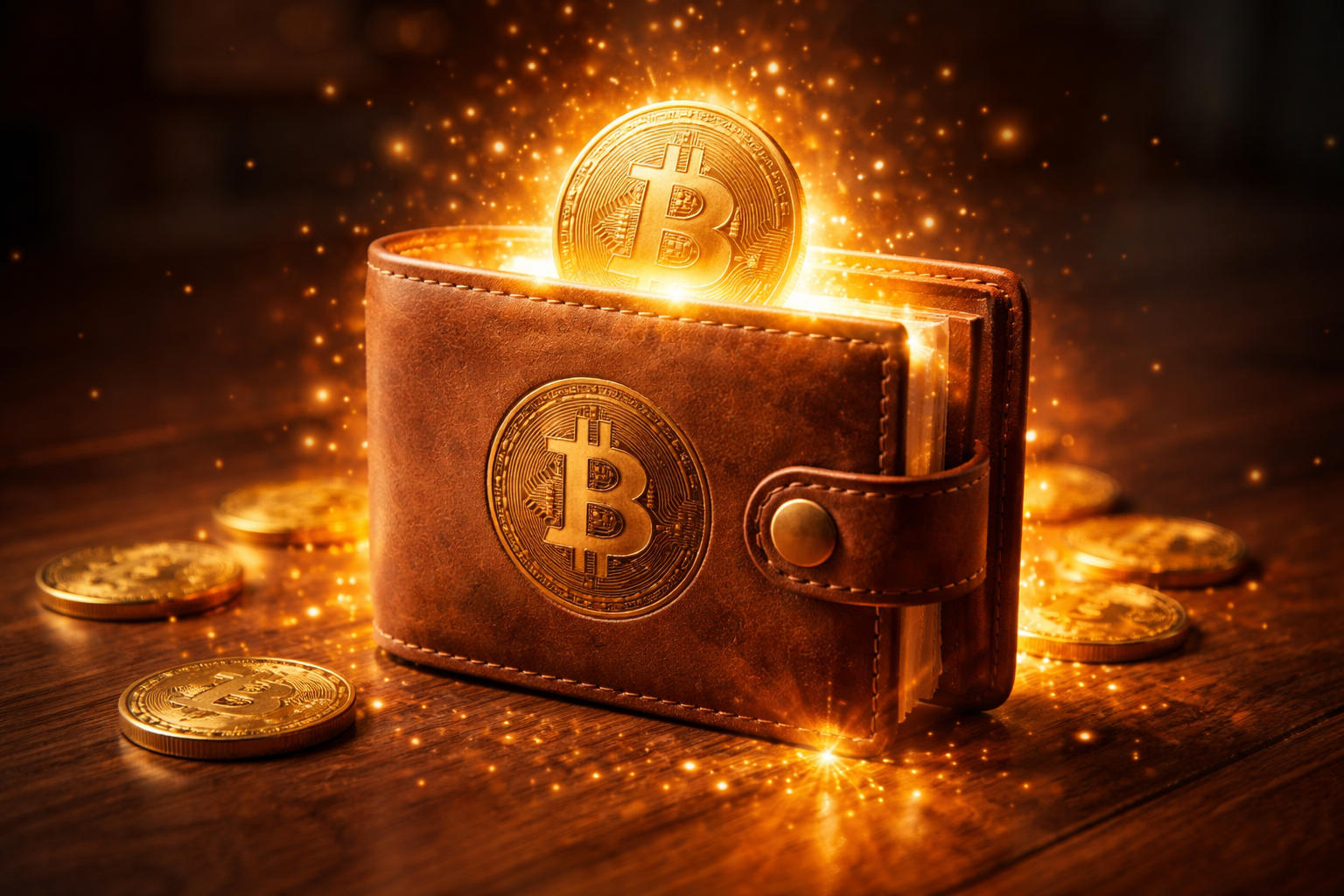
Bitcoin allows you to have direct control over your funds without depending on banks or other intermediaries. By using a personal wallet, you can store and access your assets with private keys you control. This means you are not required to go through third parties to send, receive, or manage your money, giving you more independence in handling your finances.
This level of control reduces the risk of account freezes, delays, or limitations that can happen with traditional financial systems. It also ensures that you maintain full ownership of your assets at all times. With Bitcoin, you can manage your funds more freely and securely, making it a more flexible option for storing and using money.
2. Faster Cross-Border Transactions
If you are making international transfers, traditional methods often involve multiple intermediaries, which can lead to delays that take several days to complete. Bitcoin simplifies this process by allowing value to be transferred directly across borders without relying on banks or payment processors. Transactions are recorded and validated on a decentralized global network, which helps reduce processing time.
Because the Bitcoin network operates 24/7, transactions can be sent and received at any time without being limited by banking hours or holidays. This makes it especially useful for international payments, as users can move funds more efficiently and with fewer obstacles compared to traditional financial systems.
3. Open Access to Financial Services
Bitcoin can be accessed by anyone with an internet connection, regardless of location or background. It does not require a traditional bank account or approval from financial institutions, making it accessible to unbanked or underbanked individuals. This allows more people to store, send, and receive value using only a digital wallet and an internet-enabled device.
By removing the need for conventional banking infrastructure, Bitcoin helps increase access to financial services in areas where such systems are limited or unavailable. This wider access opens up opportunities for more people to participate in the digital economy, engage in online transactions, and take part in global financial activity with fewer barriers.
4. Transparency and Security
Transactions on the Bitcoin network are recorded on a public ledger called the blockchain, where all verified transactions can be viewed and traced. This level of transparency helps ensure that transactions are verifiable and reduces the risk of fraud or hidden activity. At the same time, user identities are not directly exposed, as Bitcoin uses cryptographic techniques to protect personal information.
How Bitcoin Ensures Security:
- The network is decentralized, meaning no single authority controls transaction validation.
- Transactions are verified by multiple nodes across the network.
- Once confirmed, records on the blockchain are extremely difficult to alter.
- Cryptographic methods help protect user data and maintain privacy.
- The system reduces the risk of fraud, tampering, and unauthorized changes.
5. Store of Value Potential
Bitcoin has a fixed supply of 21 million coins. This limited supply creates scarcity, which is a key factor in its role as a store of value. Unlike traditional currencies that can be issued in unlimited amounts, Bitcoin’s supply cannot be increased, helping reduce the risk of inflation over time.
Because of this scarcity, many users choose to hold Bitcoin as a long-term asset to preserve their wealth. It is often viewed as a form of digital value storage that can maintain purchasing power, especially in environments where traditional currencies may lose value. This makes Bitcoin an option for individuals looking to protect and manage their assets over the long term.
6. Paperless Transactions
Bitcoin enables fully digital transactions that do not require physical documents, forms, or manual paperwork. Payments and transfers are processed and recorded electronically on the blockchain, where each transaction is verified and permanently stored in a secure digital ledger. This removes the need for printed receipts, signed documents, and other traditional administrative steps.
By operating entirely in a digital environment, Bitcoin helps simplify transaction processes and reduce delays caused by manual handling. It also minimizes reliance on paper-based systems, lowering administrative costs and supporting more efficient workflows. In addition, the reduced use of physical materials contributes to a more environmentally friendly approach to financial transactions.
Final Thoughts
Bitcoin is more than just a digital asset. It provides a practical way to store, send, and manage money with greater control, faster transactions, open access, strong security, and paperless processes. These features help people manage their finances more effectively in everyday life, making Bitcoin a useful tool in a modern digital economy. As adoption continues to grow, Bitcoin is set to play a bigger role alongside traditional financial systems, giving people more choices in how they save, spend, and transfer value. By understanding its benefits, users can make more informed financial decisions and take better advantage of the opportunities Bitcoin brings.
You Might Also Like: