
Key Takeaways:
- Cash out crypto remittances into local currency using P2P platforms with 1-3% fees
- Mobile money integration in Africa and Asia enables direct crypto-to-cash conversion
- Local exchanges provide bank transfer options when cashing out crypto remittances
You can cash out crypto remittances into local currency through peer-to-peer platforms, local exchanges, or mobile money services. Recipients convert USDT or USDC to their country’s currency using platforms like Binance P2P, LocalBitcoins, or regional services. The process to cash out crypto remittances into local currency typically takes minutes and costs 1-3% in fees versus traditional 5-10% remittance charges.
Which Platforms Help Cash Out Crypto Remittances Into Local Currency?
Several platform types enable recipients to cash out crypto remittances into local currency efficiently. Each offers different trade-offs between speed, fees, and convenience. Understanding options helps recipients choose the best method for their situation.
Peer-to-Peer Marketplaces
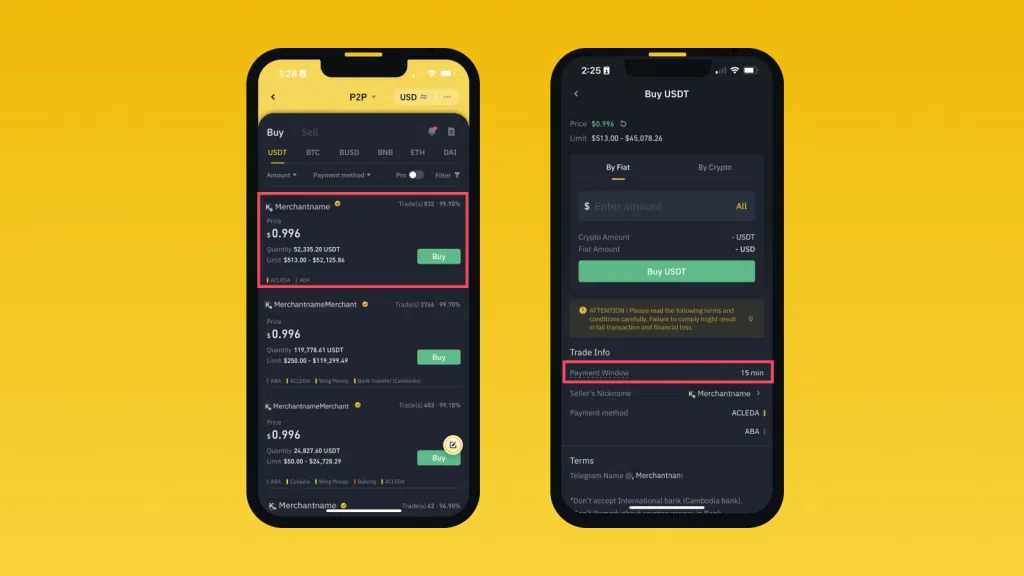
Binance P2P allows users to cash out crypto remittances into local currency directly. Buyers and sellers negotiate prices and payment methods. The platform supports over 100 countries with local currency options.
Transactions happen between individuals rather than through central authority. Binance holds crypto in escrow until payment confirmation. This protects both parties from fraud during transactions.
Payment methods include:
- Bank transfers: Direct deposit to local bank accounts
- Mobile money: M-Pesa, GCash, and regional services
- Cash pickup: Meet locally for physical cash exchange
- Digital wallets: PayPal, Venmo, and local equivalents
LocalBitcoins pioneered the P2P model for Bitcoin specifically. The platform operates globally with local currency support. Reputation systems help identify trustworthy trading partners.
Paxful provides another P2P option with extensive payment methods. The platform emphasizes emerging market accessibility. Users cash out crypto remittances into local currency through hundreds of payment options.
Local Cryptocurrency Exchanges
Regional exchanges serve specific geographic markets with local banking integration. These platforms convert crypto to local currency through direct bank transfers. Coinbase operates in many countries but regional alternatives often offer better rates.
Nigeria’s Bitnob specializes in West African markets. The platform converts USDT to naira quickly. Users cash out crypto in Nigeria through instant bank transfers.
Philippines platforms like PDAX and Coins.ph serve OFW families. Recipients convert remittances to pesos seamlessly. Mobile app interfaces simplify the process for non-technical users.
Kenya’s BitPesa (now AZA Finance) provides business-focused services. The platform handles larger remittance volumes. Banks integrate directly for smooth withdrawals.
Mobile Money Integration
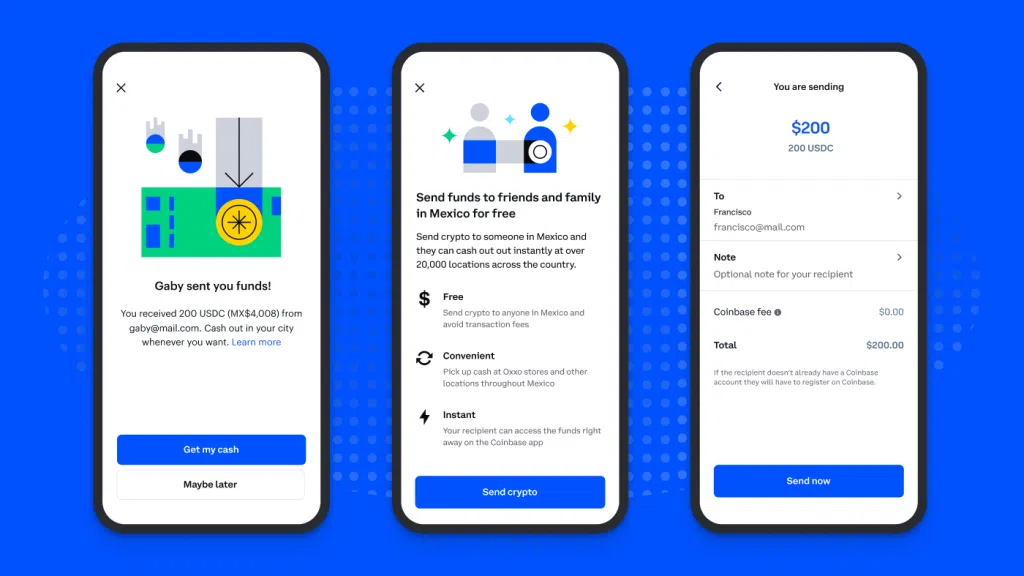
Mobile money services dominate in regions with limited banking infrastructure. These platforms enable users to cash out crypto remittances into local currency through phone-based accounts. The integration removes need for traditional bank accounts.
M-Pesa in Kenya pioneered mobile money cryptocurrency integration. Users receive crypto then convert to M-Pesa balance. Funds become spendable immediately at millions of merchants.
GCash in Philippines offers similar cryptocurrency conversion features. The super app combines banking, payments, and crypto. Recipients handle everything through single mobile application.
MTN Mobile Money across Africa supports cryptocurrency conversions. The network reaches underbanked populations effectively. Users cash out crypto remittances into local currency without visiting physical locations.
What Fees Apply When Cashing Out Crypto Remittances?
Fee structures vary significantly across different cash-out methods. Understanding total costs helps recipients maximize value from remittances. Hidden fees sometimes exceed obvious transaction charges.
Platform Transaction Fees
P2P platforms typically charge 0-1% transaction fees. Binance P2P charges no fees to takers accepting existing offers. Makers creating offers pay minimal fees.
Local exchanges charge 0.5-2% for crypto-to-fiat conversions. Nigerian exchanges often charge flat fees around 1%. Philippine platforms use tiered fee structures based on volume.
Mobile money conversions add 1-2% fees typically. Some platforms waive fees during promotional periods. Premium users with high volumes negotiate better rates.
Exchange Rate Spreads
The exchange rate spread represents hidden cost beyond stated fees. P2P sellers build profit margin into their offered rates. Spreads range from 1-5% depending on market liquidity.
Recipients should compare rates across multiple platforms. A lower stated fee with worse exchange rate costs more total. Calculate the actual amount received in local currency.
Stablecoin remittances minimize exchange rate risk during transfer. USDT and USDC maintain dollar peg throughout transit. Converting crypto to cash happens only at final step.
Withdrawal Fees
Bank transfer fees vary by country and platform. Some exchanges offer free first withdrawal monthly. Subsequent withdrawals might cost $1-5 equivalent.
Mobile money withdrawals usually carry no additional fees. The conversion fee covers complete transaction. Recipients receive full converted amount.
ATM withdrawals using crypto debit cards charge 2-5% typically. Physical cash access adds convenience premium. Cards work best for travelers rather than regular remittances.
How Long Does It Take to Cash Out Crypto Remittances?
Speed varies dramatically across different methods and regions. Some platforms enable instant conversion while others require days. Understanding timelines helps recipients plan accordingly.
Instant Conversion Methods
P2P platforms with mobile money offer fastest conversions. Transactions complete within minutes once matched with seller. Funds become available in mobile wallet immediately.
Local exchange instant transfers happen during banking hours. Nigerian platforms process naira withdrawals within 10 minutes. Philippine services credit peso accounts in 15-30 minutes.
Mobile money integration provides 24/7 availability. M-Pesa and GCash conversions work even outside banking hours. Recipients access funds anytime including weekends.
Bank Transfer Timelines
Standard bank transfers require 1-3 business days typically. Local banking systems determine actual speed. Some countries process same-day while others take longer.
International bank transfers from exchanges take 3-5 days. These apply when using non-local exchange platforms. Sending stablecoins to Kenya directly avoids this delay.
Weekend and holiday delays affect bank transfer methods. Crypto transactions happen 24/7 but bank processing doesn’t. Plan conversions around banking schedules.
What Documents Do Recipients Need?
KYC requirements vary by platform and transaction size. Most services require basic identity verification. Understanding requirements prevents delays when cashing out.
Basic KYC Requirements
All platforms require government-issued ID for account creation. Passport, national ID, or driver’s license work typically. Photo must be clear and unexpired.
Proof of address confirms residency in supported region. Utility bills, bank statements, or official letters qualify. Documents must be recent, usually within three months.
Selfie verification prevents identity theft and fraud. Users photograph themselves holding ID document. Some platforms use liveness detection requiring head movements.
Enhanced Verification for Larger Amounts
Transactions exceeding certain thresholds trigger enhanced verification. Limits vary but often start at $1,000-5,000 equivalent. Additional documentation proves income source.
Bank statements show legitimate fund sources. Platforms may request several months of statements. This prevents money laundering through crypto remittances.
Employment verification or business registration sometimes required. Freelancers provide client contracts or invoices. The requirements protect platforms from regulatory issues.
How Do Recipients Avoid Common Mistakes?
Several pitfalls trap first-time recipients trying to cash out crypto remittances into local currency. Learning from others’ mistakes saves money and frustration. Simple precautions prevent most problems.
Verifying Platform Legitimacy
Scam platforms impersonate legitimate services. Recipients should verify official website URLs carefully. Check reviews and community feedback before using new platforms.
Download apps only from official app stores. Phishing websites steal login credentials and crypto. Bookmark legitimate platform URLs in browser.
Test small amounts before large transactions. Process $10-20 equivalent first to verify everything works. Confirm money arrives before cashing out full remittance amount.
Understanding Local Regulations
Some countries restrict cryptocurrency transactions legally. Recipients should understand local laws before cashing out. Platforms operating despite bans create legal risks.
Tax obligations may apply to received remittances. Some jurisdictions tax crypto conversions as income. Recipients should research local tax treatment.
Banks sometimes close accounts receiving crypto-related transfers. This affects users cashing out through bank transfers. Mobile money often faces less scrutiny.
Frequently Asked Questions
How do I cash out crypto remittances into local currency?
Cash out crypto remittances into local currency using P2P platforms like Binance P2P, local exchanges, or mobile money services. The process takes minutes with 1-3% fees.
Which platform has the lowest fees?
Binance P2P charges zero fees for takers, making it often the cheapest option. Compare exchange rates across platforms as spreads sometimes exceed stated fees.
Can I cash out without a bank account?
Yes, mobile money services like M-Pesa and GCash allow cashing out crypto remittances without traditional banks. P2P platforms also offer cash pickup options.
How long does it take to receive money?
Mobile money conversions complete within minutes. Bank transfers take 1-3 business days. P2P platforms with instant payment methods provide fastest access.
Do I need special documents?
Most platforms require government-issued ID and proof of address. Larger transactions may need additional verification like bank statements or employment proof.