Key Takeaways
- Wallet security depends on user habits; mistakes such as weak passwords and insecure storage can lead to irreversible crypto losses.
- Storing private keys or seed phrases online exposes them to hacks; offline storage is essential to keep full control of funds.
- Hardware wallets keep keys offline and require physical approval, offering stronger protection for larger crypto holdings.
Crypto wallets are essential for storing and managing digital assets, but their safety depends mostly on how they are used. Blockchain networks are generally secure, yet many crypto losses result from user mistakes rather than flaws in the technology itself. Issues such as poor password habits, unsafe storage of private keys, phishing scams, connecting wallets to untrusted platforms, and failing to verify transactions or back up recovery phrases can all put funds at risk.
Even small oversights can lead to irreversible losses since crypto transactions cannot be easily reversed. By understanding these risks and applying basic security practices, users can greatly reduce the chances of losing their assets and keep better control over their crypto holdings. Below are seven common security mistakes to avoid when using crypto wallets.
1. Storing Private Keys or Seed Phrases Online
One of the most serious mistakes in crypto security is saving private keys or seed phrases in online places such as cloud storage, email, note-taking apps, or messaging apps. These platforms are connected to the internet and can be hacked, exposed through phishing, or accessed if your account is compromised. If that happens, your wallet information could be at risk.
Private keys and seed phrases are the only way to access and control a crypto wallet. If someone gets them, they can take full control of your funds, and there is no way to recover them. For safety, these details should be kept offline. Store them in a secure physical place, such as written on paper and kept somewhere safe, away from online access and unauthorized people.
2. Ignoring Hardware Wallet Options for Large Holdings
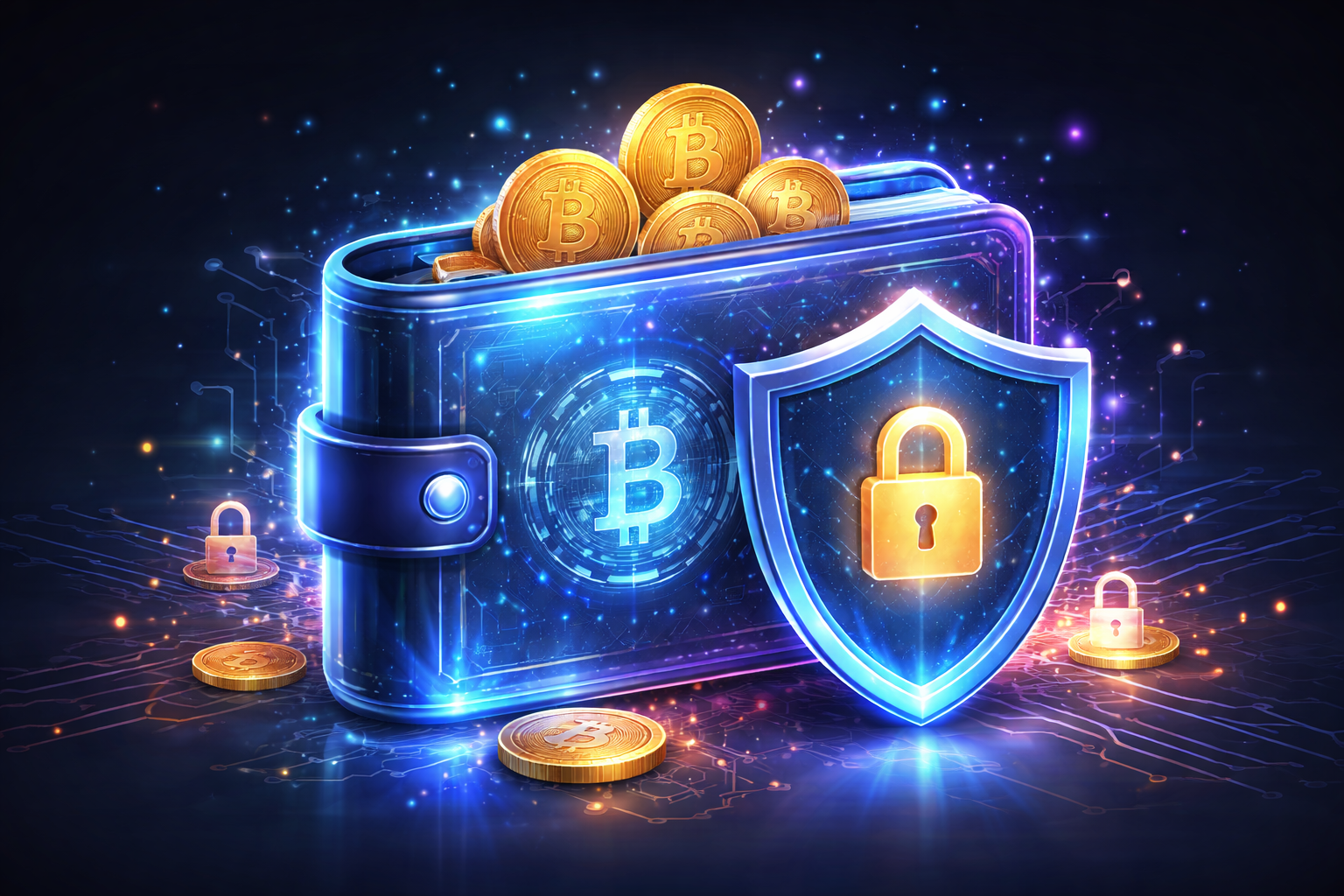
Hardware wallets are physical devices that store private keys offline, keeping them safe from online threats like hacking, phishing, and malware. Unlike online wallets, they do not connect to the internet, so private keys are not exposed to connected devices or networks. For users holding a large amount of crypto, not using a hardware wallet can increase the risk of losing funds. Wallets that stay online are more vulnerable if a device or account is compromised.
Hardware wallets also require physical approval on the device before any transaction can be completed, adding an extra layer of protection. Devices from companies like Ledger are built for this purpose. Ignoring hardware wallets for large holdings is a common mistake, and keeping most assets offline can help improve security.
3. Falling for Phishing Attacks
Phishing is one of the most common threats in crypto. Attackers create fake websites, emails, messages, or apps that look like legitimate services to trick users into entering sensitive information such as login details, private keys, or seed phrases. These fake platforms can closely resemble trusted wallets or exchanges.
Once users enter their information, attackers can quickly gain access to their wallet and transfer funds, often with no way to recover them. This makes phishing especially dangerous because it targets user behavior rather than the blockchain itself. Users of wallets like MetaMask or exchanges such as Coinbase should always verify URLs, avoid suspicious links, and make sure they are using official apps or websites before entering any sensitive data.
4. Not Enabling Two-Factor Authentication (2FA)
Relying only on a password is not enough to protect accounts linked to crypto wallets or exchanges. If a password is weak, reused, or exposed in a data breach, attackers can gain access to the account more easily. Without an additional security step, there is little to stop unauthorized logins. Two-factor authentication (2FA) adds an extra layer of protection by requiring a second form of verification before access is granted.
This is usually a time-based code generated by an authentication app or sent to a trusted device. Even if someone obtains the password, they still cannot log in without this second step. Enabling 2FA helps reduce the risk of account compromise and is a simple yet important measure to improve overall crypto security.
wallets and services such as Binance or Trust Wallet, where account access may be linked to financial assets.
5. Using Weak or Reused Passwords
Weak or reused passwords create serious security risks. Simple passwords are easier to guess or crack, while using the same password across multiple platforms means that if one account is exposed in a data breach, attackers can try those same credentials on other accounts linked to your crypto assets. This type of attack, known as credential stuffing, can allow unauthorized access without directly targeting the wallet itself.
To reduce this risk, it is important to use strong, unique passwords for each account. Passwords should be long and difficult to guess, and never reused across platforms. Using a password manager can help generate and store complex passwords securely, improving protection for services like Binance or Trust Wallet while making account management more secure and convenient.
6. Connecting Wallets to Untrusted dApps
Decentralized applications (dApps) often require wallet connections to perform actions like trading or interacting with smart contracts. However, connecting to unverified or malicious dApps can expose wallets to risks such as unauthorized token approvals, hidden permissions, or harmful smart contract interactions that may allow attackers to access or move funds.
Some dApps may prompt users to sign transactions that grant broad or ongoing access to assets. If approved without careful review, these permissions can remain active and result in the loss of funds. Users should always verify a dApp’s legitimacy, carefully review permissions before approving them, avoid unfamiliar platforms, and disconnect wallets from unused or suspicious connections.
7. Failing to Update Wallet Software
Outdated wallet software can contain security vulnerabilities that have already been identified and fixed in newer versions. If updates are ignored, these known weaknesses may be exploited by attackers to gain access to wallets, compromise data, or disrupt transactions. This applies to all types of wallets, including browser extensions, mobile apps, and desktop applications.
Regular updates are important because they not only fix security issues but also improve overall performance and add new protection features. Keeping wallet software up to date ensures users benefit from the latest security patches and reduces the risk of exposure to known threats.
Final Thoughts
Securing a crypto wallet depends mainly on the user’s habits, not just the technology. While blockchain networks are generally secure, mistakes such as exposing private keys, using weak passwords, ignoring updates, or connecting to untrusted platforms can lead to the permanent loss of funds. Since crypto transactions cannot be reversed, even small errors can have serious consequences. By avoiding these common mistakes and following basic security practices such as keeping private keys offline, enabling two-factor authentication, using hardware wallets for larger holdings, checking platforms carefully, and keeping software updated, users can better protect their assets and maintain control of their crypto.
You Might Also Like: