
Key Takeaways:
- Crypto tax Nigeria explained shows progressive rates from 7-25% on realized gains since January 2026, replacing the old 10% flat rate
- All crypto transactions require Tax Identification Number and National Identification Number linkage, ending anonymous trading completely
- Virtual Asset Service Providers face 30% corporate tax, 7.5% VAT on fees, and ₦10 million monthly penalties for non-reporting
Crypto tax Nigeria explained requires understanding the comprehensive 2026 framework. The Federal Inland Revenue Service and Securities and Exchange Commission oversee all crypto taxation. Progressive rates from 7-25% replaced the old 10% flat tax. Every transaction links to Tax Identification Numbers and National Identification Numbers now. Exchanges must report all user activity monthly. Corporate crypto businesses pay 30% income tax plus 7.5% VAT on fees. Penalties for non-compliance reach ₦10 million monthly for platforms.
How Does Crypto Tax Nigeria Work for Individual Users?
Individual crypto taxation follows the Nigeria Tax Act 2025 framework. The government treats crypto gains as regular income now. This integration into personal income tax creates progressive rates.
What Tax Rates Apply to Crypto Gains?
Progressive personal income tax rates replaced the simple 10% flat tax. Your total annual income including crypto determines your rate. The rates range from 7% on lower income to 25% maximum.
The first ₦800,000 of total annual income stays completely tax-free. This threshold helps casual traders and small holders significantly. Many occasional users pay zero taxes under this exemption.
Higher earners face increasing rates on income above that threshold. Someone earning ₦5 million total pays different rates on income chunks. The 7% rate applies to lowest taxable income. Then rates climb progressively to 25% on highest income.
Large traders and investors hit the 25% maximum rate. Annual profits exceeding ₦50 million reach this top bracket. Professional traders typically fall into these higher categories. Understanding Nigerian crypto regulations provides full compliance context.
What Crypto Activities Trigger Taxes?
Not every crypto action creates immediate tax liability. Only specific “disposal” events generate taxable gains requiring reporting.
These activities trigger taxable events under current rules:
- Selling cryptocurrency for Nigerian Naira
- Swapping one crypto for another (BTC to ETH)
- Using crypto to purchase goods or services
- Receiving crypto as salary or payment
- Mining rewards from proof-of-work networks
- Staking rewards from proof-of-stake chains
Simply buying and holding crypto generates no tax obligation. You can hold Bitcoin indefinitely without owing anything. Taxes only apply when you sell, swap, or spend.
Crypto-to-crypto swaps count as taxable dispositions. Many users miss this important rule initially. Trading Ethereum for Solana realizes gains on Ethereum. You must calculate and report that gain.
Can You Deduct Crypto Losses?
The 2026 guidelines allow deducting losses from taxable gains. This represents a significant improvement from earlier restrictive rules. You can offset winning trades against losing positions.
Loss deductions must occur within the same tax year. You cannot carry losses forward to future years. This encourages tax loss harvesting strategies before year-end.
The deduction reduces your total taxable crypto gains. Someone with ₦5 million in gains and ₦2 million losses pays tax on ₦3 million net. This lowers effective tax burden considerably.
Proper documentation of losses becomes essential for deductions. You need proof of purchase price and sale price. Transaction records must show the loss clearly. Using crypto tax software helps track gains and losses automatically.

How Do Identity Requirements Affect Crypto Tax Nigeria?
The government ended anonymous crypto trading through mandatory identity linkage. Every transaction now ties to verified government identification numbers. This creates comprehensive tracking for tax enforcement.
What Documents Do You Need for Compliance?
Tax Identification Number became mandatory for all crypto activity. Your TIN links all transactions to your tax profile. National Identification Number serves dual verification purpose too.
Every crypto platform requires both TIN and NIN during registration. Platforms verify these numbers against government databases directly. Users cannot trade without proper verified identification.
Foreign platforms serving Nigerians must collect this data. Even offshore exchanges need Nigerian identity documents. Non-compliance results in platform blocking by local ISPs.
The identity linkage eliminated privacy in regulated crypto trading. Authorities track every transaction tied to your identity. Anonymous trading moved to unregulated grey markets only.
How Do Exchanges Report Your Activity?
Virtual Asset Service Providers face strict monthly reporting obligations. They must submit detailed user transaction data to Nigeria Revenue Service. These reports include extremely comprehensive information.
Platform reports contain these details about your activity:
- Full legal names and identification numbers
- Complete transaction histories with dates
- Asset types and Naira values at transaction time
- Realized gains and losses per transaction
- Current balances across all cryptocurrencies
- Wallet addresses associated with accounts
This automated reporting eliminates self-reporting honor systems. The government receives your data directly from platforms. They compare platform reports against your filed tax returns.
Discrepancies between platform reports and your filing trigger audits. The system catches under-reported income automatically. This makes accurate self-reporting absolutely essential now.
What Taxes Face Crypto Businesses and Platforms?
Companies operating in Nigeria’s crypto space face separate tax structure. Virtual Asset Service Providers pay multiple taxes beyond individual obligations.
How Much Do Platforms Pay in Taxes?
Crypto businesses pay 30% Corporate Income Tax on operational profits. This applies to earnings from platform operations. Transaction fees, listing fees, and premium services all count.
The 30% rate matches standard Nigerian corporate taxation. Crypto platforms don’t receive special treatment or breaks. They pay like any other Nigerian corporation.
Value-Added Tax applies to service fees charged users. Platforms must collect 7.5% VAT on transaction fees. This gets remitted separately from corporate income tax.
The combined tax burden on successful platforms runs high. Large exchanges pay substantial amounts on their operations. This partly explains why platform fees increased recently.
What Capital Requirements Exist for Exchanges?
Digital Asset Exchanges need ₦2 billion minimum paid-up capital. This requirement took effect January 16, 2026. The massive threshold eliminated smaller operators immediately.
Only well-funded platforms can meet these capital demands. Most small and medium exchanges couldn’t raise required funds. The regulatory barrier consolidated industry significantly.
Licensed platforms gain valuable banking access through compliance. Banks can serve SEC-licensed exchanges since December 2023. This reversed years of banking restrictions.
What Penalties Face Non-Compliant Platforms and Users?
Enforcement mechanisms ensure compliance from both platforms and individuals. Penalties escalate rapidly for violations. The government takes crypto tax collection seriously.
How Are Platforms Penalized for Non-Reporting?
Virtual Asset Service Providers face massive fines for missing reports. The first month of non-reporting costs ₦10 million immediately. Each additional month adds ₦1 million more.
These penalties accumulate quickly for ongoing violations. A platform missing three consecutive months owes ₦12 million total. The financial burden forces strict compliance.
License revocation represents the ultimate platform penalty. The Securities and Exchange Commission can revoke operating licenses. This effectively shuts down non-compliant platforms permanently. Understanding how Nigerian exchanges work shows the compliance requirements.
What Happens to Non-Compliant Individuals?
Individual penalties start at ₦10,000 for minor infractions. False information or missed filing triggers these fines. The penalties increase for repeated violations.
Intentional tax evasion leads to criminal prosecution potentially. Large unreported gains may face fraud charges. The legal consequences extend beyond financial penalties alone.
Platform account freezes occur for users with unreported income. Licensed exchanges must freeze accounts showing compliance issues. Your funds become inaccessible until tax obligations clear.
How Should You Track Crypto for Tax Purposes?
Proper record-keeping prevents tax problems and penalties. The Federal Inland Revenue Service expects detailed documentation. Maintaining organized records simplifies annual filing significantly.
What Information Must You Record?
Every transaction needs specific details recorded immediately. Waiting until tax season makes reconstruction nearly impossible. Real-time tracking ensures accurate reporting later.
Your records should include these details per transaction:
- Exact transaction date and time
- Type of transaction (buy, sell, swap, income)
- Cryptocurrency amounts involved
- Naira value at transaction moment
- Purchase cost basis for acquired crypto
- Realized gain or loss on disposals
- Platform or wallet where transaction occurred
The seven-year record retention requirement applies universally. Keep all documentation for at least this period. Audits can look back across multiple years.
Where Do You File Crypto Taxes?
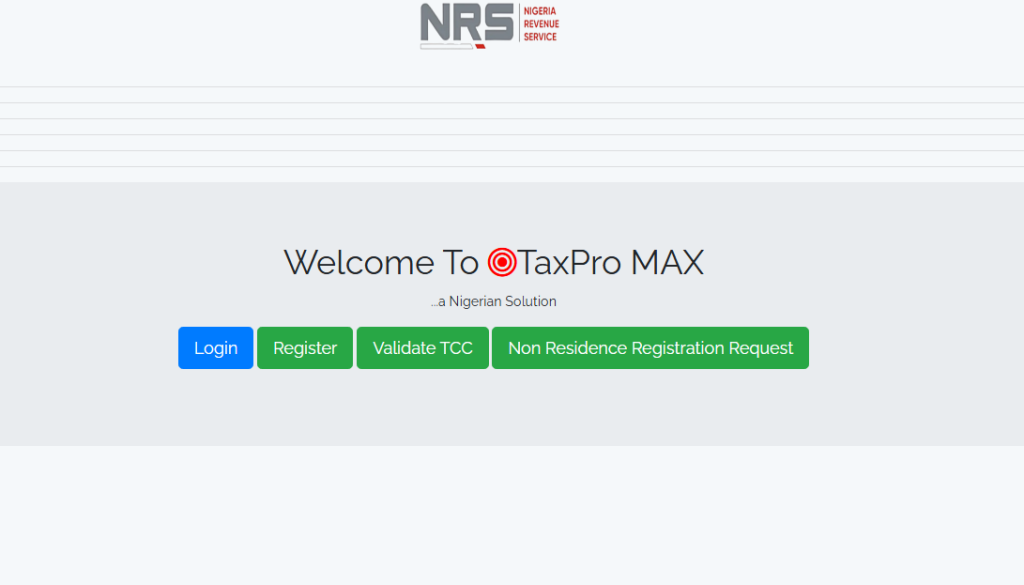
The official FIRS portal handles all crypto tax filing. You report crypto gains through standard income tax returns. Crypto integrates into regular personal income tax forms.
The portal requires uploading transaction summaries and documentation. Detailed records support your reported gains and losses. The system flags returns lacking proper documentation.
Filing deadlines match regular income tax schedules. Missing deadlines triggers penalties and interest charges. Set reminders well before due dates annually.
Frequently Asked Questions
How is crypto tax Nigeria explained simply?
Crypto tax Nigeria explained shows progressive rates from 7-25% on realized crypto gains since January 2026, with first ₦800,000 annual income tax-free. All transactions require Tax Identification Number linkage, and exchanges report user activity monthly to Nigeria Revenue Service.
What crypto transactions are taxable in Nigeria?
Taxable crypto events include selling for Naira, swapping one crypto for another, using crypto for purchases, and receiving crypto as income including mining and staking rewards. Simply holding cryptocurrency without transactions generates no tax obligation.
Do I need TIN and NIN for crypto trading?
Yes, all crypto trading requires both Tax Identification Number and National Identification Number. Every platform verifies these during registration against government databases. Trading without proper verified identification became impossible on licensed platforms.
How much tax do crypto businesses pay?
Crypto businesses pay 30% Corporate Income Tax on operational profits plus 7.5% Value Added Tax on transaction fees charged to users. Platforms must also meet ₦2 billion minimum capital requirement and submit monthly user transaction reports.
What penalties apply for not reporting crypto?
Individuals face fines starting at ₦10,000 for non-reporting, with potential criminal prosecution for intentional evasion. Virtual Asset Service Providers pay ₦10 million for first month of missed reports plus ₦1 million each subsequent month, risking license revocation.