Key Takeaways:
- Sovereign Bitcoin reserves now include holdings from the US (198,000-328,000 BTC), China (194,000 BTC), and UK (61,243 BTC)
- President Trump signed an Executive Order in 2025 establishing a Strategic Bitcoin Reserve as a “digital Fort Knox”
- El Salvador pioneered direct Bitcoin purchases for reserves, while Bhutan mines BTC using renewable hydropower
- Countries accumulate Bitcoin through seizures, direct purchases, or state-run mining operations
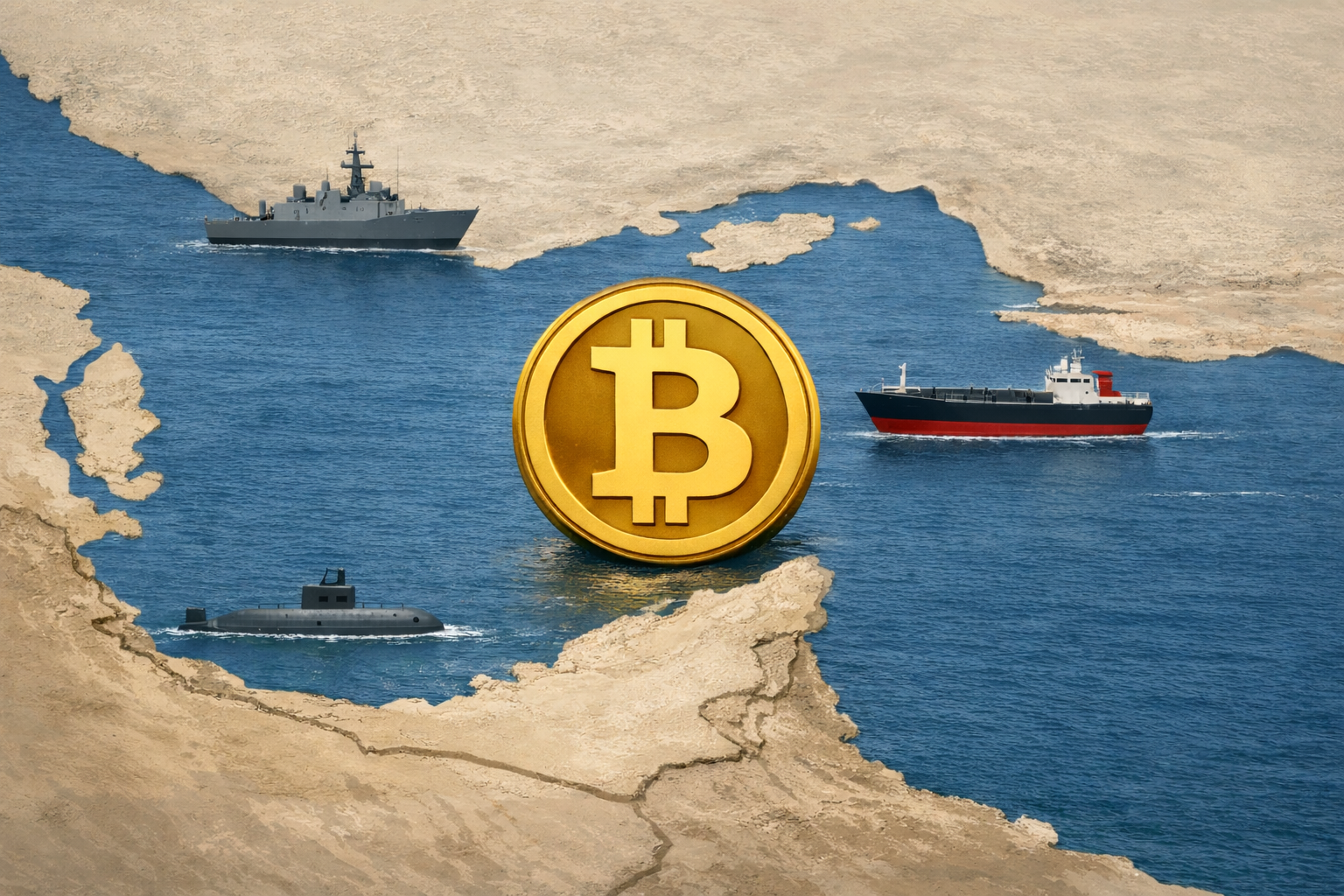
Sovereign Bitcoin reserves have evolved from a fringe concept into established government policy across multiple continents. The United States holds between 198,000 and 328,000 BTC accumulated primarily through law enforcement seizures, while El Salvador purchases one Bitcoin daily as part of its treasury strategy. President Trump’s 2025 Executive Order formalizing a Strategic Bitcoin Reserve marked a turning point, legitimizing cryptocurrency as a national asset class alongside gold and foreign currency. Countries now view Bitcoin as a hedge against inflation, a tool for economic sovereignty, and a strategic position in the emerging digital economy.
How Do Countries Acquire Bitcoin for Reserves?
Sovereign Bitcoin reserves come from three distinct acquisition methods, each reflecting different strategic priorities and resource availability. Law enforcement seizures represent the primary accumulation path for the United States, United Kingdom, and Ukraine. The US government confiscated approximately 69,000 Bitcoin from Silk Road alone, with additional seizures from Bitfinex hackers and other criminal operations over the past decade.
Direct treasury purchases mark the second acquisition method, exemplified by El Salvador’s approach since 2021. The country buys one Bitcoin per day regardless of price, treating accumulation as a long-term strategic investment rather than market timing. This dollar-cost averaging approach has built El Salvador’s holdings to over 6,000 BTC despite the small Central American nation’s limited budget.
State-run mining operations represent the third path, with Bhutan leading this strategy. Druk Holding & Investments uses excess renewable hydropower to mine Bitcoin, accumulating over 13,000 BTC worth hundreds of millions. This approach converts otherwise wasted energy into sovereign reserves while avoiding direct budget expenditure.
The Seizure Pipeline
The United States seized Bitcoin timeline spans over a decade of criminal prosecutions and asset forfeitures. Major seizures include:
- 69,000 BTC from Silk Road marketplace founder Ross Ulbricht
- 94,000 BTC from Bitfinex hackers arrested in 2022
- Thousands more from darknet markets and ransomware operations
- Ongoing forfeitures from crypto fraud prosecutions
These holdings weren’t originally intended as strategic reserves. The government auctioned early seizures through the US Marshals Service, selling tens of thousands of Bitcoin between 2014 and 2020. Trump’s Executive Order changed this policy, mandating retention rather than liquidation for all future and existing forfeited Bitcoin.
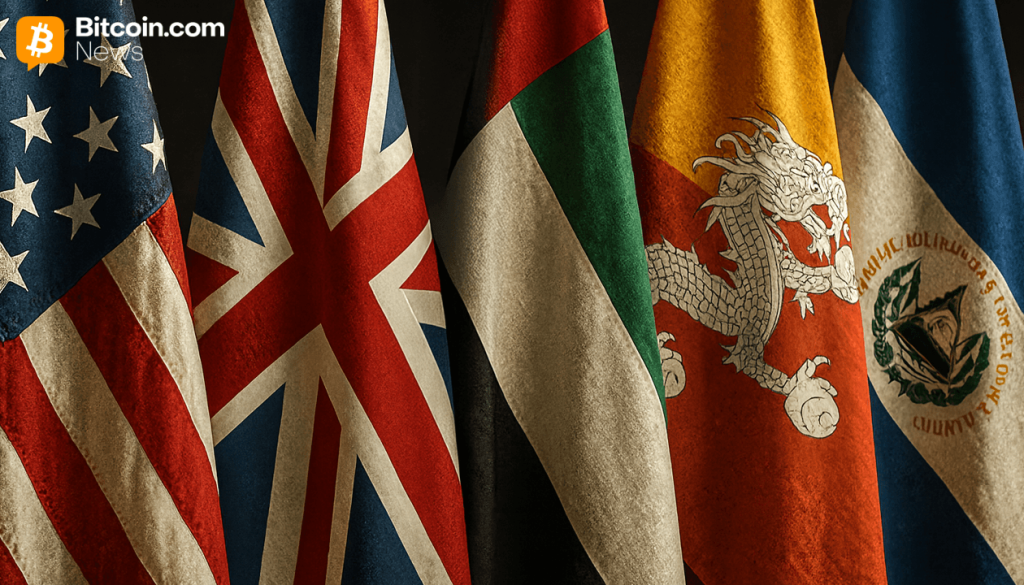
Which Countries Hold the Largest Bitcoin Reserves?
The sovereign Bitcoin reserves leaderboard reveals surprising concentration among nations that didn’t intentionally build positions. China ranks second globally with approximately 194,000 BTC despite banning cryptocurrency trading and mining domestically. These holdings came entirely from law enforcement seizures during the 2021 crackdown on crypto operations.
The United Kingdom holds 61,243 BTC from criminal asset forfeitures, making it the third-largest sovereign holder. Ukraine’s 46,351 BTC came through donations during the 2022 conflict, initially intended for military and humanitarian aid. The government retained significant portions as strategic reserves rather than immediately converting to fiat currency.
Bhutan’s 13,000+ BTC represents a fundamentally different approach focused on sustainable mining. The tiny Himalayan kingdom leverages abundant hydroelectric power to mine Bitcoin without environmental concerns or budget impact. These holdings represent a meaningful percentage of Bhutan’s GDP, giving cryptocurrency outsized importance in national economic planning.
El Salvador’s 6,000+ BTC may seem modest compared to seizure-based holdings, but the deliberate accumulation strategy carries different implications. The country made Bitcoin legal tender in 2021, integrating cryptocurrency into its monetary system. Daily purchases continue regardless of market conditions, signaling long-term commitment rather than opportunistic accumulation.
Why Are Governments Treating Bitcoin as a Reserve Asset?
Sovereign Bitcoin reserves serve multiple strategic objectives that extend beyond simple portfolio diversification. Inflation hedging ranks among the primary motivations, particularly for countries concerned about currency debasement through excessive money printing. Bitcoin’s fixed 21 million supply cap provides mathematical certainty that no central authority can increase supply.
Economic sovereignty represents another key driver, especially for nations seeking to reduce dependence on dollar-denominated systems. Traditional reserves require holding US Treasury bonds or maintaining dollar deposits in foreign banks. Bitcoin offers an alternative reserve asset outside any single nation’s control or influence.
Portfolio diversification follows modern treasury management principles that spread risk across uncorrelated assets. Gold, foreign currencies, and bonds move together more closely than many expect during global crises. Bitcoin’s low correlation to traditional assets theoretically improves overall portfolio risk-adjusted returns.
Strategic positioning in the digital economy motivates forward-looking governments to establish early positions. Countries accumulating Bitcoin now gain influence over potential future monetary systems built on blockchain technology. This positioning mirrors historical advantages nations gained from early adoption of previous technological shifts.
The US Strategic Bitcoin Reserve
President Trump’s 2025 Executive Order established formal policy around sovereign Bitcoin reserves after years of ad-hoc accumulation. The Digital Asset Stockpile designation creates a “digital Fort Knox” holding all forfeited Bitcoin rather than auctioning it. This policy shift recognizes Bitcoin as a strategic asset comparable to gold reserves.
The order doesn’t authorize new Bitcoin purchases using taxpayer funds, avoiding immediate budget impact or market disruption. Instead, it formalizes retention of existing and future seized assets. The distinction matters politically because direct purchases would require Congressional appropriation and face opposition from dollar advocates concerned about undermining fiat currency.
What Challenges Do Sovereign Bitcoin Reserves Face?
Price volatility represents the most obvious challenge for sovereign Bitcoin reserves, with potential swings of 50% or more during market cycles. Traditional reserve assets like gold or bonds fluctuate far less dramatically. A country holding significant Bitcoin reserves could see billions in paper gains or losses within months, complicating budget planning and economic stability.
Security requirements for sovereign Bitcoin reserves exceed typical government IT infrastructure capabilities. Protecting private keys controlling billions in Bitcoin demands specialized expertise, hardware security modules, and multi-signature arrangements. A single security breach could result in permanent, irreversible losses with no insurance or recourse.
Political pressure and regulatory uncertainty complicate sovereign Bitcoin reserves in democracies with opposition parties. Critics argue governments shouldn’t speculate on volatile assets using public resources. Each market downturn triggers demands to liquidate holdings, potentially forcing sales at disadvantageous prices.
The dollar relationship creates particular complications for US Bitcoin reserves. Some economists warn that large-scale government purchases could undermine confidence in the dollar by signaling official doubt about fiat currency. The Trump administration addressed this by limiting reserves to seized assets rather than active purchases.

What Other Countries Are Considering Bitcoin Reserves?
Legislative proposals for sovereign Bitcoin reserves are emerging across multiple continents beyond current holders. Brazil’s proposed “RESBit” initiative would establish a formal Bitcoin reserve funded through a portion of international reserves. The bill faces opposition but demonstrates growing mainstream consideration of cryptocurrency in national treasuries.
The Philippines legislature is debating similar proposals to allocate a small percentage of reserves to Bitcoin. Proponents argue that even 1% allocation would position the country advantageously if Bitcoin becomes a major reserve asset. Opponents cite volatility and regulatory uncertainty as disqualifying factors.
Switzerland’s cantons have debated accepting tax payments in Bitcoin, with some already implementing pilot programs. While not formal reserves, accepting Bitcoin for taxes requires holding cryptocurrency, creating de facto government positions. This bottom-up approach may lead to formal reserve policies if successful.
Paraguay and other energy-rich nations are exploring Bhutan’s mining-based approach to sovereign Bitcoin reserves. Countries with excess renewable energy capacity can convert wasted electricity into Bitcoin holdings without budget impact. This strategy appeals to nations with hydroelectric, geothermal, or other stranded energy resources.
Frequently Asked Questions
How much Bitcoin does the US government own?
The United States holds between 198,000 and 328,000 BTC worth tens of billions of dollars, accumulated primarily through law enforcement seizures from criminal operations. President Trump’s 2025 Executive Order established these holdings as a Strategic Bitcoin Reserve rather than assets to be auctioned.
Why did El Salvador adopt Bitcoin as a reserve asset?
El Salvador made Bitcoin legal tender in 2021 as part of a broader economic strategy to attract foreign investment, reduce remittance costs, and diversify away from dollar dependence. The country purchases one Bitcoin daily for sovereign Bitcoin reserves regardless of market price.
Can governments lose their Bitcoin holdings?
Yes, governments face the same security risks as private holders regarding sovereign Bitcoin reserves. Lost private keys mean permanently inaccessible funds with no recovery option. Security breaches could allow hackers to steal government-held Bitcoin irreversibly.
Do Bitcoin reserves threaten national currencies?
Some economists argue that large sovereign Bitcoin reserves signal official doubt about fiat currencies, potentially undermining confidence. Others contend Bitcoin serves as portfolio diversification similar to gold reserves without threatening currency stability.
Which country will build the largest Bitcoin reserve?
The United States currently holds the largest sovereign Bitcoin reserves through seizures and likely will maintain this position given ongoing law enforcement activity. However, deliberate accumulation strategies from nations like El Salvador or mining operations in energy-rich countries could eventually surpass seizure-based holdings.