Key Takeaways
- USDT and USDC process international transfers in minutes while traditional services take 3-5 days
- Stablecoin remittances cost under 1% compared to 6-8% fees from banks and money transfer operators
- Both stablecoins work 24/7 on mobile devices and reach people without bank accounts worldwide
Sending money home shouldn’t drain your wallet or take forever to arrive. USDT and USDC have changed how millions send money across borders every day. These stablecoins move funds in minutes instead of days. They charge minimal fees instead of taking big cuts from your transfer.
Banks and money transfer companies typically charge 6-8% per transaction. Your family loses $60-80 on every $1,000 you send through traditional services. Stablecoins cut these costs down to less than 1% in most cases.
Both USDT and USDC maintain a 1:1 peg with the US dollar. When you send $500, your family receives $500 worth of value. You only pay a small network fee that usually stays under $1.
The global remittance market moves $700 billion yearly. Families depend on this money for food, rent, medical bills, and school fees. Every dollar saved on fees puts more money in their hands.
What Makes USDT and USDC Stand Out from Other Stablecoins?
Dozens of stablecoins exist today, but USDT and USDC dominate remittances for good reasons. Their reach and liquidity beat smaller competitors hands down.
USDT holds the largest market cap among all stablecoins. You’ll find it on practically every crypto exchange worldwide. This presence means converting USDT to local currency works almost anywhere.
USDC ranks second in size but leads in transparency. Circle publishes monthly reports showing exactly where their reserves sit. Independent auditors verify these holdings regularly. This openness builds trust with people sending money home.
Both stablecoins run on multiple blockchain networks. USDT works on Ethereum, Tron, and Binance Smart Chain. USDC operates on Ethereum, Solana, and Polygon. Different networks offer different speeds and costs.
Tron-based USDT charges the lowest fees right now. Most transactions cost under $1 regardless of amount. Polygon USDC costs even less at $0.01-0.10 per transfer. Western Union charges $15 flat fees plus percentage cuts by comparison.
High liquidity means better exchange rates when converting to local currency. It also means faster transactions with less slippage on larger amounts.
How Do These Stablecoins Cut Your Transfer Costs?
Traditional services stack fees on top of each other. They charge for sending and receiving. They add markups on currency conversion. They include fees for intermediary banks. These costs add up fast.
Stablecoins eliminate most of these layers through blockchain technology. Here’s how you save money:
- Network fees replace service charges. You only pay to process the blockchain transaction. Tron USDT costs $0.50-1.00 per send. Polygon USDC runs $0.01-0.10 per transfer. Even Ethereum only charges $2-20 based on network traffic.
- No exchange rate markup. Banks profit by buying currency cheap and selling it expensive. This spread costs 3-5% of your transfer. Stablecoins stay pegged to the dollar. Recipients convert through P2P exchanges at fair market rates.
- Zero hidden fees. Banks add surprise charges after you send money. Correspondent bank fees and international charges pop up unexpectedly. Blockchain shows all fees upfront before you confirm anything.
Your recipient knows exactly what they’ll receive. No surprises cut into their budget later.
Why Does Transfer Speed Matter for Sending Money Home?
Medical emergencies don’t wait for banking hours. School fees have firm deadlines. Rent comes due regardless of transfer delays.
Banks only process international transfers during business hours on weekdays. Send money Friday afternoon? It might not arrive until Wednesday. Weekends and holidays freeze the entire system.
Blockchains never sleep or take holidays. You can send USDT or USDC at 3 AM on Christmas if needed. The network processes your transaction within minutes anytime.
Most transfers complete fast based on which network you choose. Tron settles in 1-3 minutes. Polygon completes in under 30 seconds. Binance Smart Chain takes 3-5 minutes. Ethereum finishes in 2-15 minutes during normal traffic.
Recipients can convert to local currency right after receiving funds. Total time from send to cash often stays under 30 minutes.
Mobile access extends these benefits to everyone with a smartphone. Over 60% of remittance recipients live in areas with limited banking. They might not have bank accounts but they own phones.
Wallets like Trust Wallet and MetaMask work on basic smartphones. No bank account required. This reaches people traditional banking ignores.
Which Countries Benefit Most from Stablecoin Remittances?
Some regions pay brutal fees for remittances through traditional channels. These areas see the biggest improvements with stablecoins.
Sub-Saharan Africa faces the highest costs globally. Average fees exceed 8% of transfer amounts. Nigeria, Ghana, and Kenya get hit particularly hard.
Stablecoins change this completely. Recipients access P2P platforms for cash conversion. Local exchanges offer competitive rates. Some areas even have Bitcoin ATMs for instant withdrawals.
Latin America shows similar expensive patterns. Mexico, Colombia, and Venezuela benefit from dollar-pegged stablecoins. Political instability makes holding local currency risky. Stablecoins provide stability traditional banking can’t guarantee.
India receives over $100 billion in remittances yearly. Pakistan and the Philippines rank high too. These countries now have growing stablecoin infrastructure with local exchanges and P2P platforms.
How Do You Get Started with Stablecoin Remittances?
Starting requires some initial setup. The process becomes routine after your first transaction.
First, choose a reliable crypto wallet that supports stablecoins. Trust Wallet works great for mobile users. MetaMask suits desktop users well. Download only from official sources since fake apps steal funds.
Backup your wallet right after setup. Write your recovery phrase on paper. Store it somewhere safe and private. Never share this phrase with anyone. Scammers use recovery phrases to drain wallets completely.
Buy USDT or USDC through exchanges like Coinbase or Binance. You can use bank transfers or debit cards. After purchasing, send to your recipient’s wallet address.
Double-check addresses character by character before sending. Blockchain transactions can’t be reversed once confirmed. Wrong addresses mean permanent fund loss. Send a small test amount first. This costs little but prevents major losses from typos.
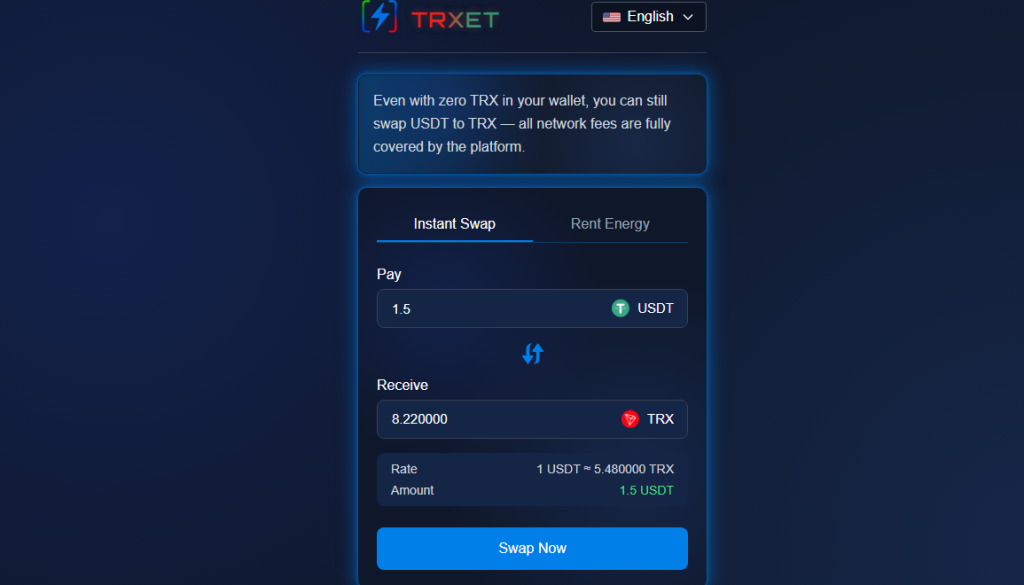
Recipients convert stablecoins through local exchanges or P2P platforms. Exchange rates vary between platforms. Compare options before converting since 2-3% differences add up.
Understanding wallet security helps protect your funds throughout this process. Use strong passwords and enable two-factor authentication. Keep recovery phrases offline and secure. Verify all addresses before sending.
What Risks Should You Know About?
No financial tool is completely risk-free. Stablecoins carry specific challenges you should understand.
Technical knowledge matters when getting started. Wallet addresses and blockchain confirmations confuse newcomers. Wrong addresses or incorrect networks cause permanent loss. Traditional banking offers some recourse for mistakes. Blockchain doesn’t work that way.
Start small while learning the ropes. Practice with $10-20 transactions first. This teaches the process without risking large amounts.
Regulatory uncertainty affects different countries differently. Some governments embrace crypto. Others restrict or ban it. Stay informed about local regulations through online communities.
USDT and USDC maintain their dollar peg remarkably well. Temporary price deviations happen during extreme market stress though. Convert to local currency quickly after receiving. Don’t hold large balances long-term unless necessary.
The remittance industry resists change since current systems are profitable. But technology shifts markets regardless. Stablecoin volumes grow exponentially each year. USDT processed over $50 trillion in 2024. USDC volumes exceed $10 trillion annually.
These numbers reflect real people choosing crypto over traditional services. Younger generations adopt crypto naturally. As they age into prime remittance-sending years, adoption will accelerate further.