The November 3 United States midterm elections are approaching, with Congress in its final pre-election recess and the future of comprehensive crypto legislation still unresolved after the CLARITY Act failed in the Senate.
The election will determine which party controls the House of Representatives and Senate when the next Congress begins in January 2027, and the outcome could influence digital asset legislation, congressional oversight of federal regulators and the direction of crypto tax reform.
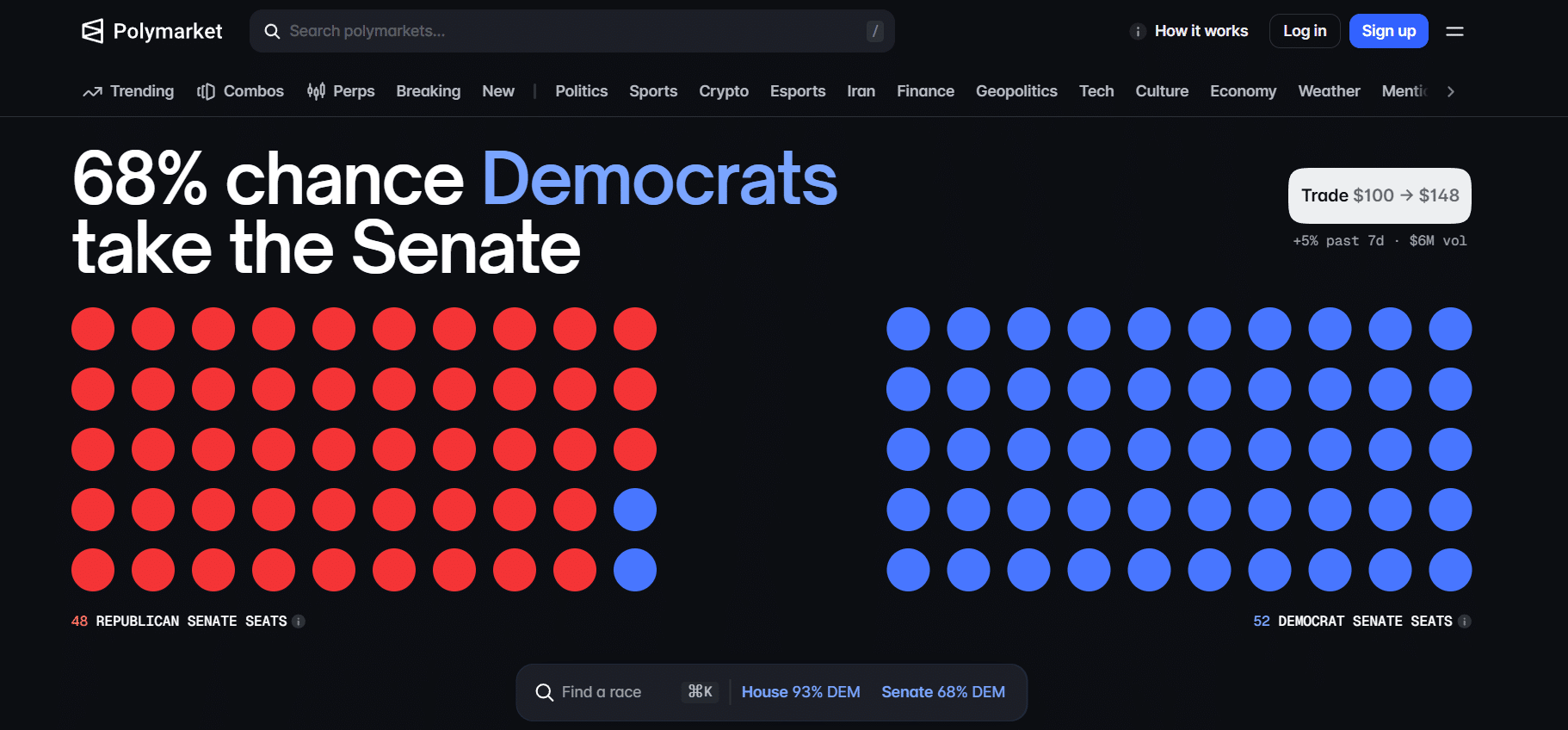
As of October 4, polling suggested Democrats could regain control of the House, while the Senate remained competitive. Prediction markets also leaned towards the Democratic Party.
The immediate question for the crypto industry is what lawmakers can accomplish after the election, particularly now that its main market structure bill has stalled.
Congress Enters Its Final Recess Before November 3
With lawmakers away from Washington for the final pre-election recess, opportunities to advance major crypto legislation before November have narrowed considerably.
The September 15 failure of the CLARITY Act was a setback for the industry’s effort to establish a comprehensive federal market structure framework. The procedural motion passed 49-50, falling short of the 60 votes needed to move it forward.
The bill aimed to clarify how responsibility for digital asset oversight would be divided between the Securities and Exchange Commission (SEC) and Commodity Futures Trading Commission (CFTC).
Negotiations had continued for months, but disagreements over ethics provisions, stablecoin rewards and other policy issues prevented lawmakers from reaching a sufficient bipartisan compromise.
The November election now introduces another complication. Even if lawmakers revive negotiations after the vote, they will have limited time before the current Congress concludes.
House Control Could Change While the Senate Remains Competitive
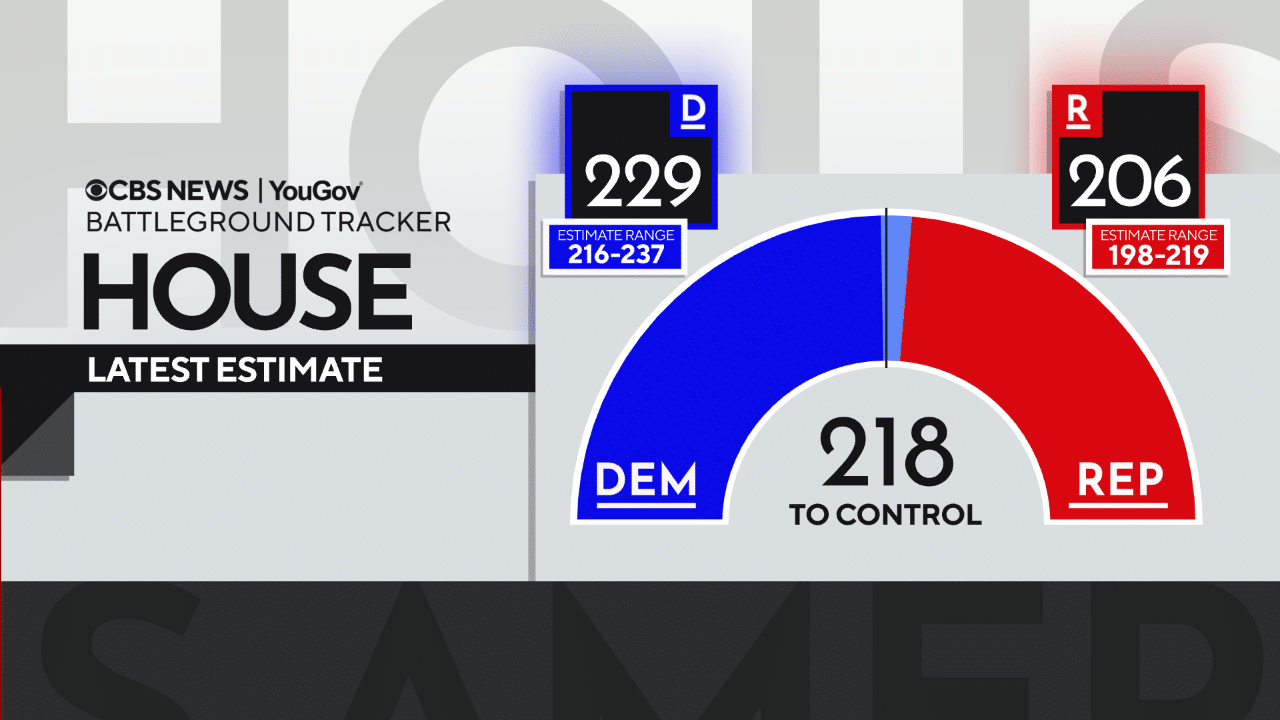
An October 4 poll by CBS News indicated that Democrats were positioned to make gains in the House of Representatives, with some forecasts suggesting a possible change in majority control.
Notably, the Senate picture was less settled.
Moreover, prediction markets, including Kalshi and Polymarket, had also reflected expectations of Democratic gains as of this reporting.
For crypto regulation, the results could produce several different congressional arrangements.
| Possible Election Outcome | Potential Implication for Crypto Policy |
| Republicans retain both chambers | Existing legislative priorities could continue, although bipartisan support would still be necessary for measures facing a Senate filibuster |
| Democrats win the House, Republicans retain the Senate | Market structure legislation may require renewed negotiations between the chambers |
| Democrats win both chambers | Legislative leadership and priorities could change, potentially requiring new market structure proposals |
Table 1. Possible Congressional Outcomes and Their Implications for Crypto Regulation
These are legislative scenarios, not predictions that any particular party will support or oppose every digital asset proposal.
Individual lawmakers have taken different positions on crypto regulation, and the CLARITY Act’s September vote included opposition from both parties.
Crypto Oversight Will Continue Even Without the CLARITY Act
The next Congress will have an important role in overseeing federal regulators regardless of whether comprehensive market structure legislation advances.
The SEC, CFTC, Office of the Comptroller of the Currency (OCC) and Treasury Department are expected to continue work on digital asset regulation under their existing legal authority.
Congress, however, retains oversight responsibilities and authority over agency budgets. Lawmakers can also hold hearings, request information and examine how regulators implement their policies.
The CLARITY Act was intended to establish clearer statutory responsibilities for federal agencies, rather than leaving major questions to regulatory interpretation.
Without that legislation, the SEC and CFTC can continue advancing rules and guidance, but their actions cannot independently provide every authority that requires an act of Congress.
Changes in congressional leadership could therefore affect the scrutiny those agencies receive and the direction of future legislative proposals.
Crypto Tax Reform Could Become Congress’s Next Priority
While market structure legislation remains uncertain, cryptocurrency taxation has emerged as another area of congressional activity.
The House Ways and Means Committee advanced bipartisan crypto tax legislation in September. Senator Steve Daines (R-MT) also introduced a separate crypto tax bill in the Senate shortly before lawmakers entered their pre-election recess.
Recent legislative discussions have included the treatment of everyday crypto payments, staking and mining income, and rules governing gains and losses from cryptocurrency transactions.
The next Congress may need to revisit these measures, negotiate changes or introduce replacement legislation depending on the election results.
| Crypto Policy Area | Status Ahead of the Midterms |
| CLARITY Act | Stalled after September 15 procedural vote |
| SEC and CFTC digital asset rules | Regulatory work continuing |
| House crypto tax legislation | Advanced by the Ways and Means Committee |
| Senate crypto tax legislation | Separate proposal introduced by Sen. Steve Daines |
| Future market structure legislation | Uncertain pending further negotiations |
Table 2. Major US Crypto Policy Developments Before the November Election
Crypto Political Groups Increase Spending in Key Senate Races
Digital asset industry-backed political committees are also preparing for the November election.
One of the most closely watched contests is Ohio’s Senate race between Republican incumbent Jon Husted and former Democratic Senator Sherrod Brown.
Defend American Jobs, a political action committee affiliated with the crypto industry’s Fairshake network, announced plans to spend approximately $30 million opposing Brown’s return to the Senate.
Separate spending from the Digital Freedom Fund brings the reported industry-backed total targeting Brown to about $33 million.
Brown previously chaired the Senate Banking Committee and has criticized parts of the crypto industry. During his earlier Senate tenure, he opposed several industry-backed regulatory proposals.
However, campaign spending does not determine how voters will respond or the election’s outcome.
The industry’s involvement also raises a broader political consideration: crypto companies will need working relationships with lawmakers from both parties regardless of which party controls Congress in January.
A New Congress Could Mean Restarting Market Structure Negotiations
Even if lawmakers attempt to revive the CLARITY Act after November 3, the remaining legislative calendar presents a challenge.
The current Congress concludes before the next one begins in January 2027.
If the bill does not pass during the remaining session, lawmakers would need to pursue legislation again in the new Congress.
That process could involve introducing a revised proposal, rebuilding committee support and negotiating across both chambers.
Some industry participants hope the CLARITY Act could return before the end of 2026, while others expect a new approach may be necessary after the election.
The next congressional majority will influence who controls the relevant committees and how legislative negotiations are organized, but any eventual market structure bill will still need to overcome the applicable procedural and political requirements.
What Comes Next
The next major milestone is the November 3 midterm election, which will determine Congress’s composition beginning in January 2027.
Until then, federal regulators can continue advancing digital asset initiatives under existing authority, while lawmakers prepare for possible negotiations on crypto taxation and market structure legislation after the election.
Attention will also remain on whether the CLARITY Act receives another opportunity during the post-election session or whether comprehensive crypto reform moves into the next Congress.
What this means for you: The midterm elections will not automatically change how your crypto is regulated or taxed. However, the results could influence which crypto bills move forward in 2027, how lawmakers oversee the SEC and CFTC, and whether market structure and tax reform return under a revised legislative framework.