Key Takeaways
- Ripple opened its new MEA headquarters in Dubai’s DIFC, showing a strong focus on growing its business in the region.
- The UAE’s well-defined regulations and strong support for fintech make Dubai a key base for Ripple’s expansion in MEA.
- Ripple plans to double its MEA team, hiring more staff in business, compliance, and partnerships roles.
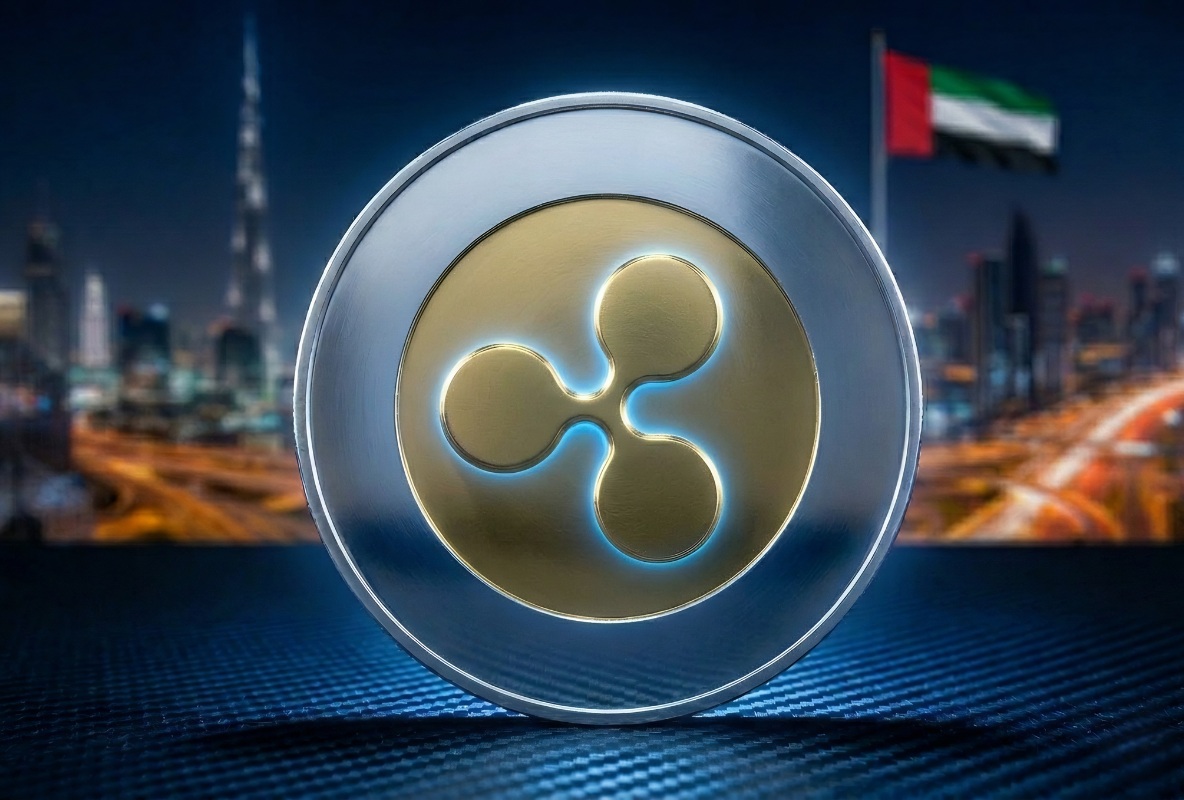
Blockchain payments company Ripple has officially opened its expanded Middle East and Africa (MEA) headquarters in Dubai, taking a major step forward in one of its fastest-growing markets. The new office is located inside the Dubai International Financial Center (DIFC), one of the most important financial hubs in the world.
For Ripple, this is more than just a new office space. It is a clear sign of how seriously the company is taking its growth across the Middle East and Africa. Across the region, more businesses and financial institutions are turning to blockchain technology to make payments faster, cheaper, and more reliable. Ripple wants to be at the center of that movement, and setting up a stronger base in Dubai is how it plans to get there.
UAE’s Role As A Global Digital Finance Hub
Ripple’s choice of Dubai is no accident. The UAE has quickly built a reputation as one of the top destinations for blockchain and fintech companies, thanks to its clear regulations and strong government support for digital finance.
Dubai in particular has grown into a busy center for digital asset activity, attracting major players from around the world. For companies looking to expand across the Middle East and Africa, it offers the right combination of infrastructure, access, and credibility. Ripple’s decision to plant deeper roots here fits naturally into this bigger picture, as the UAE continues to lead the way in building a well-regulated digital finance environment that businesses can trust and grow within.
Workforce Expansion To Support Regional Growth
Ripple is not just opening a new office. It is also investing in the people who will help grow its business across the Middle East and Africa. As part of this plan, the company intends to double its workforce in the region by hiring more people in areas such as business development, compliance, and institutional partnerships.
This hiring push comes at a good time. Banks and financial institutions across the Middle East and Africa are actively looking for better ways to send money across borders, a process that has long been slow and expensive. Blockchain technology offers a faster and cheaper way to do this, and Ripple is one of the companies leading that effort.
By growing its team in the region, Ripple will be better positioned to work closely with these institutions, build lasting relationships, and keep pace with the rising demand for its services.
Growing Institutional Demand Across MEA
The timing of Ripple’s expansion lines up with a bigger change happening across the Middle East and Africa. Financial institutions in the region are feeling more pressure to improve how they move money, and many are now looking at blockchain technology as a real solution.
The reason is simple. Blockchain can make settlements faster, cutting down processes that used to take days, while also reducing the high costs that have long made sending money across borders difficult for businesses and their customers.
Ripple’s Managing Director for the Middle East and Africa, Reece Merrick, says the region has become a key part of the company’s growth worldwide.
“In recent years the Middle East has become an increasingly vital driver of Ripple’s global growth. Our new regional headquarters is a reflection of our ongoing commitment to playing our part in the region’s upward trajectory,” he said.
This is exactly where Ripple sees its chance to grow. Trade across the region is increasing, and with it comes a greater need for payment systems that can handle the demand. Key routes connecting the Gulf states, East Africa, and South Asia are busier than ever, and the need for faster and more dependable ways to move money is becoming more urgent.
Merrick added that the strong interest from local businesses has been clear since Ripple first entered the UAE.
“From our earliest days in the UAE, we have seen first-hand the appetite from local businesses for regulated, blockchain-powered payment infrastructure, an appetite that is only growing,” he said.
Ripple’s technology is built for this kind of environment, and with a bigger and more established presence in Dubai, the company is now in a much better position to meet that demand and help change how money moves across the region.
The Clients Behind The Expansion
Ripple did not expand into the Middle East and Africa without a foundation already in place. The companies it highlighted in its announcement tell a clear story about who Ripple is working with and what it is offering them.
- Zand Bank is a UAE-licensed digital bank powered by artificial intelligence and an existing Ripple Payments customer. The bank is also preparing to launch a stablecoin backed by the UAE dirham that would run on Ripple’s payment network.
- Mamo is a UAE-based fintech that serves small businesses and everyday consumers. It uses Ripple Payments to process cross-border money transfers.
- Ctrl Alt is a custody partner that uses Ripple’s institutional technology to store tokenized real estate title deeds on behalf of the Dubai Land Department, bringing blockchain directly into property ownership records.
- Garanti BBVA is one of Turkey’s major banking groups and has previously announced a working relationship with Ripple and IBM.
- Absa Bank is a well-known South African banking group that is using Ripple Custody to support its growth across Africa.
- Chipper Cash is a fintech operating across multiple African markets, using crypto-enabled technology to power payments across the continent.
Together, these partnerships cover banks, fintechs, and tokenization providers across three regions: the UAE, sub-Saharan Africa, and Turkey. For Ripple, that range says it all. This is not a focused bet on one market but a clear push to grow its presence across the entire region.
Ripple’s Dubai Base and Regional Payment Demand
Ripple’s expanded headquarters in Dubai is more than a milestone for the company. It is a sign of where the future of payments is heading across the Middle East and Africa. As the region continues to grow as a center for trade and finance, the demand for faster, cheaper, and more reliable ways to move money will only increase. With a bigger team on the ground, a strong base in one of the world’s leading financial hubs, and technology built for the challenges of cross-border payments, Ripple is putting itself in a strong position to be a major part of that future. The company has made it clear that the Middle East and Africa are not just markets to watch. They are markets to invest in, build in, and grow in for the long term.
Frequently Asked Questions
What is Ripple’s new move in Dubai’s DIFC?
Ripple announced the expansion of its Middle East and Africa (MEA) HQ in Dubai’s DIFC, strengthening its presence in a key financial hub.
Why is Dubai important for Ripple’s growth?
Dubai is a major fintech and digital finance hub with strong infrastructure and clear regulations, making it ideal for Ripple’s regional expansion.
How will Ripple grow its team in MEA?
Ripple plans to double its workforce in the region by hiring more staff in business development, compliance, and partnerships.
Which companies are working with Ripple in the region?
Ripple works with banks, fintechs, and partners like Zand Bank, Mamo, Absa Bank, Chipper Cash, and Ctrl Alt.
Why is blockchain important for payments in MEA?
Blockchain helps make cross-border payments faster, cheaper, and more efficient compared to traditional banking systems.