A few years ago, most people expected NFTs to fade out along with the rest of the 2021 hype cycle. That didn’t happen. The market kept moving instead, driving real activity across digital art, gaming assets, virtual land, and creator-led projects, and it did that by surviving several hype cycles rather than riding just one.
Fortune Business Insights projects the global NFT market to grow from $18.71 billion in 2026 to $102.59 billion by 2034, as tracked in its NFT market report. What used to be a niche corner of Web3 has become a genuine part of how people buy, sell, and prove ownership of digital items.
The catch is that there are now dozens of marketplaces competing for that activity, and picking one can feel like guesswork if you don’t know what to look for. This article walks through seven marketplaces that have kept building through multiple market cycles instead of disappearing after one.
Zora
Zora is a fully decentralized marketplace built around creator control. Artists mint and sell tokens directly on-chain, with pricing and royalty mechanisms designed to keep paying out on secondary sales rather than just the first one.
The platform runs on community governance, meaning users can vote on policy changes and feature updates rather than waiting on a company to decide unilaterally. Because NFTs stay entirely on-chain, Zora appeals to collectors who prioritize verifiable ownership over convenience.
OpenSea
OpenSea is the largest and most established NFT marketplace, hosting millions of listings across art, collectibles, virtual land, and gaming items. The interface is simple enough for a first-time buyer but still has the depth professional traders expect.
It supports multiple blockchains, including Ethereum, Polygon, and Solana, so users can pick a lower-fee network depending on what they’re trading. That multi-chain support, combined with high liquidity, is why OpenSea remains most people’s first stop when buying or selling an NFT.
SuperWorld
SuperWorld focuses on virtual land NFTs tied to real-world geographic coordinates. Each token represents a parcel of virtual real estate that owners can develop, monetize, or simply hold as a digital claim on a physical location.
Beyond land, the platform lets creators host virtual events and display artwork tied to those coordinates. It’s a narrower use case than a general marketplace, but that focus is exactly what draws people interested in the metaverse and location-based digital experiences.
Rarible
Rarible is a multi-chain marketplace built around flexibility, connecting Ethereum, Polygon, Base, Arbitrum, and its own RARI Chain into one interface. Collectors can browse and buy across networks without switching platforms, while creators get lazy minting and gasless options through Layer 2 support.
The platform runs on a regressive fee structure, meaning the percentage drops as the sale price climbs, and users who lock RARI tokens can trade with 0% fees. Decentralized governance lets the community vote on platform changes, giving creators and traders a direct say in how it evolves.
Blur
Blur built its following among active traders who wanted professional tools without the standard marketplace fees. Floor price tracking, bulk listings, and sweep tools let power users manage large collections without doing everything one trade at a time.
The platform pairs those tools with real-time portfolio analytics and a token incentive program tied to trading activity. That combination has made Blur the default choice for traders running NFTs as a volume strategy rather than a collecting hobby.
LooksRare
LooksRare is an Ethereum-based marketplace that rewards participation directly. Both buyers and sellers earn LOOKS tokens for trading, which creates an incentive to stay active on the platform rather than just list an item once and walk away. Creators still collect royalties on every secondary sale.
The platform also runs on decentralized governance, letting token holders vote on fee structures and new features. That mix of trading rewards and community input has kept LooksRare relevant with experienced traders who want a direct stake in how the platform evolves.
Xooa Marketplace
Xooa Marketplace focuses on interactive, utility-driven NFTs rather than static collectibles. Tokens here can unlock in-app content, power gaming features, or support augmented reality experiences, which means ownership comes with functionality rather than just a picture.
The platform supports Ethereum alongside other major blockchains, giving developers flexibility in how they build and distribute these connected assets. Xooa is the platform to check if you’re more interested in what an NFT does than what it looks like.
How to Pick the Right NFT Marketplace
To pick the right NFT marketplace, start from your goal, because collecting art, holding gaming assets and active trading need different platforms. Then compare the blockchain it runs on (fees, settlement speed, wallet support), the full cost including gas, how active its community and support are, and whether its smart contracts are publicly audited.
Every marketplace on this list solves a slightly different problem, so the right choice depends less on hype and more on what you’re trying to do. Run through these five factors before you sign up or connect a wallet anywhere.
1. Choose the Right Blockchain
Marketplaces run on different blockchains, most commonly Ethereum, Solana, or Bitcoin through the Ordinals protocol. This affects three things directly: how much you’ll pay in transaction fees, how fast trades settle, and whether your existing wallet can even connect. If you already hold assets on one chain, staying there usually saves you the hassle of bridging funds before you can buy anything.
2. Define Your Goals
Collecting digital art, holding gaming assets, and actively trading NFTs are three different jobs, and no single platform is built to be best at all three. A collector cares about curation and provenance. A trader cares about execution speed and low fees. Knowing which one you are before you pick a platform saves you from switching later.
3. Understand Fees and Costs
Minting, listing, and royalty fees vary widely between platforms, and the advertised fee is rarely the full cost. Gas fees on the underlying blockchain can add up separately, and some networks see costs spike during high-traffic periods. Add up the full cost of a transaction, not just the marketplace’s cut, before comparing platforms on price.
4. Evaluate Community and Support
An NFT project’s Discord server or Telegram group often tells you more than its marketing page does. Active moderation, frequent updates, and a user base that answers questions honestly are signs a marketplace is being maintained rather than left running on autopilot. Check these channels before you commit any real money.
5. Test the Platform Safely
Stick to marketplaces with publicly audited smart contracts, and confirm the audit firm and date rather than taking a badge at face value. Before buying anything expensive, mint or purchase a low-cost NFT first to see how the checkout flow, gas estimation, and wallet confirmation actually work on that specific platform.
Which Marketplace Fits Your Goals
The right marketplace depends on what you’re actually trying to do, not which platform has the most name recognition. Collectors focused on decentralized ownership tend to gravitate toward Zora, while first-time buyers usually start with OpenSea for its liquidity and multi-chain support. Active traders lean toward Blur or LooksRare for the tools and incentives built around volume, and anyone interested in virtual land or utility-driven tokens has a clearer fit with SuperWorld or Xooa.
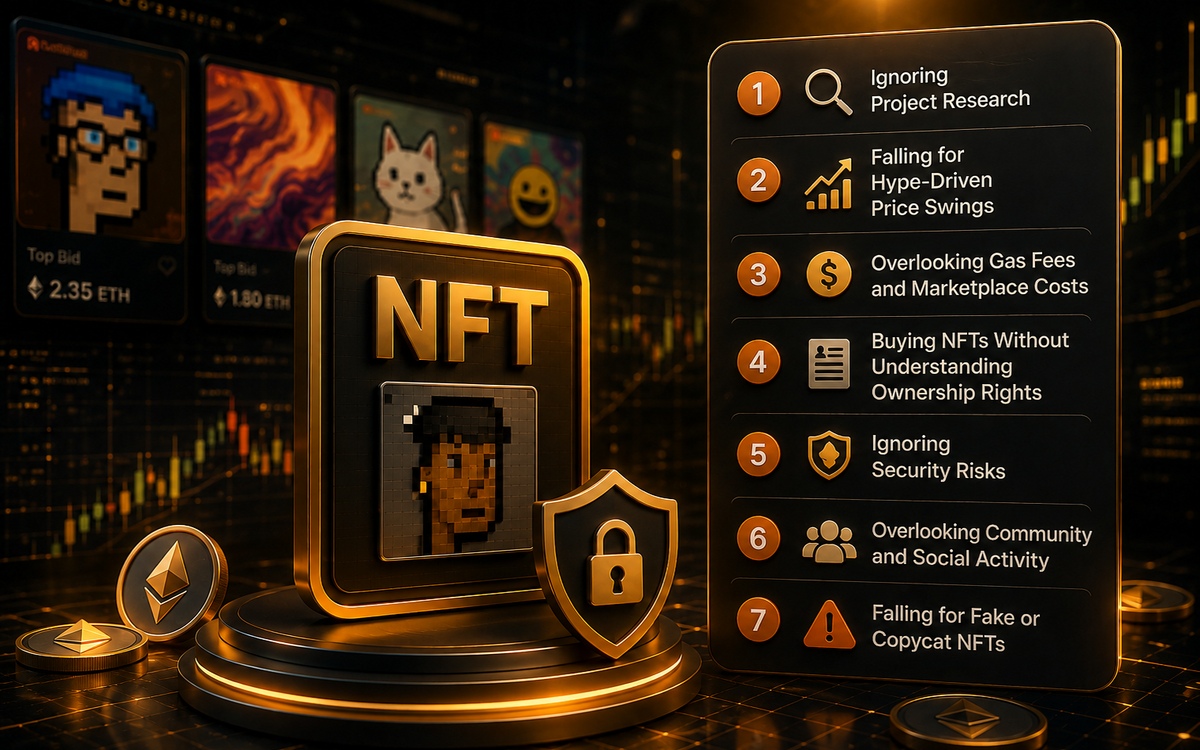
Before committing real money anywhere, check our breakdown of common NFT marketplace mistakes and browse the NFTs section for more platform comparisons as the market keeps evolving.
Frequently Asked Questions
Still deciding where to start? These are the questions that come up most often when people are new to buying or selling NFTs.
What’s the safest way to buy my first NFT?
Start with a small, low-cost purchase on a marketplace with publicly audited smart contracts, such as OpenSea. This lets you learn the wallet connection and checkout flow without risking much money if something goes wrong. Once you’re comfortable, our list of mistakes NFT collectors should avoid in 2026 covers the errors that tend to show up after the first few purchases, before you move on to larger ones.
Do I need a crypto wallet to use these marketplaces?
Yes, every marketplace on this list requires a self-custody wallet, such as MetaMask or Phantom, to connect and sign transactions. The wallet holds your NFTs and the cryptocurrency needed to pay for minting, gas, and purchases. If you haven’t picked one yet, our guide to wallets built for Web3 and NFT collectors breaks down which options fit different marketplaces. None of these platforms let you buy or sell without one.
Which NFT marketplace has the lowest fees?
Blur is generally known for lower trading costs compared to older platforms, though exact fees change based on network conditions and the blockchain used. Always check the fee breakdown on the platform itself before listing, since gas costs on the underlying blockchain are separate from the marketplace’s own cut.
Can I use the same NFT across different marketplaces?
An NFT lives on its underlying blockchain, not inside a specific marketplace, so it can typically be viewed and traded on any platform that supports that chain. An Ethereum NFT bought on OpenSea, for example, can usually be listed on LooksRare or Blur without moving it anywhere. Cross-chain NFTs are the exception and generally can’t move between chains without a bridge.
What happens to my NFTs if a marketplace shuts down?
Since NFTs are recorded on the blockchain itself rather than stored on the marketplace’s servers, your ownership doesn’t disappear if a platform closes. You would still hold the asset in your wallet and could list it elsewhere. What you’d lose is access to that platform’s specific tools, such as its analytics dashboard or launchpad, not the NFT itself.