Key Takeaways
- Solana Labs CEO Anatoly Yakovenko advocates for a “never-stop-iterating” approach, warning that blockchains that stop evolving will eventually “die.”
- This stands in stark contrast to Vitalik Buterin’s “walkaway test,” which envisions Ethereum as a self-sustaining, hands-off protocol.
- Yakovenko suggests that future Solana upgrades could be funded by network fees and developed with the help of AI.
Anatoly Yakovenko Champions Continuous Evolution for Solana
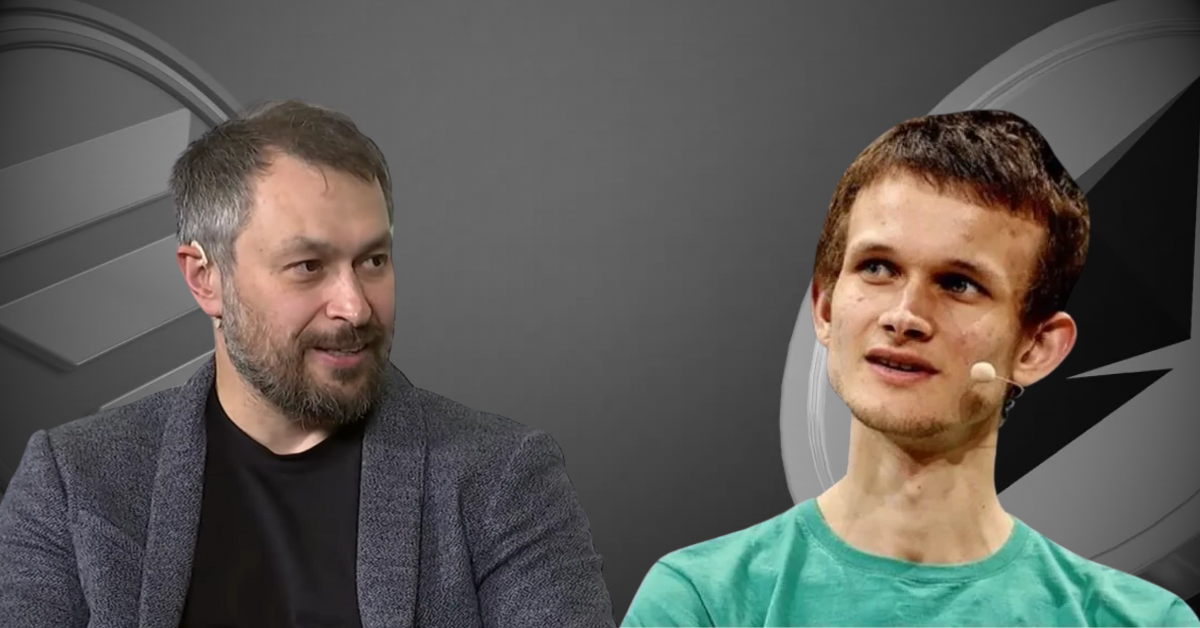
We’re seeing a massive ideological split at the top of the crypto world. Solana’s Anatoly Yakovenko just took a public swing at Vitalik Buterin’s long-term plan for Ethereum, and the stakes couldn’t be higher. Yakovenko’s take? If a blockchain stops moving, it’s dead. Writing on X this January, he made it clear: “Solana needs to never stop iterating.” He’s completely rejecting the idea that a network should ever be “finished.”
This is a total 180 from Buterin’s “walkaway test,” where the goal is for Ethereum to become so stable that it doesn’t need developers at all to keep running for decades. Buterin is betting on stability and self-sovereignty, but Yakovenko thinks that’s just a recipe for getting left behind.
To him, a hands-off approach is a death sentence for innovation. He believes that if you aren’t constantly adapting to what users and devs actually need, a faster, hungrier competitor will eventually eat your lunch.
AI-Assisted Upgrades and the “Walkaway Test”
One of the most provocative elements of Yakovenko’s vision is the role of artificial intelligence in protocol maintenance. He proposed a future where Solana network fees could directly fund AI-assisted development to write, test, and improve the codebase. MoonPay isn’t just playing around with its new stablecoin plans—they’ve gone out and hired the “special forces” of the industry. They’ve snagged Zach Kwartler and Derek Yu straight from Paxos, the same team that basically wrote the playbook on white-label stablecoins. Bringing on people who are used to working in a strictly regulated environment is a huge hint that MoonPay wants to be the “safe” and compliant choice for big businesses.
The timing couldn’t be more intense. Thanks to the GENIUS Act passing in July, the race to build the plumbing for digital dollars is officially on. It’s getting crowded out there; even DeFi platforms like Hyperliquid are being chased by four or five major issuers at once.
MoonPay’s big rival, Fireblocks, is also on a shopping spree, recently buying the wallet provider Dynamic to beef up its services. MoonPay is counting on the fact that they already dominate the “on-ramp” world to give them a head start in this new, high-stakes infrastructure war.
Final Thoughts
It really comes down to a classic crypto identity crisis. The Yakovenko-Buterin debate forced us to ask the big question: Should we be building a finished masterpiece that’s ready for the world today, or are we stuck in a loop of perpetual updates? It’s basically the battle between “done and dusted” versus “the beta that never ends.”
Frequently Asked Questions
What is the “walkaway test”?
It is Vitalik Buterin’s idea that a blockchain should be self-sustainable without developer input for decades.
Why does Yakovenko support continuous iteration?
He believes that if a blockchain stops changing to meet user needs, it will lose relevance and “die.”
How would AI help Solana?
Yakovenko envisions network fees funding AI to autonomously write and improve the Solana codebase.