Key Takeaways
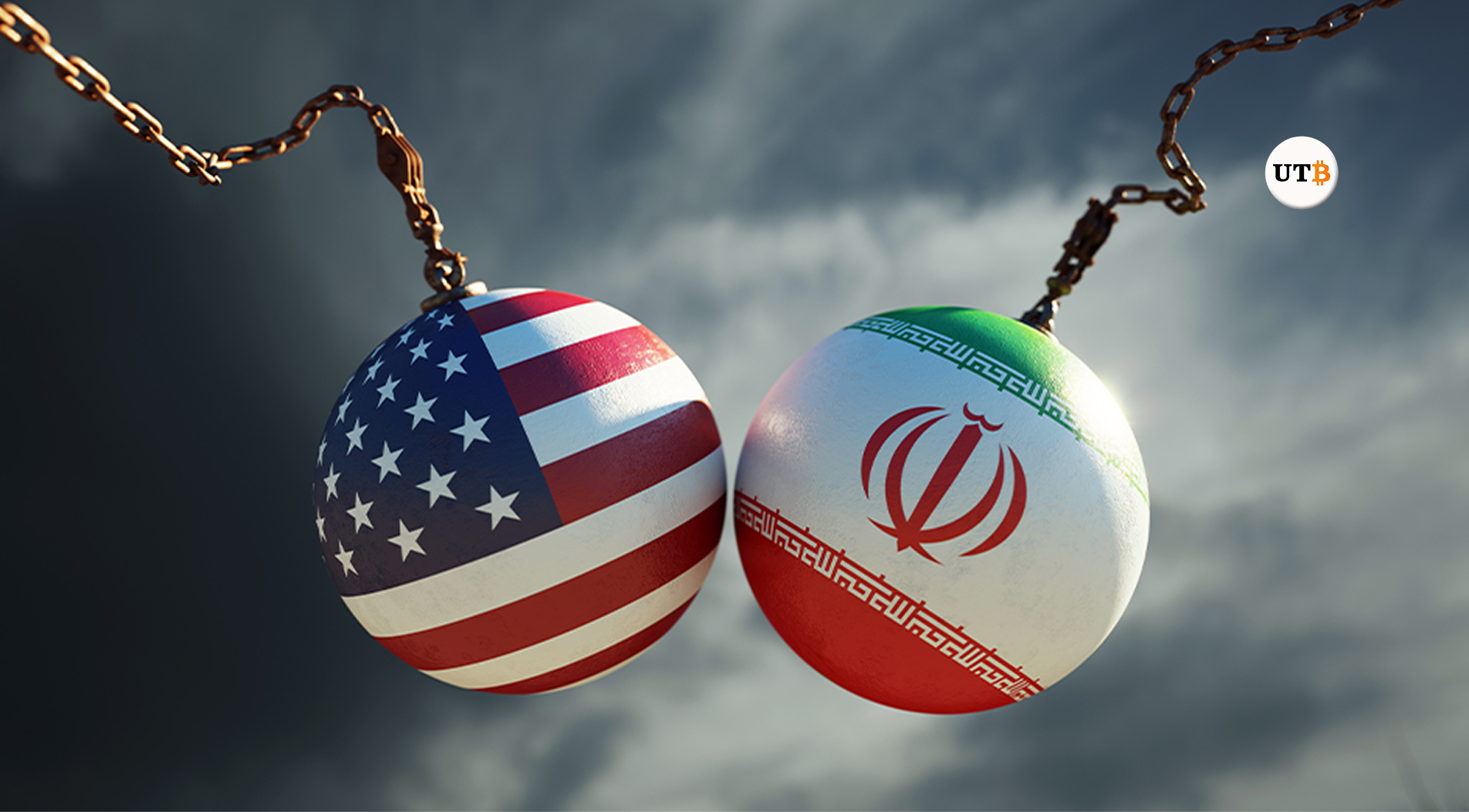
- Donald Trump to announce a peace deal with Iran following weeks of market uncertainties and world economic crisis since the start of the US-Iran war.
- The Strait of Hormuz is open to selected countries, including the US and Israel, while others are banned and must pay toll gate fees before passage.
- $2 million in Yuan is the fee that must be confirmed by the Iranian government before allowing safe passage of Oil tankers through the Strait of Hormuz.
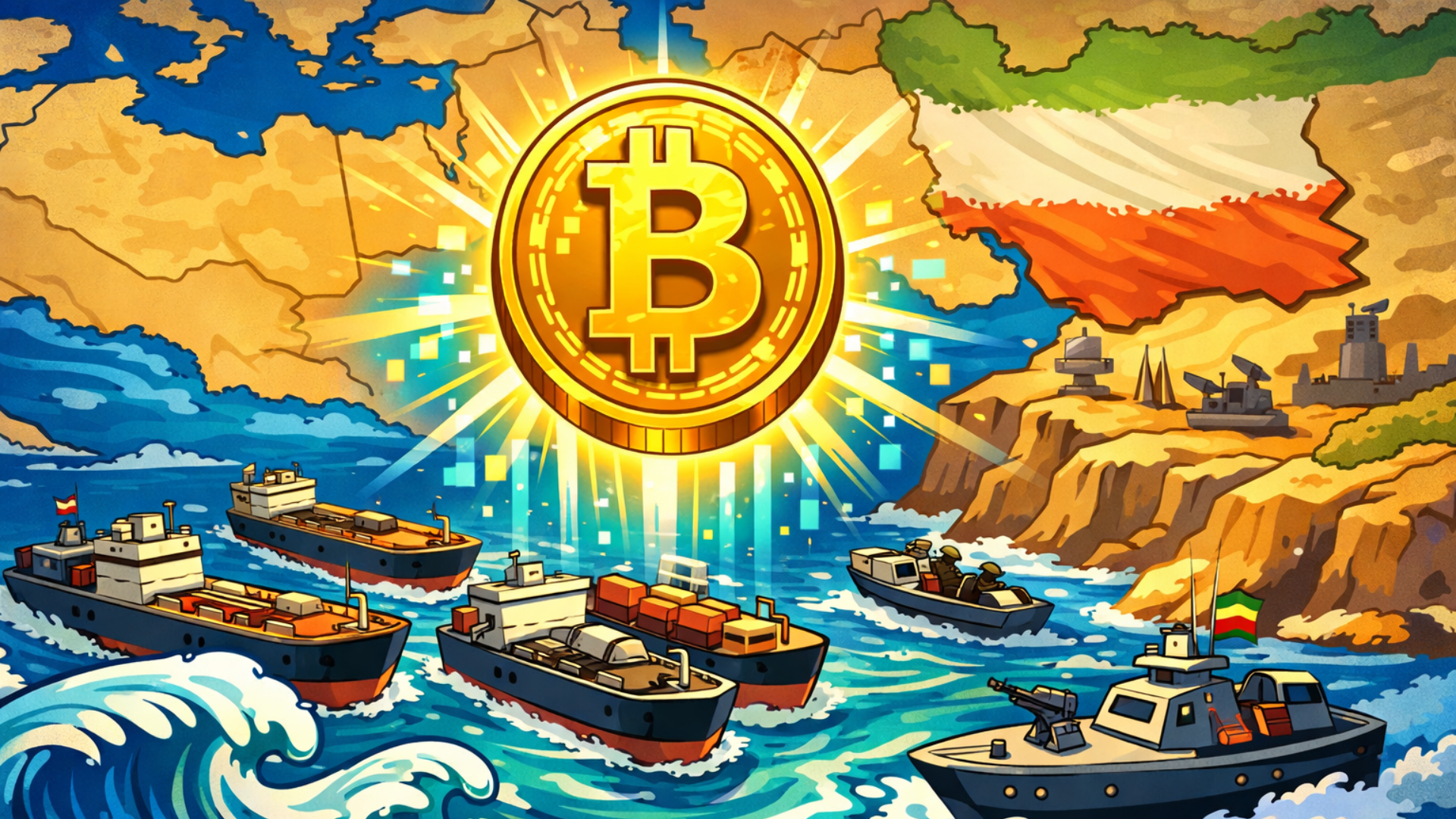
The US-Iran conflict was expected to be resolved, but has taken many twists and turns, with a potential peace deal unlikely anytime soon. This has resulted in Iran taking control of the Strait of Hormuz, limiting global oil supply.
Despite struggles by many countries to stabilize oil prices, scarcity has driven prices higher. However, Iran has agreed to open the Strait of Hormuz to a few countries while also imposing a clause on the passage of Oil tankers through the strait.
The clauses imposed by Iran include the Strait of Hormuz acting as a toll gate, which can only be opened for $2 million per vessel, payable in Yuan.
The Strait of Hormuz is Accessible with $2 Million in Yuan
The Strait of Hormuz is no longer closed or open. It is something the world has never seen before: a permissioned corridor run by the Islamic Revolutionary Guard Corps, priced at $2 million per vessel, payable in yuan. Only selected countries are allowed passage, such as China, India, Pakistan, Turkey, Malaysia, Iraq, Bangladesh, and Sri Lanka.
To gain access through the gates, a vessel operator must obtain approval from the Iranian IRGC after confirming a toll fee of approximately $2 million per tanker in yuan. If the vessel passes, the IRGC issues a clearance code and route instructions. Upon approach, VHF radio hail, AIS verification, patrol boat escort. One ship at a time. Through the narrowest channel of the most important waterway on Earth.
While this applies to everyone else, Iranian crude oil is still flowing with around 1.1 to 1.5 million barrels per day, while a gate fee for other countries looking to pass through the Strait of Hormuz must follow the rules of the game.
The yuan preference is the structural shift that outlasts the war. Every tanker that pays in yuan instead of dollars establishes a precedent. Every precedent weakens the petrodollar architecture that has governed energy trade since 1974. The IRGC is not just blocking a strait. It is building an alternative payment rail under live fire. The $2 million toll in yuan is not a fee. It is a proof-of-concept for a post-dollar energy settlement system, stress-tested under the most extreme conditions imaginable: a three-front war with the world’s largest military.
While this US-Iran war continues, the world remains in a state of uncertainty, leading to financial markets suffering a huge decline in the past few weeks as traders and investors remain optimistic regarding the events surrounding the war.
FAQs
Why is the gold price crashing today?
The price of Gold has seen an over 20% price crash in the last few days, following uncertainties over the US-Iran war, as traders turn to Oil, which has been outperforming the forex market.
Why are gold and bitcoin dropping?
Gold and Bitcoin, despite strong market support, have failed to hold these zones, and the price is at risk of crashing lower in the coming weeks.
Is Gold price expected to rise or drop?
Gold price action is expected to trade lower towards $3,900 in the coming days, as the price failed to defend its $4,500 support following a weak market open.
How does oil affect Bitcoin?
Oil prices do not directly affect Bitcoin prices; however, a scarcity of oil could affect the global energy market, which could also affect Bitcoin mining, allowing demand for the crypto asset to grow as the price gains some momentum to the upside.
How do conflicts in the Middle East affect the oil industry?
The Middle East conflict has led to oil scarcity, with the recent US-Iran war closing the Strait of Hormuz, through which 20% of the world’s oil supply passes, triggering a global spike in oil prices.
Related Read
How Will Bitcoin and Gold React to the US-Iran War?
Bitcoin Crashes to $68k as Iran Threatens to Shut Down the Strait of Hormuz
Donald Trump to Announce Peace Deal – Will Bitcoin Hit $100,000?