Key Takeaways
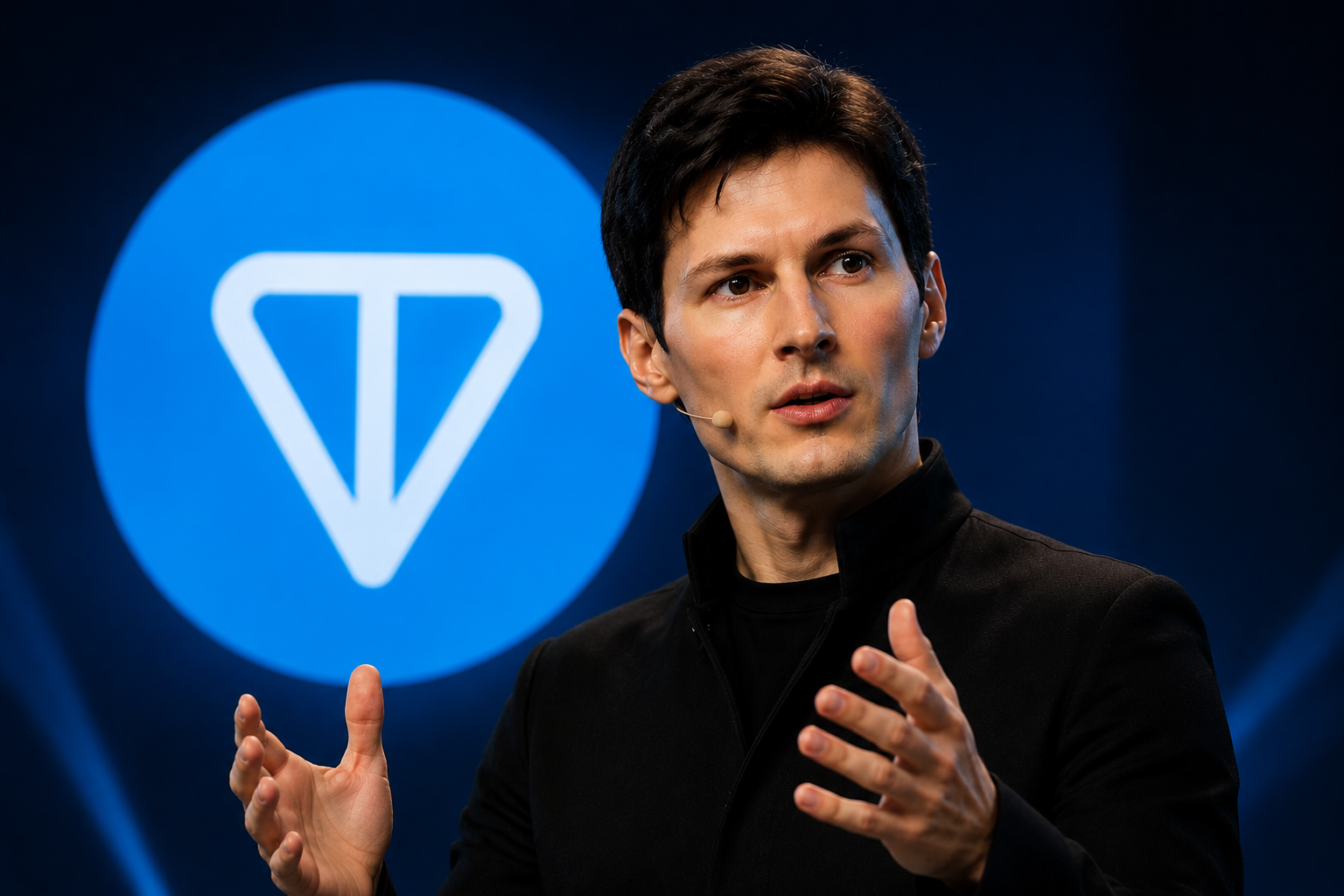
- Pavel Durov says TON’s new AI toolchain could make smart contract development up to 10x faster, aiming to make building on Web3 easier for developers.
- The upgrade adds AI into coding, fixing, and launching contracts, helping developers build faster with less manual work.
- By lowering technical barriers, TON could attract more non-traditional developers, not just experienced blockchain engineers.
Pavel Durov has revealed a major upgrade in the Toncoin ecosystem, claiming that its new AI-ready toolchain can make smart contract development up to 10 times faster. For a long time, building on blockchain has been too complicated for most developers, but TON is now using artificial intelligence to change that. The goal is simple: make Web3 development faster, easier, and open to more people.
The move puts TON ahead of most blockchain platforms that are still figuring out where AI fits in their stack. By cutting down the time and effort it takes to write and deploy smart contracts, TON is directly targeting one of the biggest friction points that slow developers down in Web3. For builders tired of long development cycles, that 10x claim alone is worth paying attention to.
AI-Ready Toolchain Introduces a New Way to Build
The announcement centers on a redesigned toolchain that is made for AI-assisted coding, debugging, and smart contract deployment. This marks a clear shift from the traditional way of building on blockchain, where developers had to manually write, test, and audit every part of a contract, often with little margin for error.
With the new system, AI models are built directly into the workflow. They can help generate, improve, and check code in real time. Instead of spending long hours on repetitive coding tasks, developers can now focus more on design and decision-making while AI handles much of the technical groundwork. This leads to a faster and more efficient development process, moving projects from idea to deployment in much less time.
Claimed 10x Speed Improvement In Smart Contract Creation
Building on the earlier update, Pavel Durov said the new system could make smart contract development “up to 10 times faster” compared to traditional blockchain methods.
The faster speed comes from reducing manual work and adding AI support across the development process.
Key improvements include:
- Auto code generation for common smart contract parts, so developers don’t have to build everything from scratch.
- AI error detection and fixes, helping spot and correct problems while writing code.
- Faster testing with real-time simulation, so contracts can be tested and adjusted right away instead of waiting for long build times.
If this works as expected in real use, it could greatly cut down the time needed to build and launch decentralized apps on TON, making development quicker and easier than before.
Why AI Integration Matters For Blockchain Development
Smart contract development has always been one of the hardest parts of building on blockchain. Even small mistakes in the code can lead to security risks or financial losses, which makes the process slow and requires great care.
By adding AI into the development process, TON is trying to make things simpler and safer by:
- Reducing human coding mistakes, since AI can catch errors early.
- Improving security consistency and making contracts more reliable across projects.
- Lowering the entry barrier for new developers, so more people can build on blockchain without deep technical experience.
This also reflects a bigger trend in the industry, where blockchain platforms are starting to use AI tools to make development faster, easier, and more scalable.
TON’s Strategy: Faster Ecosystem Growth Through Developer Accessibility
The AI toolchain is not just a technical upgrade; it’s also a move to help TON grow its ecosystem by making development easier and faster. With shorter build times, developers can launch apps more quickly, and smaller teams can compete with bigger ones. It also makes it cheaper and easier to test new ideas with less risk.
This could bring more developers into TON, especially those building simple consumer apps linked to messaging and social platforms like Telegram. By removing some of the more complicated parts of smart contracts, the network makes it easier for more people to build and ship products.
Final Thoughts
TON’s latest move with its AI-ready toolchain shows a clear push to change how blockchain apps are built. By aiming to make smart contract development up to 10 times faster, it’s trying to cut down the time, effort, and mistakes that usually slow developers down. If it works as planned, this could make Web3 development much easier and open it up to more builders. It also means faster app launches and more activity across the TON ecosystem. Overall, the focus is clear: to make building on blockchain simpler, quicker, and more accessible for everyone.
Frequently Asked Questions
What did Pavel Durov announce about TON?
Pavel Durov said TON has launched a new AI-ready toolchain that could make smart contract development up to 10 times faster.
What is the main goal of this upgrade?
The goal is to make blockchain development easier, faster, and more accessible for developers of all skill levels.
What makes this different from traditional blockchain development?
Instead of writing and testing everything manually, developers now get AI support throughout the entire process in real time.
Who benefits the most from this upgrade?
Both experienced blockchain developers and beginners benefit, especially smaller teams and new builders entering Web3.