Key Takeaways
- MANTRA (OM), previously known as MANTRA DAO, is a project offering a suite of DeFi solutions.
- The platform offers features like staking, NFTs, and lending opportunities to generate passive income.
- The project aims to bridge traditional finance (TradFi) and DeFi by enabling compliant tokenization of real-world assets (RWAs).
What Is MANTRA (OM)?
MANTRA (OM), previously known as MANTRA DAO, is a vertically integrated blockchain ecosystem launched in 2020. The project positions itself as a DeFi project offering various financial services through its own blockchain.
In March 2026, the OM token was renamed MANTRA, and each OM became four MANTRA tokens. The maximum supply rose from 2.5 billion to 10 billion to match. Events below from before the swap use the old OM name.
How Does MANTRA (OM) Work?
The MANTRA (OM) token is the lifeblood of the MANTRA DAO ecosystem, a DeFi platform focused on staking, lending, and cross-chain capabilities. Here’s a breakdown of how it functions:
Governance
OM holders have voting rights within the MANTRA DAO. They can propose changes, participate in votes, and influence the development of various products across the OMniverse (Mantra’s interconnected ecosystem).
Staking
Like many DeFi platforms, OM can be staked to earn passive income. You can stake directly on the MANTRA web app or through centralized exchanges.
Access And Incentives
Staking OM grants special access to new DAO token issuances and airdrops from partner DAOs. This provides OM holders with the potential to earn additional rewards from emerging projects within the DeFi space.
Earning Interest
The OM token is involved in MANTRA’s money market protocol. By supplying crypto assets, users can earn interest on their holdings, and lenders can passively grow their wealth while providing borrowers with liquidity.
Karma Points
OM is connected to MANTRA’s unique Karma Protocol, a reputation system that rewards positive contributions to the ecosystem. Users with a higher Karma score can benefit from increased staking rewards, reduced fees, and better loan rates.
MANTRA (OM) Token And Tokenomics
OM is MANTRA’s native token, used for governance, staking, Karma points, lending and borrowing, and DAO access.
Tokenomics
The OM token is MANTRA’s native cryptocurrency. It is used for:
- Governance
- Staking
- Karma Points
- Lending & Borrowing
- DAO Access & Airdrops
Token Details
Max Supply: 10,000,000,000 MANTRA
Circulating Supply: about 6.58 billion MANTRA
Price: about $0.0044
Market Capitalization: about $28.8 million
This information is from CoinGecko on October 9, 2026, after the swap from OM to MANTRA, and the token’s price, market value, and available supply may fluctuate.
Distribution
- Public Distribution (8.5%)
- Private Distribution (9%)
- Team & Advisors (17.5%)
- Treasury & Ecosystem (35%)
Important Note: The plan went ahead. OM became the native token of MANTRA Chain when its mainnet launched in October 2024, and the total supply grew to about 1.8 billion OM by April 2025.
Where Can I Buy MANTRA (OM)?
Binance – Binance is a major exchange offering a wide range of cryptocurrencies. It offers multiple ways to buy crypto, including credit cards, debit cards, and peer-to-peer (P2P) trading.
KuCoin – KuCoin is a smaller exchange known for its competitive fees and support for many cryptocurrencies.
BingX – This exchange offers OM and various features, including perpetual contracts and margin trading.
Is MANTRA (OM) A Good Investment?
Pros
- Passive Income – OM token holders can earn rewards by staking and supplying liquidity using Mantra DAO’s money market protocol. Some sources mention returns as high as 35%.
- Governance Rights – OM holders have voting rights within the MANTRA DAO ecosystem, which gives them control over the protocol’s development.
- Cross-Chain Lending – The protocol allows users to borrow and lend crypto assets across blockchains.
Cons
- Competition – The DeFi space is crowded, and MANTRA DAO faces competition from established protocols.
- Dependence On MANTRA DAO – The value of OM tokens is closely tied to the success of the MANTRA DAO platform. If the platform does not succeed, the value of OM could drop.
Mantra (OM) Token Price Collapses By Over 90% In 24 Hours
The Mantra (OM) token crashed over 90% on April 13th, 2025, wiping out billions in market capitalization within hours. The token’s price dropped from around $6.30 to below $0.50, wiping out more than $5.5 billion in market capitalization.
The Mantra team attributed the collapse to “reckless liquidations” on an undisclosed exchange, denying any involvement in dumping tokens. Co-founder John Mullin described it as a “massive forced liquidation,” with the team still investigating the exact cause.
Allegations of market manipulation and supply control by the team surfaced on social media, but no conclusive evidence has been confirmed.
Update (1):
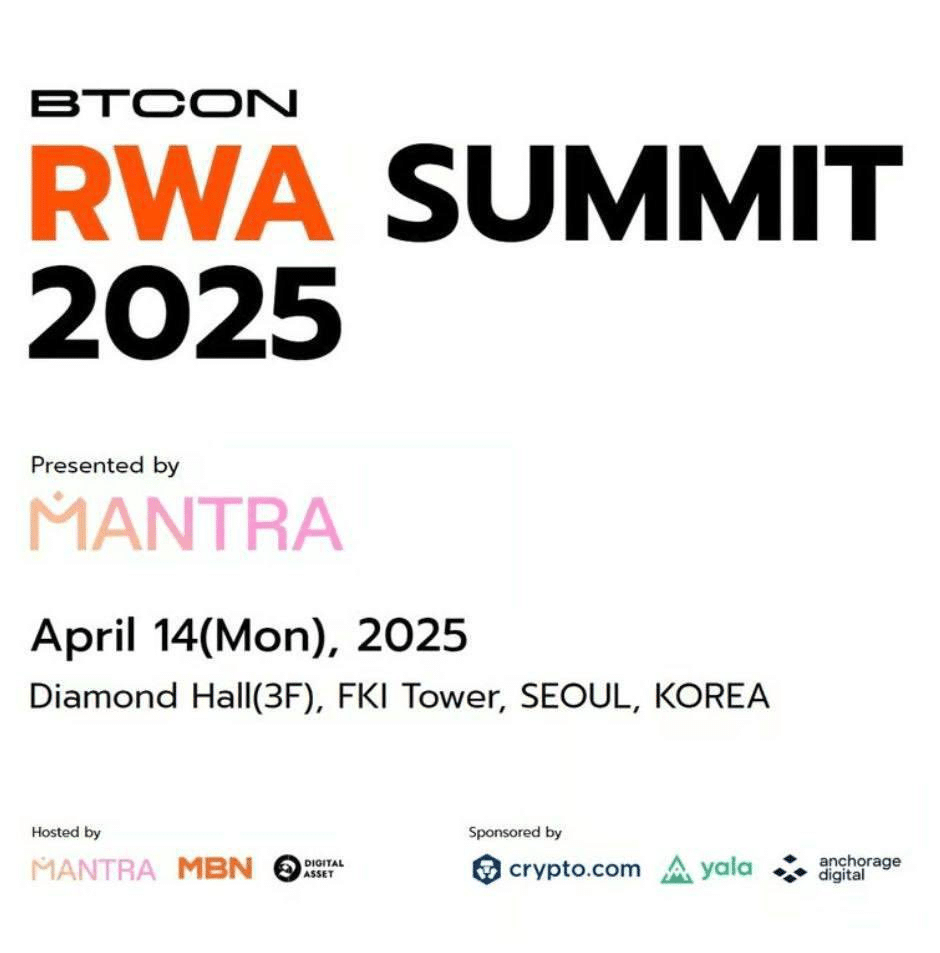
MANTRA CEO JP Mullin addressed the recent sharp decline in the price of $OM during the BTCON RWA Summit held in South Korea. He confirmed that the incident did not result from a security breach or insider/investor sell-off. Instead, the sudden drop was attributed to the liquidation of major wallets that had used $OM as collateral.
Mullin assured attendees that a detailed post-mortem analysis is forthcoming and emphasized that no team members financially benefited from the event.
In response, the team has also canceled a planned side event at ETH Seoul to dedicate their full attention to resolving the matter.
Update (2):
Following a 92% crash in Mantra’s OM token, which wiped out over $5.5 billion in market value, CEO John Patrick Mullin pledged to burn the team’s tokens. On April 21, 2025, MANTRA said Mullin’s own allocation of 150 million OM would be burned and that it was talking to ecosystem partners about burning another 150 million.
The crash, attributed to forced liquidations on centralized exchanges, sparked investor concerns. In response, OM’s price has rebounded by 28%, as the team aims to restore community confidence through increased transparency and supply control.
Update (3): In late August 2026, MANTRA Chain stopped producing blocks after an attacker exploited a flaw in third-party software the chain relies on. MANTRA said no user funds were exploited, and the network has since resumed.
Does OM Suit Your Risk Tolerance?
Whether MANTRA (OM) is a good investment depends on your risk tolerance and goals. Remember, this guide only provides a starting point for your research. Always conduct your due diligence before making any investment decisions.