Key Takeaways:
- Big marketplaces like OpenSea and Magic Eden have audited smart contracts and teams catching fakes all day
- Curated platforms like SuperRare vet every artist before they sell, filtering out most scammers
- Exchange marketplaces like Binance NFT use the same security protecting your crypto trades
Buying NFTs feels risky because it often is. Fake collections pop up daily trying to trick buyers. Some marketplaces barely check what gets listed. Others employ full security teams reviewing every new collection.
The safest platforms share a few things. They’ve survived multiple bear markets and hack attempts. Their smart contracts get audited regularly by professionals. High trading volume means they can afford proper security. But even good platforms can’t protect you from every mistake.
Which Big Marketplaces Actually Protect Buyers?
The major multi-chain marketplaces didn’t get big by accident. They invested heavily in security after learning hard lessons. Their reputation depends on keeping scammers out.
OpenSea runs across 20+ blockchains including Ethereum, Polygon, and Solana. Millions of transactions have tested their smart contracts over years. They built reporting tools where you flag suspicious stuff. Moderators check reports within hours usually.
Blue checkmarks show verified collections. Never buy expensive NFTs without seeing that badge. Scammers love copying popular collections pixel for pixel. The verification badge is your quickest safety check.
The platform supports lazy minting where creators pay nothing upfront. Gas fees only hit when someone buys. This lowers barriers but also means scammers risk less. Still, the verification system catches most fakes before damage happens.
Magic Eden started as the Solana NFT hub and grew from there. They added Bitcoin Ordinals and other chains while keeping tight security. Collections must pass verification before launching. Community members vet new projects too.
Solana transactions cost fractions of a penny versus Ethereum’s sometimes crazy gas fees. Lower costs don’t mean worse security though. Magic Eden integrates with wallets like Backpack that show you what a transaction does before you sign. No surprises.
Rarible does community governance where token holders vote on changes. This includes security decisions. Real users vet updates instead of just trusting a company. The platform covers Ethereum, Flow, and Tezos with enforced royalties.
Anyone can flag sketchy items through the interface. The community reviews flags and removes confirmed scams. Crowdsourced moderation sometimes catches problems faster than centralized teams. Everything happens publicly so you see how decisions get made.
How Do Invite-Only Platforms Stop Scams?
Curated marketplaces make artists apply and prove themselves first. This filtering kills most scams before they start. You get less variety and higher prices. But fake collections are super rare.
SuperRare only accepts single-edition digital art. Every piece is one of one, so no duplicate scams. Artists apply through a tough process. Approval rates sit below 2% of applications.
This exclusivity builds trust for serious collectors. You won’t find cheap profile pics here. Most pieces start at several hundred bucks minimum. High barriers keep scammers away since they want quick flips on mass-produced junk.
Foundation uses invites where existing artists vouch for new ones. This creates accountability through reputation. Artists won’t risk their standing by inviting bad actors. The platform hosted several viral sales that hit mainstream news.
Collections launch with built-in credibility from the invite chain. You know someone trusted vouched for the creator. Foundation works great for emerging artists breaking into established circles.
Nifty Gateway comes from Gemini, the Winklevoss twins’ exchange. They use banking-grade security protocols. The platform is custodial, meaning they hold your NFTs. No seed phrases or hardware wallets to manage.
Custodial storage works well for beginners who find wallet management confusing. The platform handles everything like a normal exchange. Downside is you can’t use these NFTs in games or other apps without withdrawing first. For wallet basics, check our guide on understanding wallet security.
What About NFT Marketplaces Run by Exchanges?
Major crypto exchanges now run their own NFT sections. These use the same security infrastructure protecting regular crypto trading. If you already trust an exchange with your Bitcoin, their NFT marketplace gets that same protection.
Binance NFT charges just 1% commission, way lower than competitors. The marketplace taps into Binance’s huge security budget. Two-factor authentication, withdrawal whitelists, and anti-phishing codes work identically to regular trading.
Everything integrates smoothly. Deposit money once, use it for both crypto and NFTs. Security settings apply across the board. Already verified on Binance? The NFT section works immediately.
OKX NFT acts as an aggregator pulling listings from OpenSea, Magic Eden, and others. You search once but see results everywhere. The OKX exchange backs this with their audited infrastructure. Transactions go through OKX’s tested smart contracts.
Aggregation lets you compare prices across platforms instantly. Find the cheapest listing without opening five tabs. The OKX wallet plugs right in for smooth buying. One interface, consistent security standards throughout. For managing different assets, see our guide to top cryptocurrency wallets.
How Do You Actually Stay Safe Buying NFTs?
Platform security only covers so much. Most people lose NFTs through their own mistakes, not platform hacks. Simple habits prevent nearly every common scam.
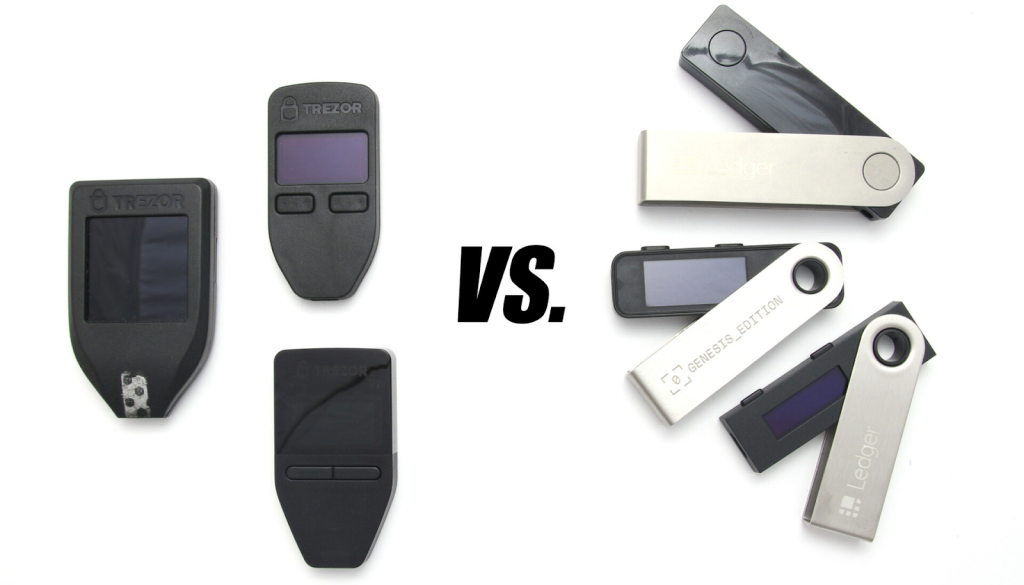
Hardware wallets like Ledger or Trezor protect valuable NFTs best. These physical devices keep private keys offline where hackers can’t reach. You only plug them in when making transactions.
Hot wallets like MetaMask work fine for cheaper NFTs you trade often. But anything worth over $1,000 belongs on cold storage. The $60-150 device cost pays for itself fast. For more options, check our article on top NFC crypto hardware wallets.
Verification badges separate real collections from knockoffs. OpenSea shows blue checkmarks next to legit creators. Magic Eden has similar badges. Never drop serious money without checking verification first. Scammers copy entire collections hoping you won’t notice.
Floor prices signal legitimacy too. Every listing shows 2 ETH but one says 0.2 ETH? Probably fake. Scammers price low hoping you’ll impulse buy without checking. Always review recent sales on trusted marketplaces first.
URL checking stops most phishing attacks. Scammers build fake sites that look identical to real marketplaces. They change one letter in the domain. Always type URLs manually or use bookmarks. Never click links from random Discord or Twitter messages.
Transaction simulation shows what leaves your wallet before you approve. Wallets like Backpack display exactly which NFTs or tokens move. This catches malicious contracts trying to drain everything. Simple NFT purchases shouldn’t ask for access to all your assets.
Here are the key safety moves when buying NFTs:
- Check the blue verification badge on expensive purchases
- Compare floor prices across multiple listings
- Type marketplace URLs directly instead of clicking links
- Review what a transaction does before signing
- Store valuable NFTs on hardware wallets
- Verify contract addresses match official project sources
Contract addresses should match what the project posts officially. Check verified Twitter or Discord for correct contracts. Scammers deploy fake contracts for hot projects. Buying from wrong contracts gets you worthless copies.
Do Cheap Fees Mean Sketchy Security?
Transaction costs don’t really connect to security quality. Solana charges pennies but Magic Eden runs as securely as Ethereum marketplaces. The blockchain’s efficiency creates low costs, not security corners.
Platform commissions range from 1-2.5% across major sites. Binance NFT takes 1% while OpenSea grabs 2.5%. These fees fund operations including security teams. Lower cuts might mean fewer resources but don’t automatically mean worse protection.
Ethereum gas fees can spike to $50-100 when the network gets busy. These go to validators, not the marketplace. High gas just means network congestion. You pay the same whether buying on OpenSea or some random sketchy platform.
Layer 2 options like Polygon drop gas fees to almost nothing. OpenSea supports Polygon with identical security to Ethereum. Audited contracts and verified collections work the same. You just pay cents instead of dollars per transaction.