Key Takeaways:
- You can track my crypto remittance transaction instantly using blockchain explorers that show confirmation status within seconds of sending
- Transaction IDs from your wallet or exchange provide direct links to track transfers across networks like Ethereum, TRON, and Polygon
- Most crypto transfers complete in 1-15 minutes with visible confirmations, compared to 3-5 days for traditional bank transfers
Tracking your money transfer shouldn’t feel like throwing cash into a black hole. Traditional bank transfers leave you guessing for days about whether your money arrived safely. Wire services might send email updates, but you’re still waiting blindly for confirmation.
Crypto remittances flip this completely on its head with real-time tracking. You can watch your transaction move across the blockchain second by second. Every confirmation appears live as network nodes verify your transfer.
Blockchain technology creates permanent public records of every transaction. This transparency means anyone can verify transfer status using free tools. Your family knows exactly when money arrives without calling the bank or checking email.
How Do Blockchain Explorers Let You Track Transactions?
Blockchain explorers work like search engines specifically built for cryptocurrency transactions. They pull data directly from blockchain networks and display it in readable formats. You simply paste your transaction ID into the search box.
Each blockchain network has its own set of popular explorer tools. Etherscan serves Ethereum transactions while Tronscan handles TRON network activity. These platforms update in real time as new blocks get added to the chain.
The explorer shows you several pieces of vital information immediately. Transaction status tells you if it’s pending, confirmed, or failed completely. Block confirmations indicate how many times the network verified your transfer. More confirmations mean higher security and finality for your transaction.
Here’s what you can see when tracking any crypto remittance:
- Exact timestamp showing when you initiated the transaction
- Sending and receiving wallet addresses for full transparency
- Transaction amount in both crypto and dollar values
- Network fees paid to process the transfer
- Current confirmation count and estimated completion time
Binance and Coinbase both provide transaction IDs automatically after you send funds. Copy this ID and paste it into the appropriate blockchain explorer. Results appear instantly with full details about your transfer’s progress.
What Information Does a Transaction ID Reveal?
Transaction IDs serve as unique fingerprints for every crypto transfer you make. These long strings of letters and numbers identify your specific transaction among millions. No two transactions ever share the same ID across the entire blockchain.
Your wallet or exchange generates this ID the moment you confirm a send. The ID gets broadcast to the network along with your transaction details. Anyone with this ID can look up your transaction publicly on explorers.
Privacy concerns arise because blockchain data stays public forever. The transaction ID reveals wallet addresses but not personal names or details. Smart users create new wallet addresses for each major transaction to maintain privacy.
Transaction speed varies dramatically based on which network you choose for transfers. TRON processes USDT transactions in 1-3 minutes with clear confirmation tracking. Ethereum might take 2-15 minutes depending on network congestion at that moment. Bitcoin averages 10-60 minutes for full confirmation across the network.
Which Blockchain Explorers Work Best for Remittances?
Different cryptocurrencies require different explorer tools for accurate tracking. Using the wrong explorer won’t show your transaction at all. Matching the correct explorer to your chosen network prevents confusion.
Etherscan dominates Ethereum-based transactions including ERC-20 USDT and USDC transfers. The interface displays gas fees, confirmation times, and detailed transaction histories. You can track stablecoin remittances easily through their clean layout and mobile-friendly design.
Tronscan handles all TRON network activity including the popular TRC-20 USDT. TRON’s faster block times mean you see confirmations every three seconds. This rapid updating makes tracking feel almost instant compared to other networks.
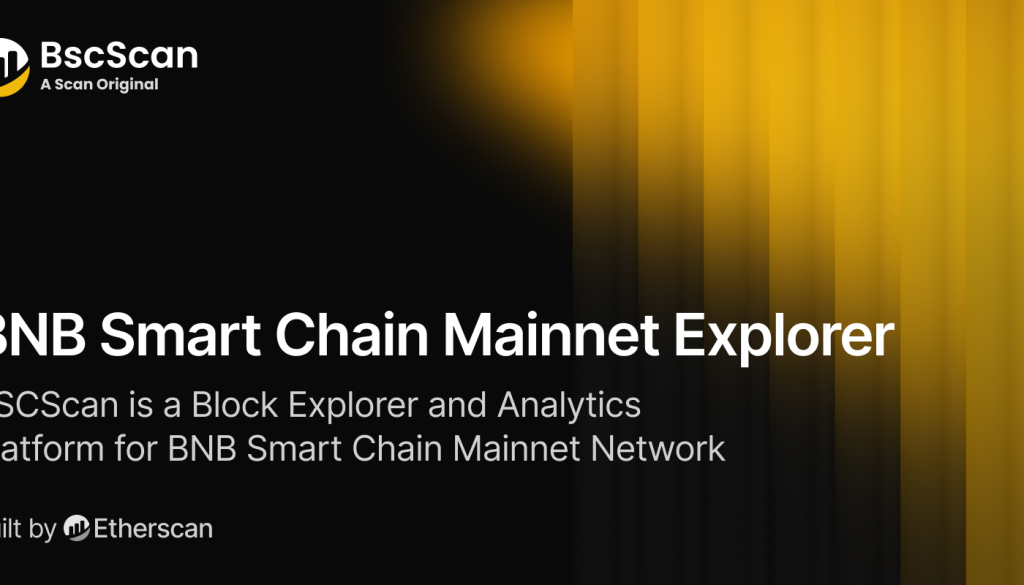
BscScan serves Binance Smart Chain transactions with similar features to Etherscan. Polygon uses PolygonScan for tracking their ultra-low-fee USDC transfers. Bitcoin requires blockchain.com or blockchair.com for BTC transaction monitoring.
Most major crypto wallets now include built-in tracking features saving you time. Trust Wallet shows pending transactions right in the app interface. MetaMask provides direct links to Etherscan for every transaction you make.
How Many Confirmations Mean Your Transfer Completed?
Network confirmations represent independent verifications of your transaction by blockchain nodes. Each new block added to the chain counts as one additional confirmation. More confirmations equal higher certainty that your transaction won’t reverse.
Different networks require different confirmation counts for practical finality. TRON considers transactions final after just one confirmation typically. Ethereum usually needs 12-15 confirmations before exchanges credit your deposit fully. Bitcoin commonly requires 3-6 confirmations depending on the receiving platform’s policies.
Your recipient can spend the funds once their platform confirms the deposit. Exchanges might wait for multiple confirmations before showing available balances. Self-custodial wallets often allow spending after just one confirmation appears.
The confirmation process rarely takes more than 15 minutes for popular networks. TRON wraps up in under 3 minutes for most transfers sent. Polygon finishes in 30 seconds to 2 minutes consistently. Even congested Ethereum usually completes within 15 minutes during normal conditions.
What Happens If Your Transaction Gets Stuck?
Stuck transactions occur when network fees are set too low for current conditions. Miners prioritize transactions offering higher fees during busy periods. Your transfer sits in the mempool waiting for processing indefinitely.
Low fee transactions might eventually drop from the mempool after days. The funds return to your wallet automatically when this happens. You can then resend with appropriate fees for faster processing.
Some wallets allow fee bumping to speed up pending transactions. You essentially pay extra to miners for prioritizing your stuck transfer. This feature works on Bitcoin and Ethereum but not all networks support it.
Transaction failures happen occasionally due to smart contract errors or insufficient gas. Failed transactions still appear on blockchain explorers with failure status clearly marked. Your funds typically return to your wallet minus the attempted transaction fee.
Always verify the recipient’s wallet address supports your chosen network before sending. Sending USDT on TRON to an Ethereum-only address causes permanent loss. The transaction completes successfully but funds arrive at an incompatible address.
Can You Get Notifications About Transaction Status?
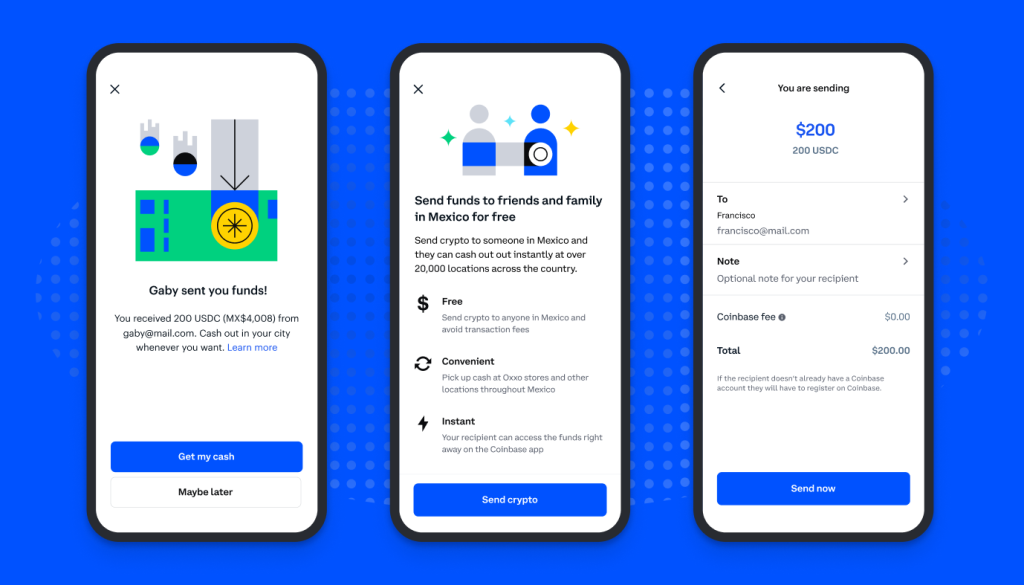
Most modern crypto platforms send automatic notifications as transactions process. Coinbase emails you when deposits and withdrawals complete successfully. Mobile apps push notifications directly to your phone in real time.
Blockchain explorers offer watch addresses that monitor specific wallets continuously. You receive alerts whenever that address sends or receives any funds. This feature helps track regular remittance addresses without manual checking.
Some third-party services specialize in transaction monitoring and alerts. BlockCypher and Blocknative both offer notification APIs for developers. Regular users can set up email or SMS alerts through their interfaces.
Wallet apps increasingly include built-in notification systems for all transactions. You get instant alerts when funds leave your wallet or arrive at it. This real-time awareness beats traditional banking’s delayed email confirmations by miles.
Real-time tracking gives you complete visibility into every crypto remittance you send. Blockchain explorers show exactly where your money sits at any moment. Your family can verify receipt instantly instead of waiting days for bank confirmations.