Key Takeaways
- Approach NFTs strategically by verifying projects, reviewing details, and planning purchases to make informed choices and manage potential risks.
- Avoid buying NFTs just because they are trending or celebrity-backed; focus on projects with real utility and strong community support.
- Research every project before buying, including the creator’s background, team reputation, and community activity to avoid scams and poor investments.
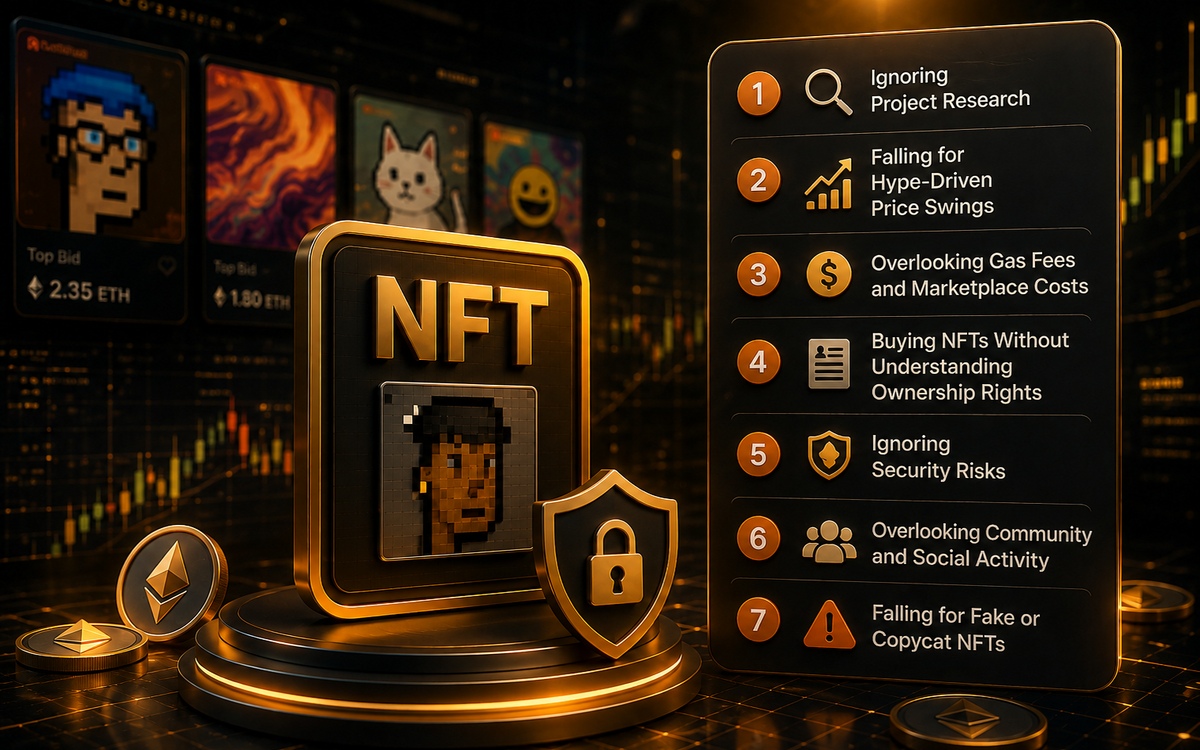
The NFT world is bigger than ever in 2026, full of exciting art, collectibles, and digital experiences. For collectors and investors, it can feel like stepping into a treasure trove, where every click could lead to something amazing or a costly mistake. With so many new projects, communities, and marketplaces popping up, it is easy to get swept up in hype or fall for scams.
Even seasoned collectors can slip up if they are not careful. From overpriced drops to sketchy creators, there are plenty of traps that can cost you time, money, and peace of mind. This article breaks down 11 common pitfalls every NFT collector should watch out for this year, along with smart tips to stay safe and make the most of the opportunities the space offers.
1. Chasing Hype-Only NFTs
Trending collections, celebrity-backed drops, or viral projects can be very tempting, especially when social media and NFT marketplaces are buzzing. However, hype does not guarantee long-term value. Many of these NFTs experience rapid price spikes followed by steep declines, leaving late buyers with assets that are hard to sell and may lose most of their worth.
Relying solely on popularity can also expose you to pump-and-dump schemes or low-quality projects with little substance. Focus on NFTs that offer real utility, such as access to exclusive content, membership perks, or integration with games and platforms.
Look for a clear roadmap that shows long-term vision, a transparent development team, and an active, engaged community. Projects with tangible value and strong foundations are far more likely to hold their worth over time than hype-driven drops.
2. Skipping Research
One of the most common mistakes in the NFT space is buying without doing proper research. Many NFTs come from unknown creators, unverified projects, or anonymous teams, which increases the risk of scams, plagiarized art, or abandoned projects. Even well-marketed collections can have hidden issues, such as unclear ownership rights or poor development plans, that only become apparent after purchase.
Before buying, investigate the creator’s background, their past projects, and the team’s overall reputation. Check community feedback, social media activity, and engagement levels. Using a reliable research tool can help analyze transaction history, project activity, and community engagement, making it easier to identify safer, more transparent NFT projects.
Verified teams and active communities are generally safer, and understanding a project’s roadmap and long-term goals helps you make informed decisions rather than reacting to hype.
3. Falling for Scams
Scams are widespread in the NFT space, ranging from fake collections and phishing websites to impersonated marketplaces. A single mistake, such as clicking a malicious link or connecting your wallet to an unverified platform, can result in the permanent loss of your funds or NFTs. Even experienced collectors can be targeted, as scammers often mimic legitimate projects or create sophisticated schemes to trick users.
Always double-check URLs, social media accounts, and official contract addresses before interacting with a project. Stick to trusted marketplaces and platforms for minting, buying, or selling NFTs. Being vigilant and verifying every step can prevent costly mistakes and protect your digital assets.
4. Overspending
NFTs are highly volatile digital assets, and prices can swing dramatically within hours or days. Investing more than you can afford to lose is a major risk, particularly when buying new, untested, or hype-driven collections. Overcommitting funds can lead to financial stress and poor decision-making, especially if the market suddenly drops or a project fails to deliver on its promises.
Treat NFTs like alternative investments rather than guaranteed profits. Only allocate funds you are comfortable risking, and consider spreading your investments across multiple projects to reduce exposure. Staying disciplined with spending and maintaining a clear budget can help protect both your finances and your peace of mind in the unpredictable NFT market.
5. Ignoring Metadata and Smart Contracts
Not all NFTs are straightforward. Many contain hidden conditions, flawed smart contracts, or unexpected restrictions that can affect ownership rights, royalties, or the NFT’s use. Ignoring these details can lead to unpleasant surprises, such as losing control over your NFT, missing out on royalties, or being unable to access promised features. Even well-known collections can have technical quirks that are easy to overlook if you don’t pay attention.
Before purchasing, carefully review the NFT’s metadata, utility, and any information about the underlying smart contract. Look for contract audits, transparency reports, or documentation provided by the project. Understanding how the NFT works on a technical level helps you avoid issues and ensures that the asset aligns with your expectations and intended use.
6. Buying Without a Wallet Strategy
Many NFT collectors make the mistake of purchasing assets without a clear plan for securely storing them. Keeping NFTs on exchanges may seem convenient, but it exposes you to hacks, platform outages, or account restrictions that could result in permanent loss of your assets.
Poor wallet management is a common reason collectors lose access to their NFTs, especially when they overlook backup procedures or fail to protect their private keys. To safeguard your NFTs, use secure wallets such as hardware wallets or trusted software wallets that give you full control of your assets.
Always back up your private keys and seed phrases in a safe, offline location, and never share them with anyone. A solid wallet strategy not only protects your investments but also ensures you retain complete ownership and control over your digital collection.
7. Blindly Following Influencers
Social media influencers and NFT hype can be persuasive, but following their recommendations without critical thinking is risky. An NFT that works for one collector may not fit your goals, risk tolerance, or long-term strategy. Some influencers are paid to promote projects or may have conflicts of interest, and blindly trusting them can lead to buying overvalued assets or falling for short-lived trends.
Make your NFT choices based on thorough research, your personal goals, and an understanding of the project rather than fear of missing out or flashy endorsements. By evaluating projects independently, you reduce the risk of impulsive purchases and increase the chances of investing in assets that have genuine value and long-term potential.
8. Ignoring Liquidity
Not all NFTs are easy to sell. If a project has a small or inactive buyer market, you could find yourself holding an asset that is difficult to liquidate, potentially tying up your investment for months or even years. Illiquid NFTs make it challenging to react to market changes or capitalize on other opportunities, and they can result in losses if you are forced to sell at a steep discount.
Before buying, research the project’s floor prices, trading volume, and overall activity in its marketplace. NFTs from projects with active communities and consistent transactions are generally easier to sell, giving you flexibility and control over your investment. Understanding liquidity helps ensure you can exit or trade your NFTs when needed without unnecessary risk.
9. Forgetting Gas and Transaction Fees
Blockchain fees, often called gas fees, can substantially impact your NFT investments. Networks like Ethereum can experience extremely high fees during periods of heavy activity, which can eat into your profits or make small trades uneconomical.
Many collectors overlook these costs when planning to mint, buy, sell, or transfer NFTs, only realizing too late that fees have reduced their potential gains. Always account for gas or transaction costs before engaging in any NFT activity.
Consider using Layer-2 solutions or lower-fee blockchains when possible, and monitor network congestion to avoid paying unnecessarily high fees. Understanding and planning for these costs ensures your investment strategy remains profitable and prevents unexpected losses.
10. Overlooking Exit Plans
A common mistake among NFT collectors is buying assets without considering when or how they will sell. Without a clear exit strategy, you may make rushed decisions during market downturns, miss opportunities to maximize profits, or hold onto assets longer than intended. Planning ahead helps you manage volatility and maintain control over your investments.
Establish goals for holding periods, target selling points, and expected profits before making a purchase. By defining your exit strategy in advance, you reduce the risk of emotional decision-making, protect your investment, and improve your ability to respond strategically to market changes.
11. Not Staying Updated on Project Changes
NFT projects can evolve quickly after launch, including updates to roadmaps, utility, team structure, or community direction. Many collectors make the mistake of holding NFTs without tracking these changes, which can lead to missed warnings or unexpected shifts that affect value and usability.
Failing to stay informed may also cause you to miss key updates like airdrops, contract changes, or governance decisions. Regularly checking official announcements and community channels helps you react early to risks and take advantage of new opportunities.
Building a Safer NFT Collecting Strategy
The NFT space in 2026 offers incredible opportunities, but it also requires careful planning, research, and discipline. From chasing hype to ignoring smart contracts or skipping exit strategies, even experienced collectors can make costly mistakes. By verifying projects, managing wallets securely, factoring in fees, and focusing on long-term value, you can protect your investments and make more informed decisions. Success in NFTs comes from building a thoughtful strategy, participating in projects with real utility, and staying aware of risks to minimize surprises and losses in this dynamic digital landscape.
You Might Also Like:
- Top 5 NFT Business Ideas You Can Start In 2026
- How To Identify Valuable NFT Projects?
- What Are the Safest Marketplaces for Buying NFTs Using Crypto?