Key Takeaways
- Generative Art NFTs are digital artworks made using code, where artists set rules and the system creates unique pieces with a mix of logic and randomness.
- Unlike traditional digital art made by hand, generative art uses code to produce many variations while maintaining a consistent style across the entire collection.
- Generative Art NFTs are popular because they can create thousands of unique pieces, prove ownership, and use rarity to make certain NFTs more valuable and special.
Generative Art NFTs are becoming more relevant today as digital creativity and blockchain ownership continue to grow side by side. Instead of an artist drawing every detail by hand, they design rules, parameters, or scripts that generate artwork automatically. A layer of randomness is often added so each piece can take a slightly different form, even when it comes from the same system.
This changes creativity from manually creating the artwork to setting up the rules and code that generate it. The result is simple but powerful: every output is unique, even within a single collection or set of instructions. As NFTs continue to evolve, generative art stands out as a clear example of how code, creativity, and ownership can merge into a new form of digital expression.
In this article, we explore how Generative Art NFTs work and why they are reshaping the future of digital creativity and ownership.
Understanding Generative Art NFTs
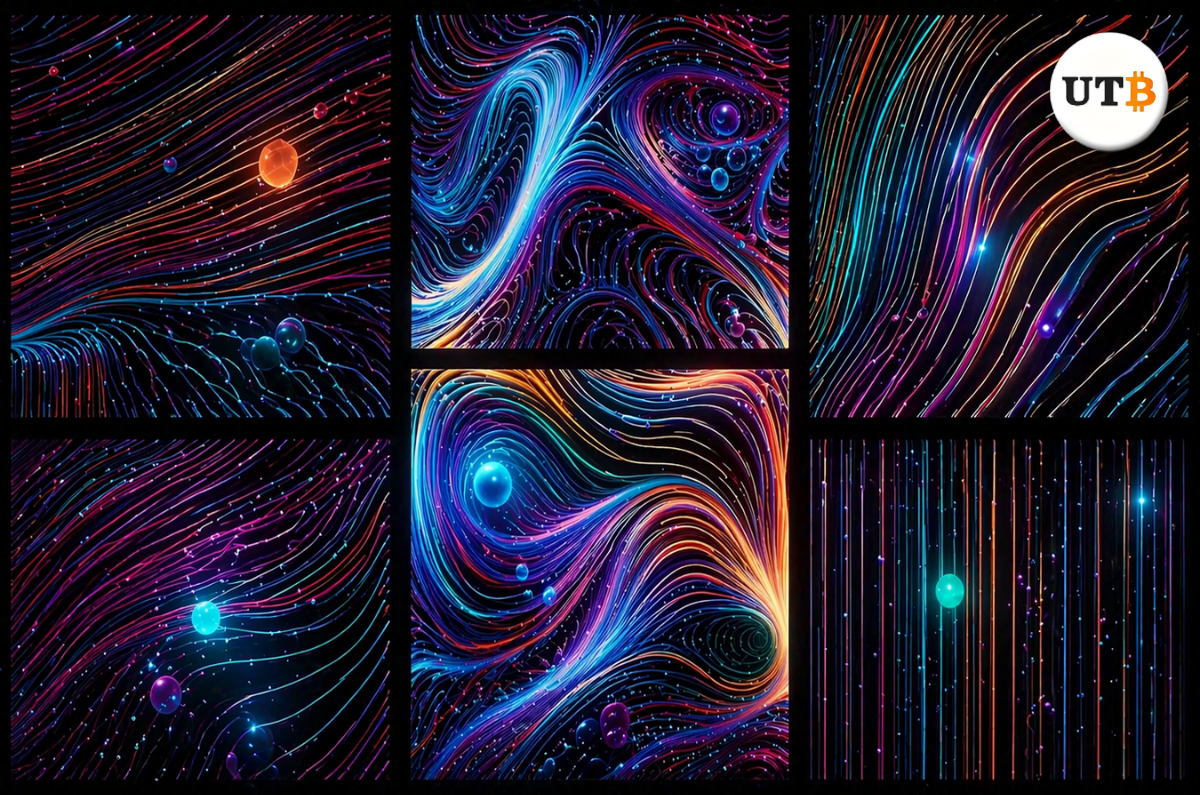
Generative Art NFTs are non-fungible tokens connected to digital artworks created through generative systems. These systems use code to define elements such as shapes, colors, patterns, and visual behavior. Instead of producing a single fixed artwork, the system generates multiple variations based on the rules set by the artist, often resulting in unexpected and visually distinct outputs.
The core idea is that the artist builds the framework, while the algorithm produces the final piece. Even when generated from the same system, each artwork is different due to variation in the process. This makes generative art especially suited for NFT collections, where uniqueness, rarity, and individuality are key factors in value and appeal.
What Makes it Different from Traditional Digital Art?
Traditional digital art is usually created directly by the artist using tools such as drawing software or 3D software. Every detail is intentionally placed and adjusted, so the artist has full control over how the final artwork looks from start to finish.
Generative art works a bit differently. Instead of creating each piece one by one, the artist builds a system by writing code or setting rules. That system then creates the artwork. This means it can produce many different variations from the same setup, and the final results can sometimes be unexpected.
Even so, the pieces still share a consistent style, which is why generative NFT collections can include thousands of unique artworks while keeping a unified look and feel.
How Generative Art NFTs Work
Generative Art NFTs are made using code that follows rules set by an artist, creating unique artworks from the same system each time.
1. The Algorithm or Code
The foundation of the process is the algorithm, built using programming languages like JavaScript or Python. This code defines the visual building blocks of the artwork, including shapes, patterns, color schemes, how different elements combine, and where variation is introduced.
It also sets the conditions for randomness, which ensures that each output is slightly different. In this setup, the code functions as the engine that drives the entire creative process, determining how each artwork takes shape from the same underlying system.
2. Trait Generation
Each NFT in a generative collection is built from multiple traits, which are the individual visual components that make up the final artwork. These can include background designs, character features, accessories, colors, patterns, or textures, depending on how the system is designed.
The algorithm selects and combines these traits based on rules defined by the artist. While the selection involves variation and controlled randomness, it still follows a structured framework. This balance ensures that every NFT looks unique, but all pieces remain visually consistent as part of the same collection.
3. Minting on the Blockchain
Once the artwork is created, it is “minted” as a non-fungible token (NFT) on a blockchain. Minting is the process of turning generated artwork into a verifiable digital asset with clear ownership and identity.
During minting, several important things happen:
- A unique token ID is assigned to the artwork, making it one of a kind on the blockchain.
- Ownership is permanently recorded, showing who owns the NFT at any point in time.
- Metadata is attached or linked, including details such as traits, rarity, and the associated image.
After minting, the NFT becomes a tradable asset that can be bought, sold, or transferred across marketplaces, with all ownership records securely stored on the blockchain.
Role of Smart Contracts
Smart contracts play a key role in generative NFT projects because they automate and secure the entire creation process. They act as self-executing programs on the blockchain that follow fixed rules without needing intermediaries.
In generative NFT systems, smart contracts typically:
- Control the minting process, deciding how and when NFTs are created.
- Handle or verify randomness to ensure trait selection is fair and transparent.
- Store the core rules that define how traits are combined into final artworks.
- Help prevent duplication, tampering, or unauthorized changes to the collection.
These contracts are deployed on blockchain networks like Ethereum, Polygon, or Solana, allowing the entire system to remain decentralized, verifiable, and resistant to manipulation.
Why Generative Art NFTs are Popular
Generative Art NFTs have gained strong popularity because they combine creativity, technology, and scarcity in a way that traditional digital art cannot easily replicate.
A. Uniqueness at Scale
A single generative system can produce thousands, or even tens of thousands, of distinct artworks. Each piece is created from the same framework but ends up different, making large-scale collections possible without losing individuality.
B. Verifiable Ownership
Because they are recorded on the blockchain, each NFT has clear and verifiable ownership. This makes it easy to prove authenticity, track history, and confirm that no two tokens are identical or duplicated.
C. Rarity Systems
Not all traits appear equally. Some combinations are intentionally rare, which creates natural scarcity within a collection. This rarity structure often influences how NFTs are valued in the market.
D. Artist + Code Collaboration
Generative art brings a more collaborative way of creating, where artists set the rules and design the system, while code handles the actual creation of the artwork. This blend of human creativity and algorithmic execution opens up new ways of thinking about how digital art is made and what it can become.
Types of Generative Art NFTs
Generative Art NFTs can take many forms, depending on how they are built and what they are meant to show. Some are simple visuals, while others are more detailed or even interactive. In every case, code is used to create differences, so each piece turns out unique.
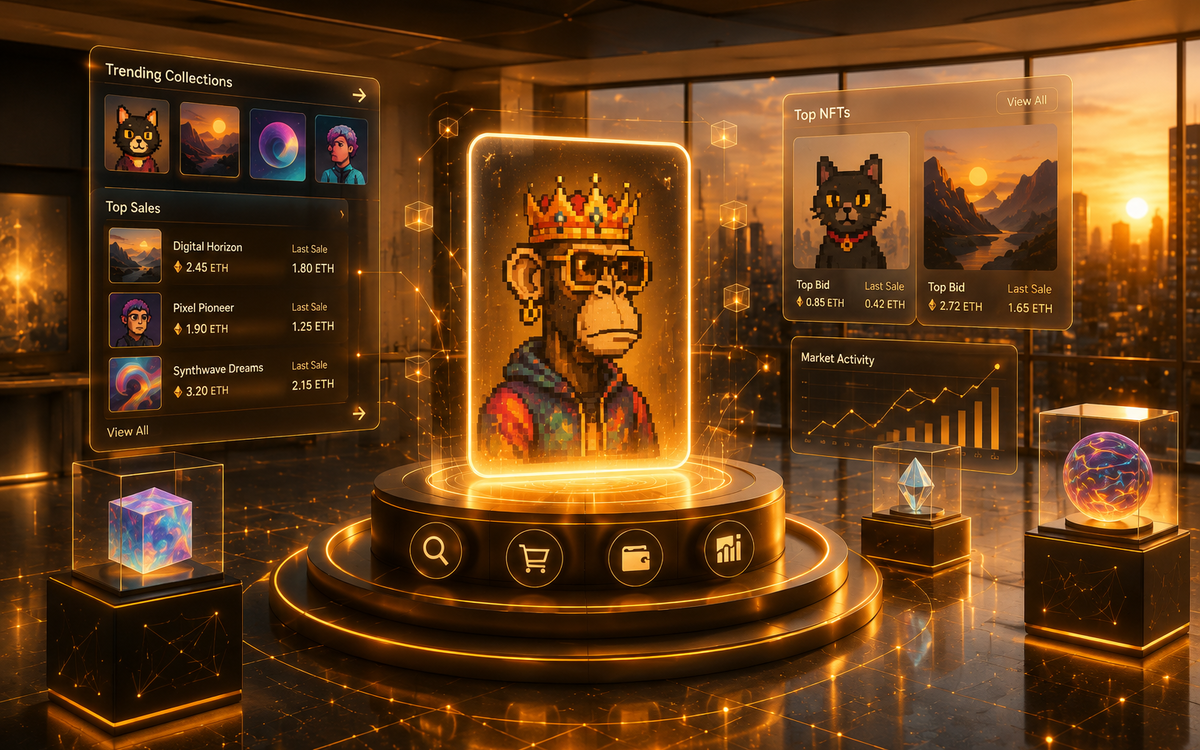
- Pixel art collections that combine randomized traits to create characters with different appearances, outfits, and accessories.
- Abstract generative systems that use mathematical rules and patterns to produce evolving shapes, colors, and compositions.
- 3D generative models that rely on procedural design to build detailed objects or environments with depth and structure.
- Interactive NFTs that respond to user actions or external data, allowing the artwork to change over time or under certain conditions.
Although each format looks different in execution, they all follow the same core idea: using algorithm-driven systems to create unique digital artworks at scale.
How Rarity Is Determined
Rarity is a key factor that affects the value of NFTs in generative collections. In most cases, rarity is planned from the start and built directly into the algorithm.
This is usually done through trait probabilities, such as:
- Common traits appear more often across the collection.
- Rare traits show up less frequently and in fewer combinations.
- Ultra-rare NFTs combine several rare traits, making them much harder to find.
Because these rules are set in the smart contract before minting, the process is transparent. Anyone can check how traits are distributed, which helps make the system fair and easy to understand.
Tools Used in Generative NFT Creation
Creating Generative Art NFTs involves a mix of creative and technical tools that work together to build, structure, and launch the final collection. Each tool plays a specific role in turning ideas into fully functional NFT systems.
Common tools include:
- Coding libraries for generative design, used to build the logic that creates variations in artwork.
- Digital art software for asset creation, where artists design individual elements like traits, characters, or backgrounds.
- Smart contract platforms for minting, which handle the deployment of NFTs on the blockchain and manage ownership rules.
- Metadata generators for trait structuring, used to organize and link traits, rarity data, and visual components for each NFT.
Together, these tools form a complete workflow that connects design, code, and blockchain technology, allowing the entire creation process to run more efficiently and at scale.
Advantages and Limitations
Generative Art NFTs bring together creativity, code, and blockchain, creating new opportunities but also introducing a few technical and market-related challenges.
Advantages
- Scalable creation of unique artworks, allowing thousands of distinct pieces from a single system.
- Transparent ownership and provenance, with all records stored and verifiable on the blockchain.
- Strong collector interest driven by structured rarity systems that add value and exclusivity.
- Automation reduces manual effort, making large collections easier and faster to produce.
Limitations
- Requires technical knowledge in coding, algorithms, and smart contract development.
- Quality and appeal depend heavily on how well the algorithm is designed.
- Transaction or gas fees can become expensive on certain blockchains, especially during high network activity.
- Market saturation, with many similar NFT projects competing for attention and collector demand.
Final Thoughts
Generative Art NFTs show a different way of thinking about digital art, where the focus is not just on the final image but also on the system that creates it. Artists set the rules, and the artwork comes to life through code, making each piece part of a larger, structured process. In 2026, this approach continues to grow as more creators and collectors explore how these systems work and what they can produce. It is still evolving, but it clearly shows how art and technology can work together in a more flexible and creative way.
You Might Also Like: